Decaf Coffee and Kids — It’s Gotten Complicated With All the Parenting Anxiety Flying Around
Can kids drink decaf coffee? Short answer: yes. Small amounts aren’t meaningfully dangerous for most children over 5. I’m leading with that because I’m tired of articles that bury the actual answer under three paragraphs of hedging designed to make you feel like a negligent parent for even asking.
Here’s the one fact that changes everything: decaf is not zero-caffeine coffee. That’s it. That’s the whole conversation.
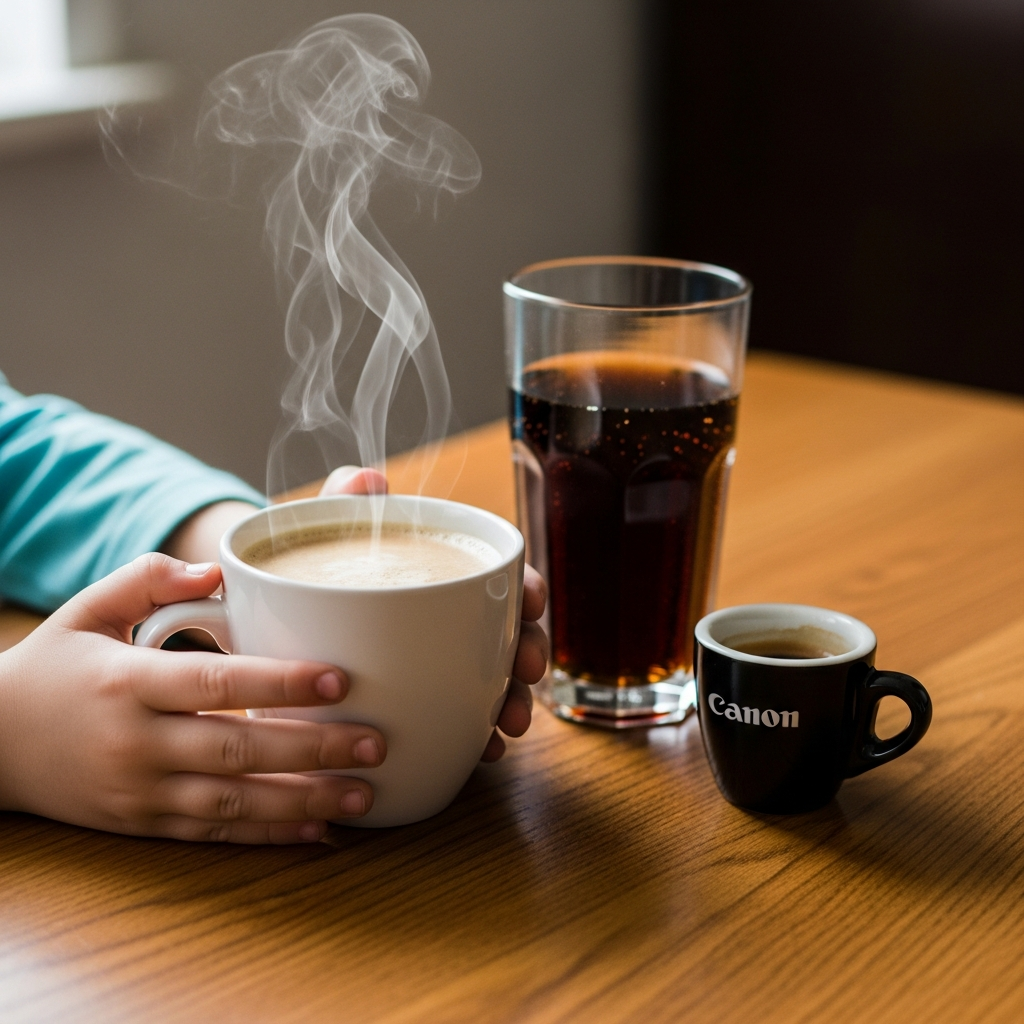
A standard 8-ounce cup of brewed decaf contains somewhere between 2 and 15 milligrams of caffeine — depending on the brand, roast, and how it was brewed. A 12-ounce can of Coke has about 34 milligrams. Chocolate milk clocks in around 6 milligrams per glass. Your kid has almost certainly consumed more caffeine from a brownie than they’d get from a sip of your decaf latte, and you didn’t lose a moment of sleep over that. So. Let’s put the fear in perspective.
The anxiety around decaf and children is mostly recycled worry about caffeine in general. Once you see the actual numbers, the whole thing deflates. A sip of decaf isn’t a poison delivery system. It’s just weak coffee.
How Much Caffeine Is Actually in Decaf
Not all decaf is created equal — and this is where it actually matters to pay attention.
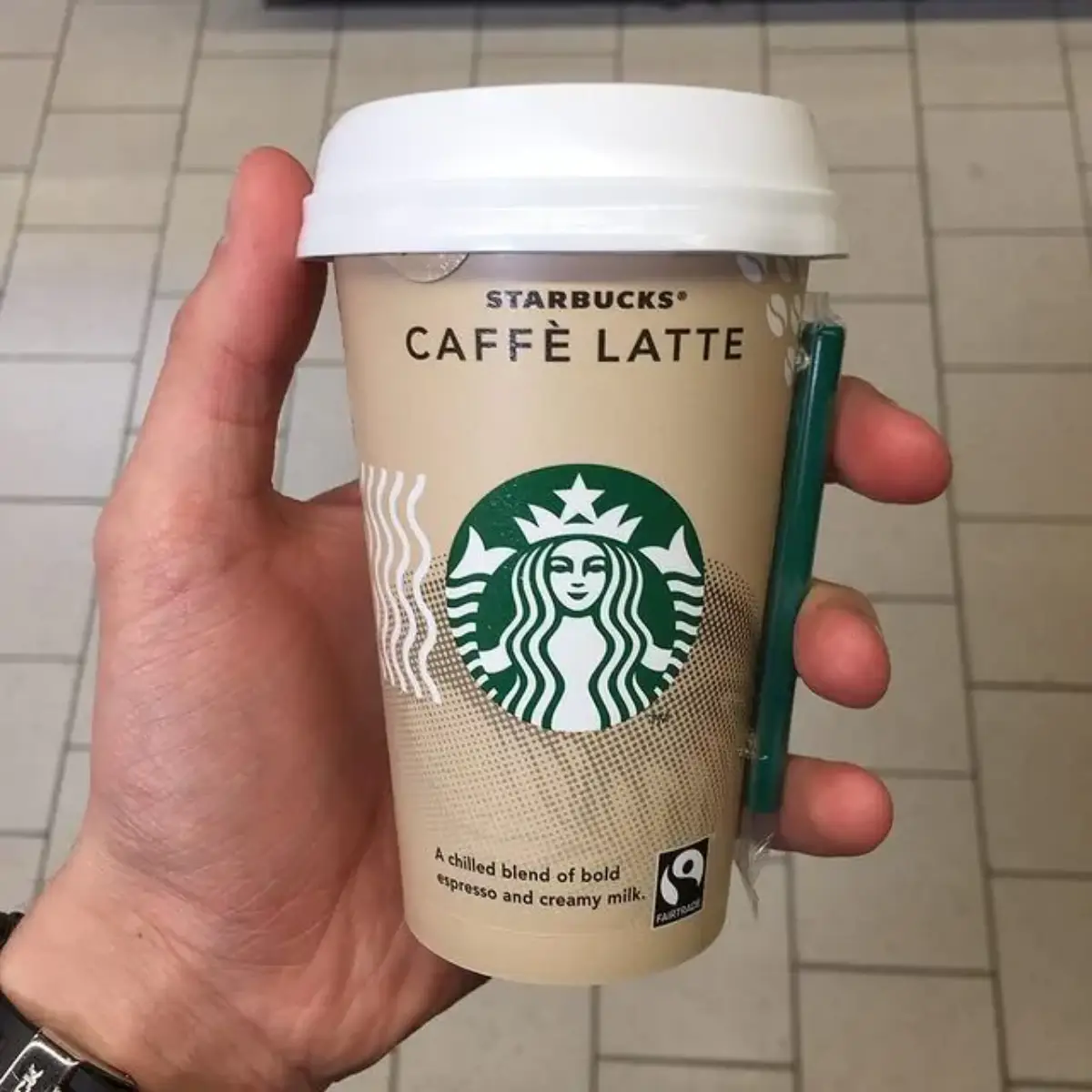
Starbucks brewed decaf runs about 15 milligrams per 8 ounces. That’s the high end of the spectrum, mostly because dark roasting and higher brewing temperatures extract more residual caffeine from the bean. Their decaf espresso shots land between 10 and 15 milligrams each. Cold brew decaf, also around 12 to 15 milligrams per 8 ounces. These are real numbers, not approximations I made up.
Specialty roasters using the Swiss Water Process — a solvent-free method that removes caffeine through repeated water soaking — usually land under 5 milligrams per 8 ounces. The process preserves flavor without chemical solvents, and it tends to strip out more caffeine. If you’re buying decaf from a local roaster or a Whole Foods-type shop, you’re probably looking at the lower end of that 2-to-15 range.
Probably should have opened with this section, honestly. Most parents don’t realize “decaf” is a spectrum, not a fixed thing. Knowing whether your coffee is a 3-milligram cup or a 15-milligram cup actually matters when you’re deciding whether to hand it to a small human.
The other common method is solvent-based decaffeination — methylene chloride, usually. Cheaper, slightly more caffeine residue, but still minimal. Both methods are food-safe. Neither produces caffeine-free coffee. Just decaf.
What the AAP Actually Says — and What They’re Really Targeting
The American Academy of Pediatrics recommends zero caffeine for children under 12 and caps adolescent intake at under 100 milligrams per day for kids 12 and older. That’s the official guidance. I’m not going to pretend it doesn’t exist.
But what is that guidance actually aimed at? In essence, it’s about habitual consumption of soda, energy drinks, and sugar-laden caffeinated beverages marketed directly at children. It’s much more than a blanket warning about decaf sips, though — the AAP is worried about kids building daily caffeine dependencies through products specifically engineered to hook them. A 20-ounce Gatorade Energy. A daily Mountain Dew habit. That’s the problem they’re solving for.
An occasional taste of decaf? That’s not what the policy is designed to address. There’s a meaningful difference between habitual intake and incidental exposure. A 7-year-old who tries dad’s decaf cappuccino once a month isn’t violating any pediatric principle. A 7-year-old drinking decaf every morning is a different conversation — not because of acute caffeine danger, but because you’re normalizing a daily ritual before adolescence even starts.
The AAP writes policy for population health. Your job is to make a reasonable call for one specific child. Those are different tasks.
The Real Concerns — And They’re Not What You Think
Caffeine in decaf is manageable. That’s established. But there are a few things genuinely worth thinking about.
Acidity is probably the more immediate issue. Coffee — including decaf — is acidic. It can irritate a child’s stomach, especially on an empty one. If your kid takes a sip and immediately looks uncomfortable, that’s not a caffeine reaction. That’s a pH problem. Kids’ digestive systems are still developing, and coffee isn’t particularly friendly terrain for them from a stomach-lining perspective. A small taste is one thing. Regular consumption changes the math.
Timing around sleep matters more than the caffeine content suggests. Even 10 to 15 milligrams can affect a lighter sleeper — or a child with higher sensitivity — more than it would affect an adult. Not dramatically. But why introduce an unnecessary variable at 7 p.m.? Morning or early afternoon if you’re going to let them try it. Don’t make my mistake of letting my daughter have a sip of decaf with dinner and then spending an hour explaining why she couldn’t fall asleep. Was it definitely the coffee? Probably not. Did I need to find out? Definitely not.
Habit formation is real — but it’s behavioral, not physiological. Introducing coffee as a normalized daily drink early in childhood creates patterns that outlast the cup. Kids who grow up with coffee as part of their daily routine may develop different relationships with it — and with caffeinated beverages generally — than kids who encounter it later. That’s not a safety issue. It’s a values question. Worth thinking about separately from the caffeine math.
So Should You Let Your Kid Try It — Here’s Where I Actually Land
If your 7-year-old wants a small taste of your decaf latte, that is not a medical emergency. You can say yes without guilt and without calling your pediatrician first.
If your 4-year-old is demanding daily cups, that’s a different conversation. Age, amount, frequency, and timing — those four things are your framework:
- Age: Five and up is a reasonable lower bound. Under 5, the digestive and nervous systems aren’t there yet. It’s just not necessary.
- Amount: A few sips is a taste. A full 8-ounce serving is a commitment. Treat it like the former, not the latter.
- Frequency: Occasional is fine. Daily is the moment curiosity becomes habit — and those are two very different things.
- Timing: Morning or early afternoon. Not after 2 p.m. Sleep matters more than decaf convenience, full stop.
You have the real numbers now. The residual caffeine is minimal. The AAP’s concerns are aimed at habitual sugar-and-caffeine consumption, not a single taste of decaf. The actual worries — acidity, sleep timing — are both manageable with basic judgment and a clock. You don’t need to escalate this to a pediatric appointment. Though if your kid has specific health concerns, absolutely run it by yours — that’s what they’re there for. Most of the time, though? You’re equipped to make this call yourself. Trust that.