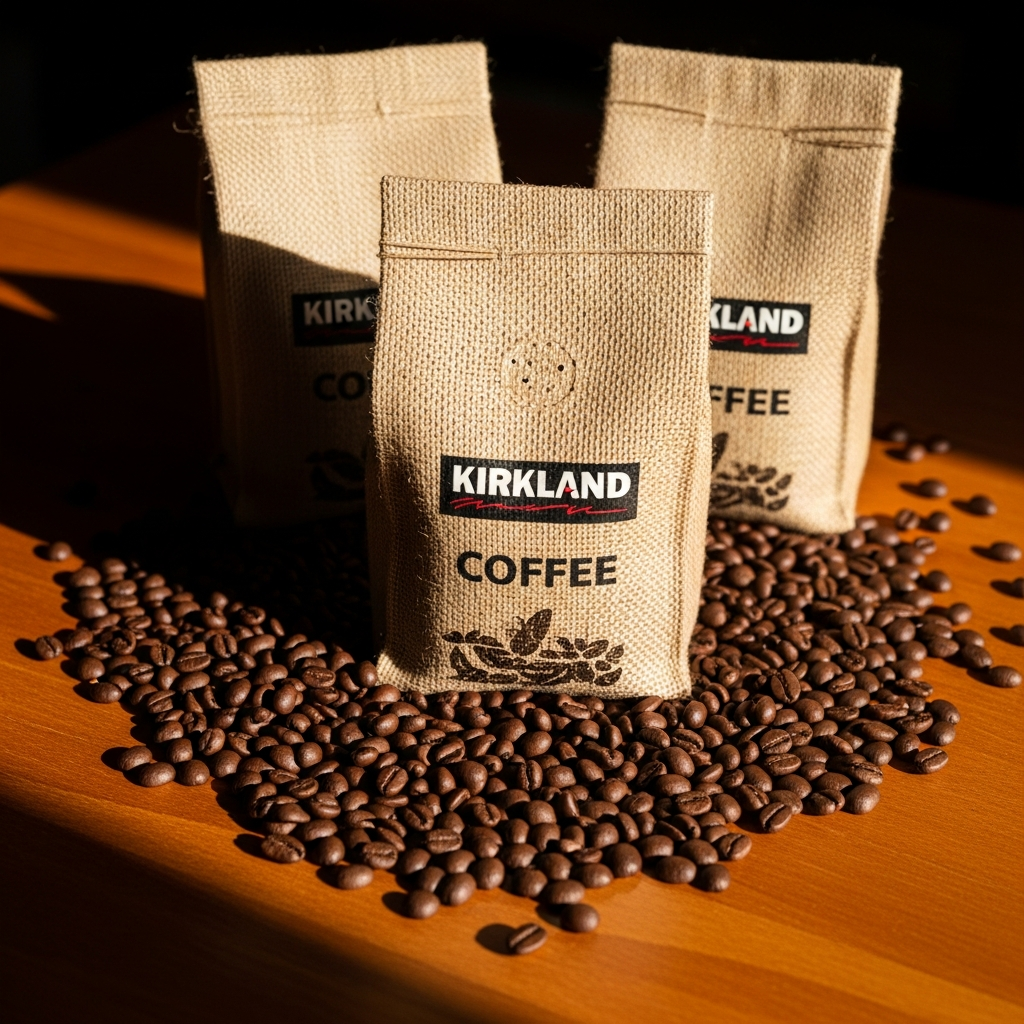
Which Kirkland Roast Actually Wins
Kirkland coffee has gotten complicated with all the rotating blends flying around. As someone who’s been buying these beans from Costco for three years and testing every single blend they cycle through, I learned everything there is to know about what actually works. Today, I’ll share it all with you.
The verdict: Kirkland Medium Roast is the one to grab. Not because it’s the fanciest or most adventurous — it’s not. But because it solves what most people actually need: coffee that tastes noticeably better than what they’ve been drinking, costs less than half the price of specialty roasters, and doesn’t require a chemistry degree to brew well.
At $8.99 per pound (confirmed three days ago at a California Costco), a bag sits on the shelf next to local roasters charging $14–$18. The first sip tells the whole story. There’s subtle sweetness — think caramel, not sugar — backed by balanced acidity that doesn’t torch your stomach. The finish is clean. No bitterness lurking in the background. No thin, watered-down mouthfeel either. Just solid, drinkable coffee that makes sense for weekday mornings and doesn’t punish your wallet.
Probably should have opened with this, honestly: Kirkland prints the roast date directly on the bag. Not some mysterious “best by” label — actual roast date. This matters more than most people realize. A bag roasted three weeks ago tastes noticeably flatter than one roasted five days ago. Costco’s supply chain moves fast enough that you’re usually grabbing something roasted within 7–10 days of purchase.
Kirkland Organic — Best If You’re Paying Attention to Labels
This one’s the outlier. Priced at $10.99 per pound, it costs roughly $2 more than the Medium Roast — which sounds like nothing until you’re buying five pounds at a time. The beans come from certified organic farms, which matters if you’re deliberately avoiding synthetic pesticides or prefer knowing exactly where your coffee originates.
The roast profile sits between light and medium — that ambiguous middle ground coffee people call “filter roast.” What that means in practice: the beans reveal more of their origin character. Brighter acidity. More complex flavor notes. Less of that universal “coffee” taste, more “coffee from this specific place.” The downside? That complexity only materializes if you brew it correctly.
French press crushes this blend. The immersion brewing method lets natural oils and subtle flavors develop without a paper filter stripping them away. In a standard drip machine? It underperforms relative to the Medium Roast. The acidity becomes sharp rather than bright. The balance disappears. Aeropress sits somewhere in the middle — decent, but not ideal.
Storage reality: organic coffee has higher natural oil content because there are no synthetic preservatives protecting the beans during roasting. An opened bag of Kirkland Organic goes stale faster than the Medium Roast. After two weeks in a regular cabinet, the aroma fades noticeably. Store it in an airtight container or the freezer if you’re not grinding through it quickly.
Who actually buys this? People who read labels. People spending $50 on a Costco trip and willing to pay the organic premium. People who own a French press and understand the difference between brewing methods. If you’re buying pre-ground coffee and using a Mr. Coffee machine, skip this and grab the Medium Roast instead.
Kirkland Medium Roast — The Default Winner
This is where Costco’s coffee strategy actually pays off. Medium Roast is the version they’ve optimized for the widest possible audience, and it shows. The roast level hits a sweet spot between origin flavor and roast character. Caramel and nougat notes from the roasting process itself, balanced by enough origin acidity to keep the cup from tasting flat.
$8.99 per pound. That’s the 2024 price I confirmed three days ago. A two-pound bag runs $17.98 before tax. Stack that against Starbucks whole beans at $12–$13 per pound for their standard house blends, local specialty roasters at $15–$18 per pound, or the mediocre pre-ground stuff at Safeway — $5–$6 per pound that tastes like burnt paper.
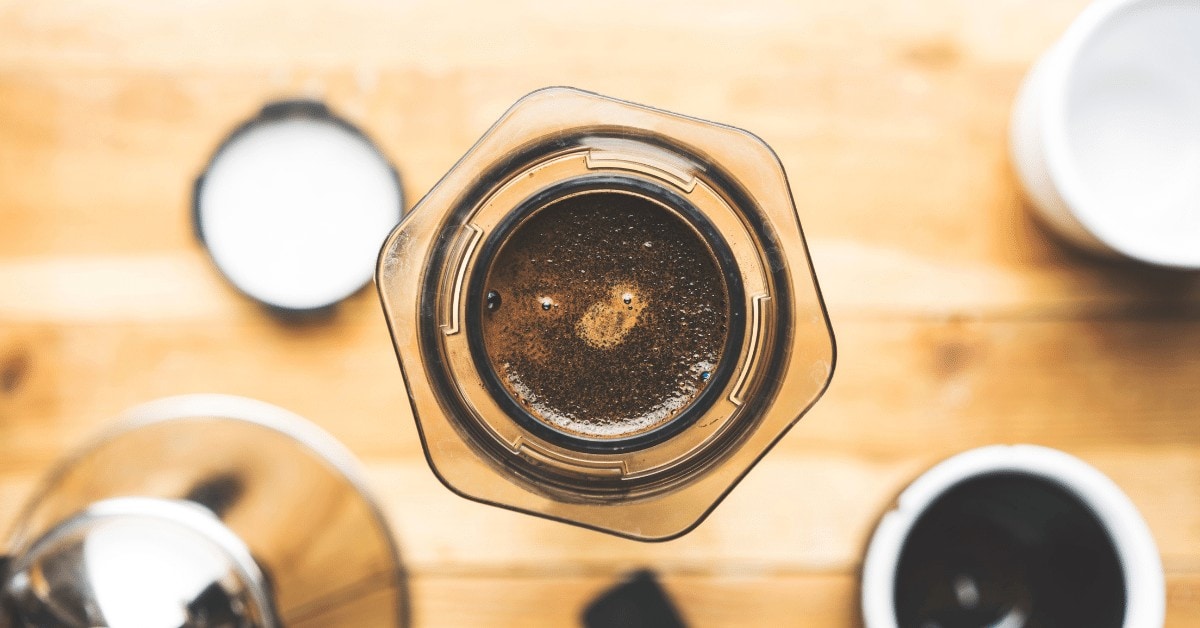
I tested this in four different brewing methods because that’s the actual utility test. Drip machine: excellent. The sweetness comes through without astringency. Pour-over: even better — more control over water temperature and saturation, which highlights the balanced acidity. Aeropress: outstanding. The 30-second immersion extracts evenly without over-extracting bitterness. French press: good, but slightly heavier than ideal since the medium roast doesn’t have the oil content that French press lovers prefer. Espresso machine: acceptable but not special — it’s not optimized for espresso extraction.
The conversion story I hear from friends constantly: “I’ve been buying Starbucks whole beans for $12 a pound because I thought that was just coffee’s baseline price. This tastes smoother, costs less, and I don’t feel guilty buying it twice a week.” That’s the actual positioning. It’s not claiming to be specialty coffee. It’s claiming to be better than what you were already buying, cheaper.
Freshness window: once you open the bag, you’ve got about three to four weeks before it loses brightness. The exact timeline depends on storage — airtight container in a cool, dark place beats leaving the bag open on your counter. After four weeks, it’s not stale enough to waste, but it’s definitely flatter. This is why buying one pound instead of three actually makes sense unless you’re a household of heavy coffee drinkers.
Kirkland Dark Roast & Espresso — For Bold Coffee Drinkers
Dark Roast sacrifices origin complexity for body and low acidity. The beans are roasted longer, caramelizing more sugars and developing heavier mouthfeel. The finish is smoky, slightly peppery. If you’re sensitive to acid — if coffee usually gives you heartburn — the Dark Roast is worth testing. The lower acidity might change everything for you.
Priced at $9.99 per pound, it’s only $1 more than the Medium, which means the price-per-cup difference is negligible. Roughly $0.62 per cup instead of $0.56 per cup — not a commitment. The real question is whether you prefer bold or balanced.
The Espresso blend deserves separate attention because people often assume it’s just another dark roast repackaged. It’s not. Kirkland specifically blends beans for espresso extraction — faster water contact, higher pressure, shorter saturation time. You’re looking for crema production (that golden foam layer), shot consistency (should taste roughly the same shot to shot), and milk compatibility (does it disappear in a latte or punch through as distinct flavor).
This blend produces decent crema. Not exceptional, but present. Shot consistency is solid if you’re using a decent grinder and tamping with intention. Milk-friendly is an understatement — the espresso works in milk drinks. If you own an espresso machine and don’t want to buy $18 per pound specialty shots that lose freshness sitting in your grinder, the Kirkland Espresso blend makes sense. It won’t beat a small-batch single-origin from a specialty roaster, but it won’t embarrass you either.
Who should skip the Dark Roast: people who prefer lighter, brighter coffee. People who want to taste origin character in their cup. People who seek higher acidity deliberately — yes, some people do. The Dark Roast isn’t better. It’s just different, and the difference is meaningful.
Cost-Per-Cup Math vs Specialty Coffee
The economics get interesting here. Kirkland Medium Roast at $8.99 per pound yields approximately 16 cups of coffee per pound — assuming standard 0.36-ounce dose per six-ounce cup. That breaks down to $0.56 per cup before water and electricity.
A local roaster at $15 per pound: $0.94 per cup. Starbucks whole beans at $12 per pound: $0.75 per cup. Grocery store commodity coffee at $6 per pound: $0.38 per cup, except it tastes like paper, so the value disappears. Espresso math is different — espresso doses run heavier at 18–20 grams per shot, roughly double the coffee weight of a six-ounce drip cup. Kirkland Espresso at $9.99 per pound yields about eight espresso shots, pushing cost-per-shot to $1.25. Still half the price of buying prepared espresso anywhere.
Brewing method efficiency matters too. French press and Aeropress extract more flavor per gram, so you can dose lighter. Drip machines are less efficient — they need slightly more coffee to hit the same flavor intensity. Grinding and brewing daily at home compounds this efficiency: the difference between French press and drip brewing might save $20–$30 annually in coffee costs.
Kirkland raised prices in 2024, yes. The Medium Roast was $7.99 per pound in late 2023. The Organic was $9.99 in early 2024, now $10.99. The Dark Roast moved from $8.99 to $9.99. These aren’t dramatic jumps, but they’re noticeable if you’re a regular buyer. The Espresso blend held steady at $9.99 — possibly because it’s newer to the rotation.
Here’s the honest reality: Kirkland Medium Roast won’t beat a $20 per pound specialty single-origin from a third-wave roaster for flavor complexity or origin expression. It won’t. But on the value-to-taste ratio, it beats nearly everything in the market. For people who brew coffee five days a week and want something tasting clearly better than supermarket commodity coffee without spending $15 per pound, Kirkland Medium Roast is the answer. It’s been my answer for three years, and the price-per-cup math is why I keep coming back.