Espresso served without milk or sweetener is technically black coffee, but it is not the same drink people usually mean by “a black coffee.” In ordinary conversation, black coffee means filter or immersion-brewed coffee served plain. Espresso is a concentrated brewing method that pushes hot water through finely ground coffee under pressure.
Espresso is stronger per ounce, with heavier body and more concentrated flavor. A normal mug of brewed black coffee is larger and usually contains more total caffeine than one espresso shot. Neither drink automatically uses a particular bean or roast, and both contain very few calories when served without additions.
Black Coffee vs Espresso: Quick Comparison
| Characteristic | Black brewed coffee | Espresso |
|---|---|---|
| Typical meaning | Filter or immersion coffee with nothing added | Concentrated pressure-brewed coffee |
| Typical serving | 8–16 fl oz | About 1 oz per shot |
| Coffee-to-water ratio | Often around 1:15 to 1:18 | Often around 1:2 to 1:3 by mass |
| Grind | Medium to coarse, depending on method | Fine |
| Brew time | Several minutes for common methods | Measured in seconds |
| Body | Cleaner with paper filtration; fuller with immersion | Concentrated, syrupy, with crema when fresh |
| Caffeine | Less per ounce, often more per normal serving | More per ounce, often less in one shot |
What Counts as Black Coffee?
Black coffee is a serving description, not one brewing method. It means coffee without milk, creamer, sugar, syrup or other additions. A plain drip coffee, pour-over, French press, AeroPress coffee, Americano or espresso can therefore all be black.
When someone contrasts “black coffee” with espresso, they normally mean a standard mug of brewed coffee. This guide uses that practical meaning while acknowledging that a plain espresso shot is also black coffee.
What Makes Espresso Different?
Espresso is made by pushing hot water under pressure through a compact bed of finely ground coffee. A typical modern recipe may use a 1:2 ratio—for example, 18 grams of dry coffee producing about 36 grams of espresso—although cafés adjust dose, yield and time for the beans and equipment.
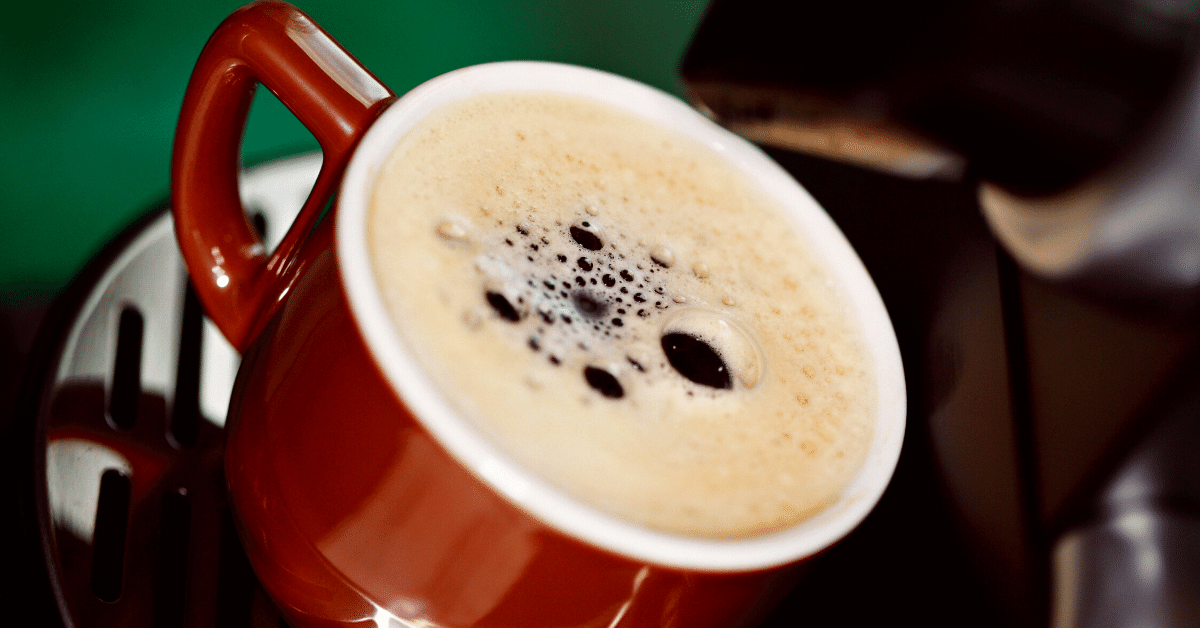
The short, concentrated extraction produces a small drink with dissolved flavor compounds, suspended particles and emulsified oils. Fresh espresso normally has crema, the foam-like layer created from gases and compounds released during brewing. Crema is part of the texture but is not proof that the shot tastes good.
Brewing Method
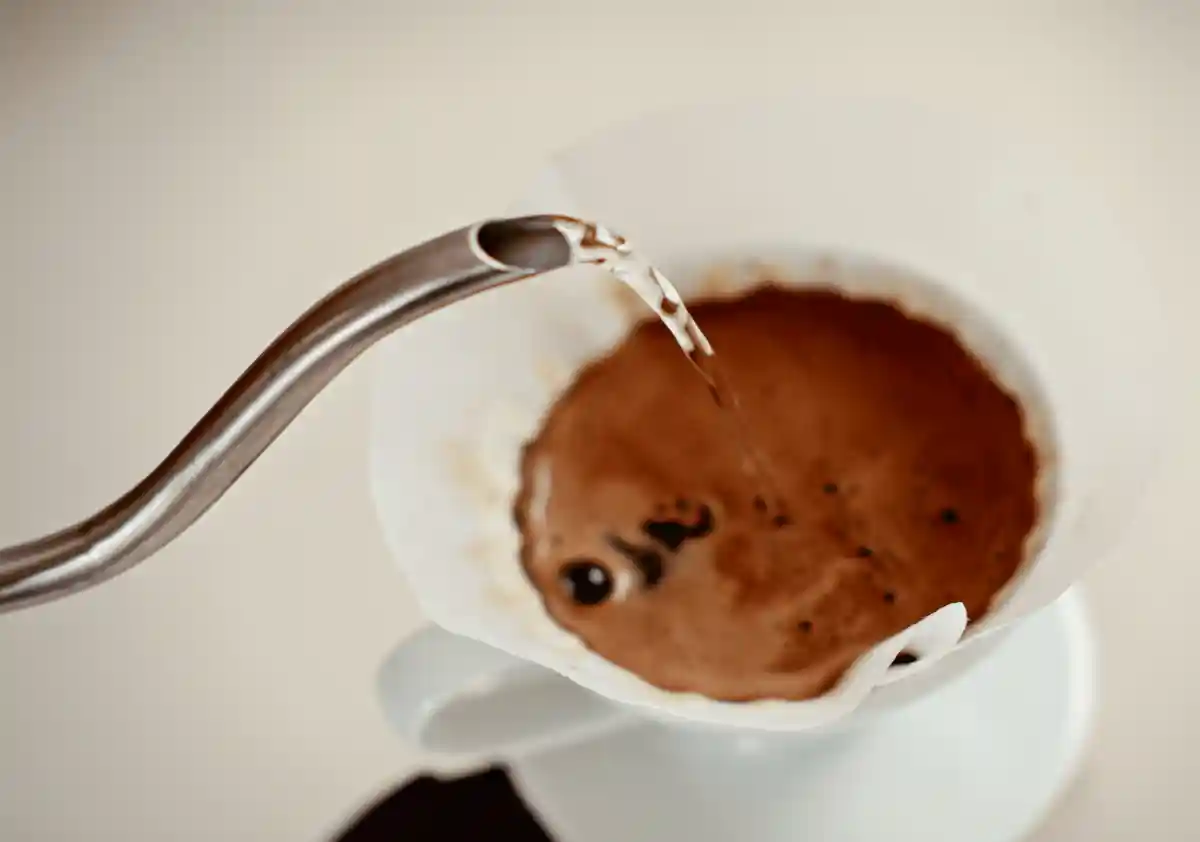
Common brewed coffee uses gravity, immersion or both:
- Automatic drip and pour-over: water passes through grounds and usually a paper or metal filter.
- French press: grounds steep in water before a metal screen separates them.
- Espresso: pressure moves a small amount of water through a fine, compact coffee bed.
A moka pot and AeroPress can make concentrated coffee, but neither duplicates a pump espresso machine’s pressure and extraction. They are useful alternatives, not identical brewing systems.
Caffeine: Per Ounce vs Per Serving
Espresso generally has more caffeine per ounce because it is concentrated. Brewed coffee often wins per serving because the cup contains far more liquid and uses more total coffee.
Starbucks’ current coffee-science guide gives a useful example: one espresso shot contains about 75 milligrams of caffeine, while a tall 12-ounce brewed coffee can contain around 260 milligrams. Those are Starbucks examples, not universal constants. Bean variety, dose, roast density, extraction and serving size all change the result.
Use the drink recipe, not flavor intensity, to estimate caffeine. A bitter espresso does not necessarily contain more caffeine than a smooth brewed coffee. An Americano’s total depends on its number of shots.
See Starbucks’ current per-ounce versus per-cup explanation.
Taste and Body
Espresso concentrates sweetness, acidity and bitterness into a small serving. Its high concentration and suspended material create a heavier, more intense mouthfeel. Brewed coffee dilutes those compounds across more water, making individual notes easier to separate.
Filter choice matters:
- A paper filter removes more fine particles and oils, producing a cleaner cup.
- A metal filter allows more oils and sediment through, producing fuller body.
- Espresso has no paper filtration and retains substantial texture.
Roast and extraction matter more than the drink name alone. A lightly roasted espresso can taste brighter than a dark drip coffee, and an under-extracted cup can taste sour regardless of method.
Is Espresso More Bitter or Acidic?
Not inherently. Espresso tastes intense because it is concentrated, but bitterness depends on roast, bean, water, temperature, grind, ratio and extraction. Dark roasts and over-extracted shots often taste more bitter. Under-extracted coffee often tastes sharply sour.
“Acidity” can mean measured pH, perceived brightness or stomach response—three different ideas. Do not assume a drink that tastes bright necessarily has a lower pH or will affect every person the same way.
Calories and Additions
Plain brewed coffee and plain espresso both contain very few calories. The meaningful calorie difference usually comes from serving additions: sugar, sweetened syrup, cream, milk, whipped cream and sauces.
An espresso-based latte is not low-calorie merely because espresso starts small, and a large black drip coffee remains nearly calorie-free when nothing is added. Compare the finished recipes.
Which Is Better for Caffeine Control?
Espresso makes counting shots straightforward, but caffeine per shot still varies. Brewed coffee makes volume easy to see but café cup sizes can contain much more caffeine than expected.
The FDA cites 400 milligrams per day as an amount not generally associated with negative effects for most adults, while emphasizing wide differences in sensitivity and medical circumstances. Pregnancy, medications and health conditions may require individual guidance.
Review the FDA’s current caffeine guidance and talk with a healthcare professional when personal limits are uncertain.
Which Should You Choose?
- Choose brewed black coffee for a longer drink, slower sipping and clearer flavor separation.
- Choose espresso for a short, concentrated drink with heavier body.
- Choose an Americano for espresso flavor diluted to a longer cup.
- Choose decaf when reducing caffeine is more important than the brewing method.
- Choose paper-filtered coffee when you want the cleanest cup with the least sediment.
Black Coffee vs Espresso FAQ
Is espresso black coffee?
Yes, when served without milk or sweetener. In everyday menu language, however, “black coffee” usually means a mug of brewed coffee, while espresso is ordered by the shot.
Does espresso have more caffeine than black coffee?
Espresso has more caffeine per ounce. A normal mug of brewed coffee often has more total caffeine than one shot because its serving is much larger.
Can you use regular coffee beans for espresso?
Yes. Espresso is a brewing method, not a bean species. Some roasts are marketed for espresso because their flavor works well under concentration, but any suitable coffee can be dialed in.
Is an Americano the same as black coffee?
Both are black when served plain, but an Americano is espresso diluted with water. Drip coffee extracts grounds through gravity and filtration, producing a different body and flavor.
Which one is healthier?
Neither method is universally healthier for every person. Portion, caffeine, additives, filtration and individual medical needs matter. Plain versions both avoid the sugar and calories in many additions.
Bottom Line
Plain espresso is black coffee, but it differs from the brewed black coffee most people picture. Espresso is concentrated, pressure-brewed and stronger per ounce; brewed coffee is diluted across a larger cup and usually provides more caffeine per ordinary serving. Choose based on serving size, texture and flavor—not the mistaken belief that one method is always stronger or healthier.