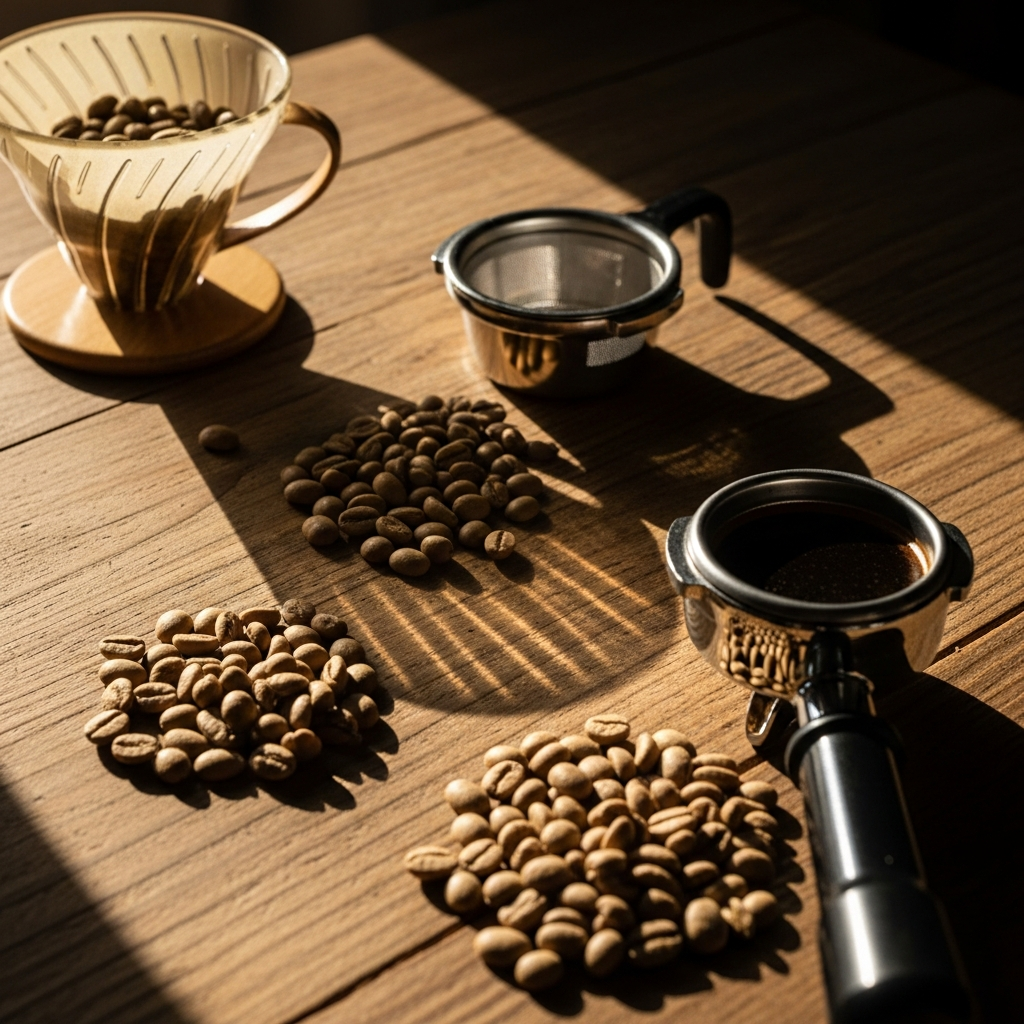
Finding the top rated light roast coffee has gotten complicated with all the bad advice flying around. Not because good light roasts are rare — they’re everywhere, honestly — but because most roundups treat light roast like it’s a single category. It isn’t. A light roast that sings in a Chemex tastes thin and borderline undrinkable in a Mr. Coffee drip machine. Knowing that difference is the entire game.
As someone who spent two years ordering from forty-three different roasters, I learned everything there is to know about light roast coffee. I brewed each one four different ways and tracked roast dates the way a sommelier tracks harvest years. What I found: most “best of” lists are generic affiliate dumps with zero brew-method logic. Today, I will share it all with you.
The Light Roast Most People Should Start With
Buy Onyx Coffee Lab’s Spectrum Blend first. $16 for a 12-ounce bag. That’s $1.33 per ounce. So, without further ado, let’s dive in.
Onyx roasts this blend to the earliest point where beans still taste like themselves — no scorching, no burnt-sugar mask. You get bright acidity without the sourness that scares people away from light roast. Beans sourced from Central America and East Africa. That means fruit and citrus notes, not just generic “coffee flavor.” There’s a difference, and you’ll taste it immediately.
Most importantly for a first-timer: Onyx prints the roast date directly on the front of the bag in massive type. Not hidden on the bottom. Not a batch number you have to decode online. The actual date. They roast twice a week, and their bags rarely ship older than four days post-roast. Freshness matters more with light roast than dark — the chemistry is different, the volatile compounds escape faster — and this brand genuinely gets it.
Brew it however you want. Pour over, drip machine, even a basic French press. It won’t excel in all three, but it won’t fail in any of them. That’s the goal for a first buy.
Best Light Roast for Pour Over and Drip
The Specialty Pick — Passenger Coffee Rwanda Huye Mountain
Single-origin. Medium-elevation, washed processing. Tasting notes on their site claim “blueberry and jasmine.” What actually comes through: wild berry, clean finish, a hint of chamomile if you’re paying close attention. $18 for 10 ounces. That’s $1.80 per ounce.
But what is pour over, really? In essence, it’s slow, controlled hot water moving through grounds at your pace. But it’s much more than that — it’s the entire reason light roast exists as a category worth caring about. Slower water contact extracts those delicate fruit notes without pulling the harsher compounds that make under-extracted coffee taste like watered-down apple cider. Passenger understood this when developing this roast. Beans are roasted to the point where first crack is finishing — surface is matte, not shiny. Roast date is printed. Ships within three days of roasting.
Fair warning: Passenger roasts light enough that this coffee will taste under-extracted using standard Mr. Coffee parameters. You need water temperature around 200°F and a slightly longer brew time than you’d normally use for medium roast. I’ll get into why below.
The Accessible Pick — Lavazza Super Crema (Light Side)
I know. Lavazza. The supermarket brand. Their lighter roast option exists, though, and it’s worth knowing about if you’re not ready to drop eighteen dollars on a ten-ounce bag. $8 for 10 ounces at most major grocery chains. That’s $0.80 per ounce.
The roast date is not printed on the bag. That’s a real mark against it — you have no way to know if it was roasted last week or two months ago. Lavazza roasts further from their distribution date specifically to extend shelf life. You’ll taste that decision. The brightness is still there, but muted. Flat compared to Passenger or Onyx.
I included it anyway. If you’re standing in the grocery store pasta aisle trying light roast for the first time, Lavazza won’t scare you off the category. It tastes like coffee, just lighter. No sourness. No weird fruit notes that catch you off guard. A safer stepping stone than jumping straight to a specialty pick.
Best Light Roast for Espresso
Why Light Roast Espresso Fails (And How to Avoid It)
Probably should have opened with this section, honestly. Would’ve saved me six months of blaming excellent coffee for my own machine miscalibration.
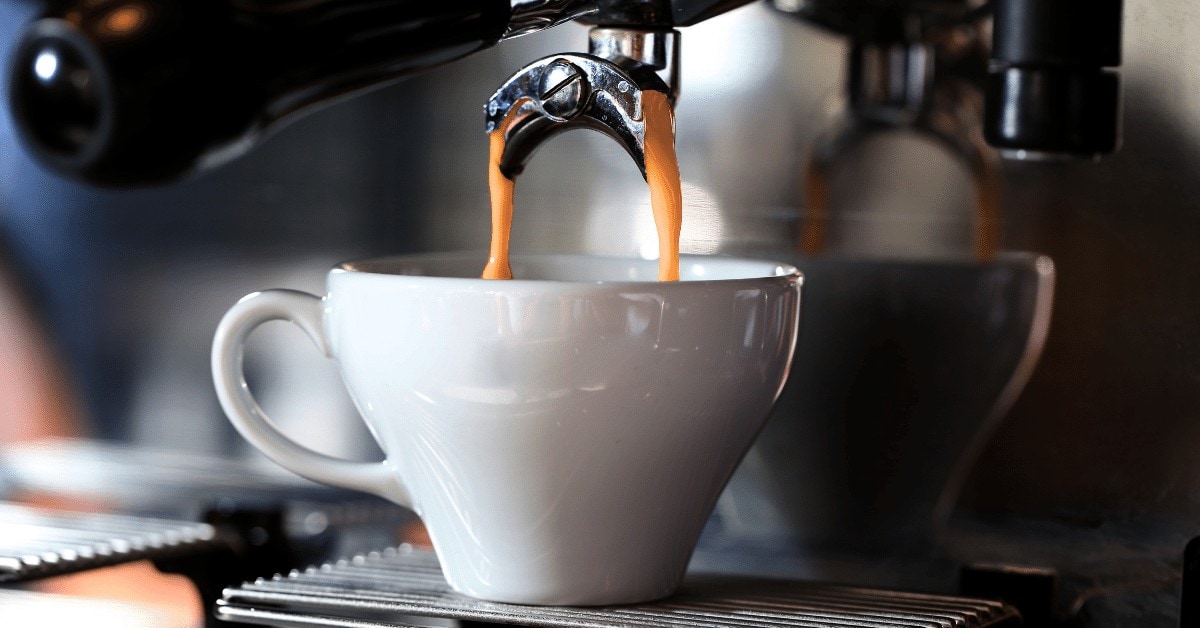
Light roast espresso is a trap nobody warns you about. The beans are less soluble than dark roasts — sugars and oils haven’t developed as fully. Water pushes through fast. Your shot pulls thin and sour in about twenty seconds instead of the 25-30 seconds you need for proper extraction. Don’t make my mistake.
Fix: use a finer grind than feels right. Higher water temperature — 202°F instead of 200°F. Tamp harder. Still getting sour shots? You’re under-extracting. The coffee isn’t bad. Your settings are wrong.
Most light roast bags don’t even label themselves “espresso roast.” They say “filter roast” or just “light roast.” I’m apparently a slow learner on this front, and six months of bad shots really drives that home.
Onyx Coffee Lab Espresso Blend
Same roaster as the Spectrum Blend above. This one is explicitly labeled as designed for espresso — roasted one shade darker than their filter beans specifically because espresso extraction is hotter and faster. $18 for 12 ounces. $1.50 per ounce.
Roast date printed on the bag. The bag literally says “ESPRESSO ROAST” on the front. You know exactly what you’re buying. That clarity is rare and worth paying for.
Counter Culture Hologram
Specialty roaster. $20 for 12 ounces — that’s $1.67 per ounce. Counter Culture doesn’t use the word “espresso roast” anywhere on the packaging. The bag says “Hologram” and lists origin (Ethiopia) and processing method (natural). You have to already know that Counter Culture’s lighter roasts are espresso-capable. They don’t hold your hand through it.
Use it for espresso, though, and it’s excellent. Bright cherry, chocolate, clean body. Roast date printed. Ships fast. That’s what makes Hologram endearing to us light roast espresso people — it rewards the ones who actually did their homework.
What Makes a Light Roast Actually Good
Use this checklist in the store or when browsing online. Takes thirty seconds.
- Roast date on the bag. Non-negotiable. If it’s not printed, you’re buying coffee that’s been sitting in a warehouse for weeks, maybe months. Light roast deteriorates faster than dark roast — exposed surface area is higher due to less oil coating. A roast date older than two weeks is stale. Older than a month, walk away. Any roaster hiding this information is signaling they don’t care about freshness. Simple as that.
- Single-origin versus blend. Single-origin light roasts taste brighter and more defined — you’re tasting terroir, altitude, processing method. Blends run smoother and more forgiving when one component extracts slightly unevenly. For a first light roast, a blend is safer. Once you’ve decided you like light roast, start branching into single-origins.
- Washed versus natural processing. Washed coffees — where the fruit is stripped from the bean before drying — taste cleaner and more acidic. Natural process, where the fruit dries on the bean, tastes fruitier and fuller. Light roast amplifies both processing styles. Want that bright, tea-like quality? Go washed. Want richer, jam-like sweetness? Go natural.
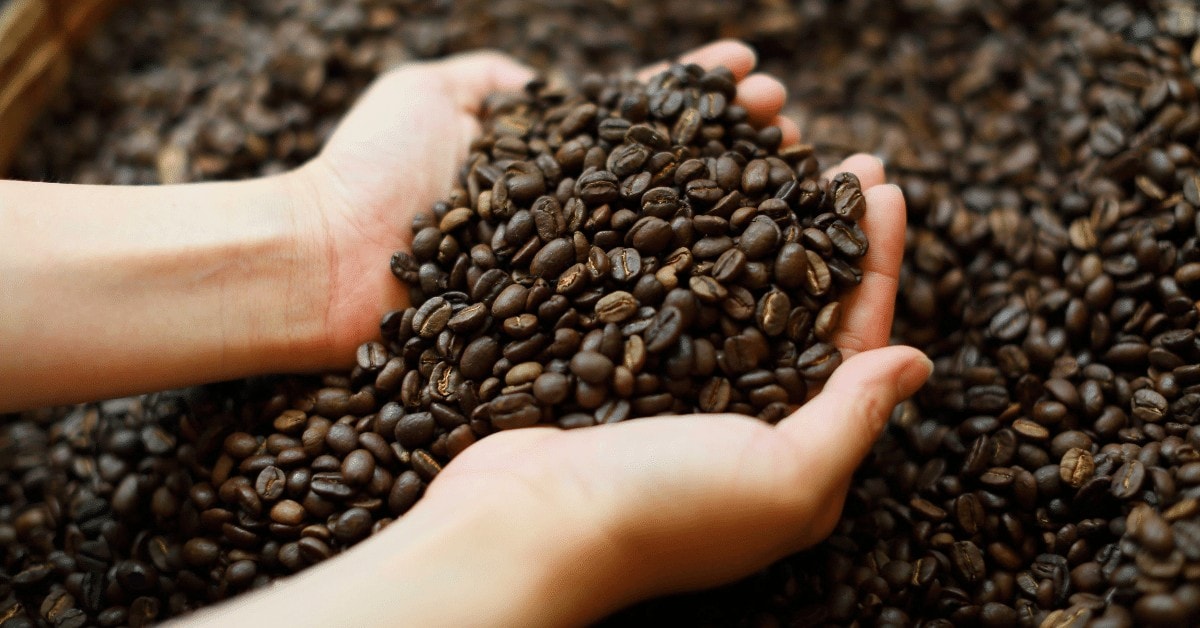
- Bean color and density. Hold the bag up to light. A true light roast has a matte finish and a brown color, not mahogany or near-black. Shiny beans are roasted darker than the label claims. This happens more than you’d think — some roasters call a full city roast “light” to seem trendy. Your eyes are the last line of defense here.
Light Roasts That Didn’t Make the Cut
Starbucks Blonde Roast
The name tricks people. “Blonde” sounds light. The roast is not. Starbucks roasts this to a full city+, which is a medium-dark roast wearing a light roast costume. You don’t get the brightness that makes light roast interesting — you get slightly-less-burnt Starbucks. $14.95 for 12 ounces, which works out to $1.25 per ounce. Medium-roast prices for an identity crisis. Roast date not printed, either. Skip it entirely.
Peet’s Major Dickason’s
Technically a full roast, not light roast — so it almost didn’t belong here. But Peet’s markets it as their “lighter option” and people buy it thinking they’re trying light roast for the first time. They’re not. It’s dark by any reasonable comparison. At $12.99 for 10 ounces — $1.30 per ounce — you’re paying for a name, not a light roast experience. Roast date not printed.
Counter Culture Grandiose
I like Counter Culture as a roaster. Grandiose is overrated, though. It’s their flagship light roast, treated like the gold standard across blog posts and Instagram feeds. Origin mix is Central America and East Africa — good sources. But the roast is inconsistent. Some bags taste bright and excellent. Others come roasted slightly darker and taste muddy. $20 a bag, 12 ounces, $1.67 per ounce. That inconsistency is genuinely frustrating at specialty prices. You’re rolling the dice every time.
Your Next Move
Buy Onyx Coffee Lab’s Spectrum Blend first. $16. Roast date printed on the front. Works in any brewer without completely falling apart. If you like it, move to a pour-over setup and grab the Passenger Rwanda Huye Mountain. If espresso is your thing, use Onyx’s espresso blend and adjust your grind finer than feels intuitive.
Avoid anything without a roast date printed on the bag. Avoid anything that looks too dark or shiny. Brew slightly hotter and slightly longer than your instincts tell you to.
Light roast isn’t better than dark roast. It’s just different — more sour-prone, more dependent on freshness, more demanding on brew technique. But when it clicks, when you nail the extraction and taste what the roaster actually intended, it’s bright and alive in a way dark roast never quite manages.
Start with Onyx. You’ll know within two cups whether light roast is your thing.