As an Amazon Associate, we earn from qualifying purchases.
Helpful ingredients and tools: For the closest Starbucks-style result, use Starbucks vanilla syrup and a whipped cream dispenser. A hand mixer still works if you do not want special equipment.
Quick answer: Starbucks-style whipped cream needs only cold heavy whipping cream and vanilla syrup. A chilled cream dispenser gives the closest airy texture, but a hand mixer also works. Keep every component cold and stop mixing as soon as firm peaks hold.
The complete recipe below covers both methods, safe storage, and common mistakes. If you need syrup, Starbucks publishes a simple vanilla syrup recipe using sugar, water, and vanilla.
What Makes Starbucks Whipped Cream So Special?
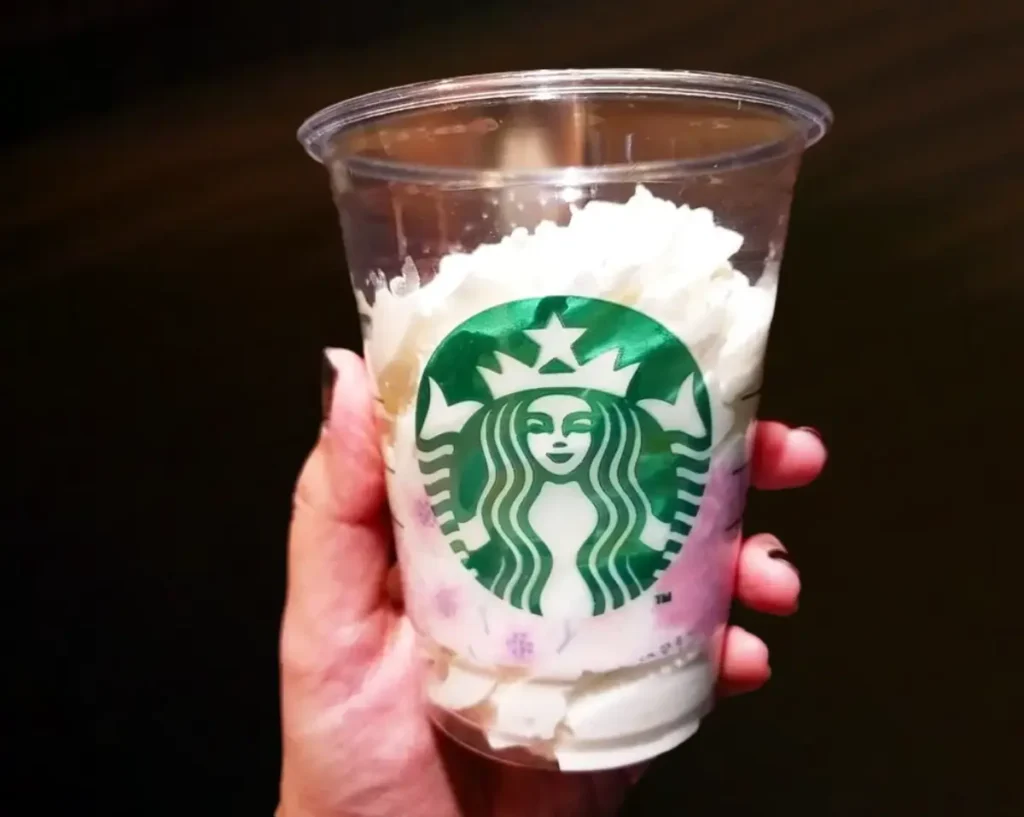
Okay, we can all agree that Starbucks has delicious beverages.
But whipped cream…
Starbucks whipped cream is like the most amazing red cherry on top of a marvelous cake.
Sometimes when I crave something sweet, I think about ordering a Venti cup full of Starbucks whipped cream. (I would never dare, though)
If we ignore all the flavored toppings, drizzles, and sprinkles that go on top of the whipped cream, the cream on its own is fantastic.
It’s silky, smooth, and light but rich. It’s so much better than most store-bought whipped creams.
But what’s the secret?
Why is it so overwhelmingly tasty?
Maybe the most important factor is that they make it fresh every day in the coffee shop. Everything is better when it’s made fresh, on the spot.
Second, they make whipped cream in a professional whipped cream dispenser with N2O (nitrous oxide) gas chargers.
A dispenser is a device often made from stainless steel or aluminum, in which N2O gas is forced into the cream under pressure. N2O quickly aerates whipping cream, changing the cream’s texture from liquid to feathery cream!
But that’s not all…
Did you maybe notice something special about the taste?
Here’s the secret:
Before whipping, the Starbucks barista adds their famous vanilla-flavored syrup (one of my personal favorites). It adds sweetness and a light vanilla flavor.
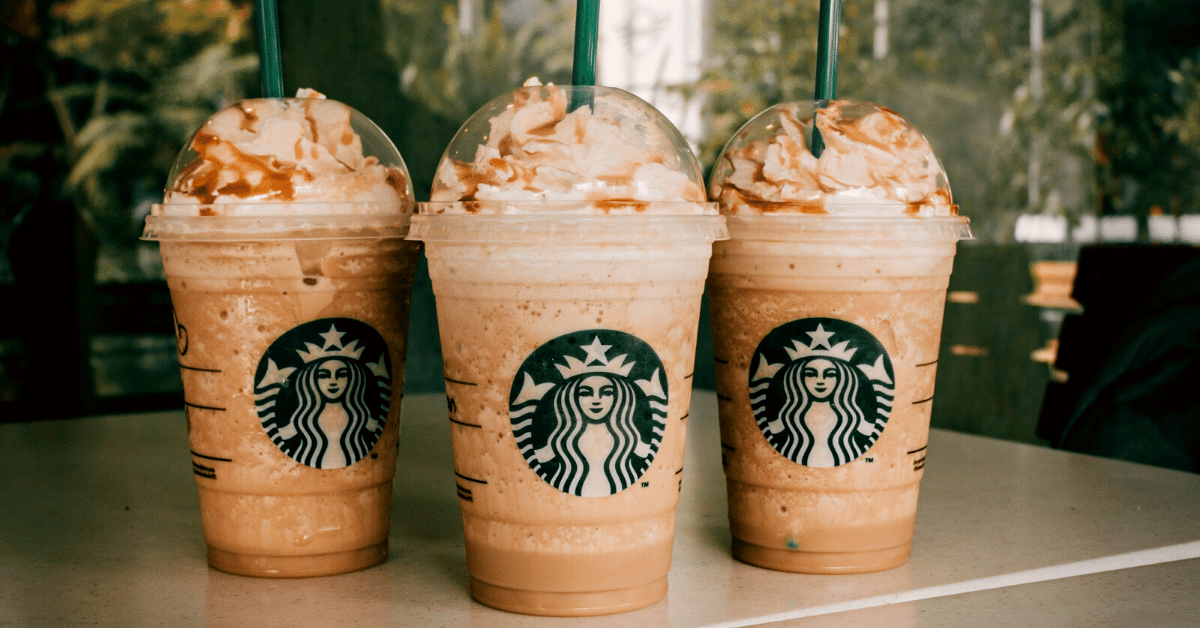
Simple but tasty, whipped cream complements a number of Starbucks beverages, like hot chocolates, frappuccinos, iced lattes, and so on. Even if the beverage you want doesn’t have whipped cream by standard, you can always ask your barista to add it.
So, now that you know the secret of Starbucks whipped cream, why not try to make it at home?
You’ll need only two ingredients, and the recipe is really a no-brainer. And your homemade iced latte will taste so much better with a whipped cream crown on top.
Starbucks Whipped Cream Recipe: How to Replicate It at Home
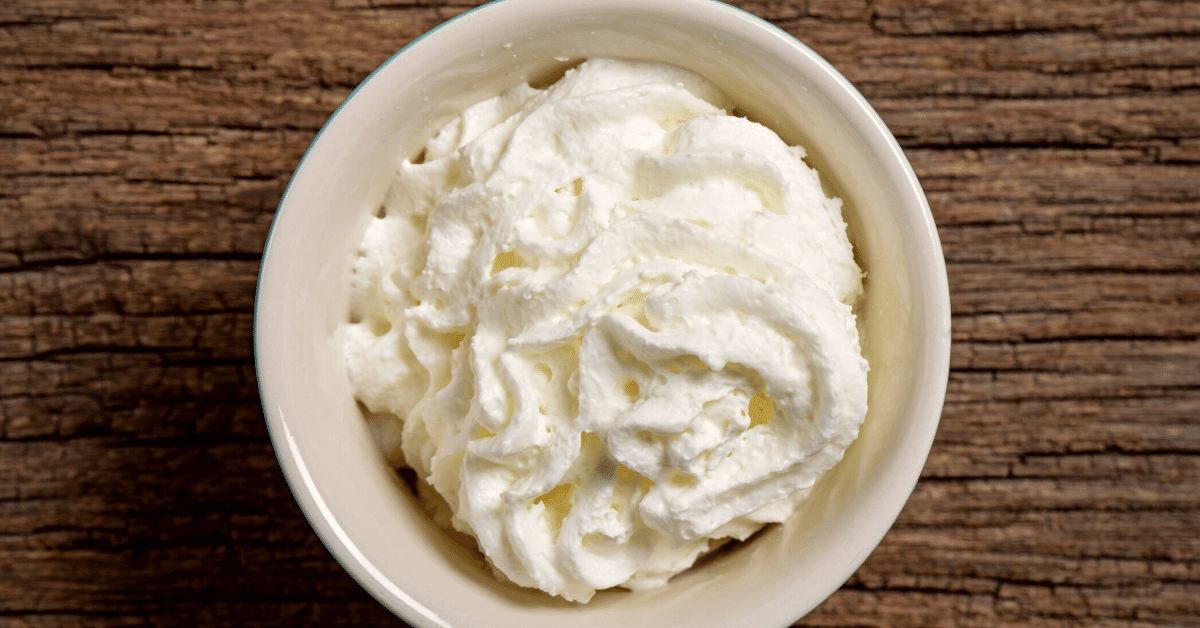
Making a good whipped cream is really not big of a deal. But, if you want the perfect texture, just like the one from Starbucks, you’ll want to use a whipped cream dispenser.
If you don’t have one in your household, consider buying one. You can find a decent one at a low price.
They are durable and will serve you for years. Plus, you can make a lot of different stuff with it besides whipped cream, such as:
- mousses
- cocktails
- sauces
- Nitro cold brew
Now, let me show you this easy recipe!
Ingredients
- heavy whipping cream (to achieve a perfect texture, it’s better to use high-fat, dairy milk because fats and lactose are mostly responsible for it)
- vanilla syrup (vanilla syrup is a common ingredient, and you can find it at almost every store, or you can even buy branded Starbucks syrup)
Equipment
- whipped cream dispenser
- N2O gas chargers
Step-by-step instructions
Once you learn how to use the cream dispenser, making whipped cream will be a piece of cake (with whipped cream on top ????).
This whole process takes just a few minutes.
Follow me!
- Cool down the cream. It will give a more consistent texture. You can cool down the dispenser in the fridge, too.
- Pour cream and vanilla syrup into the dispenser.
- Screw on the N2O charger. I suggest you put the charger inside the charger lid first and then screw them together to the dispenser. You will hear the gas releasing in the dispenser.
- Shake & rest. Shake the dispenser for 10-15 seconds. That way, gas will mix with the cream better. Leave it to rest for a few seconds. Now you can also remove the empty gas charger.
- Pour whipped cream. To release the whipped cream, turn the dispenser upside down, and press the handle.
And that’s it!
Now you can add swirls of heavy whipped cream on top of your coffee drink. You can add it to any kind of drink you like, from cold brew coffee, espresso, and iced coffee to non-coffee drinks.
Enjoy!
PRO TIP
You can experiment with the flavor of your whipped cream by changing the syrup. For example, I find pumpkin spice whipped cream mouthwatering (especially on the top of a pumpkin spice latte).
Can you make whipped cream if you don’t have a dispenser?
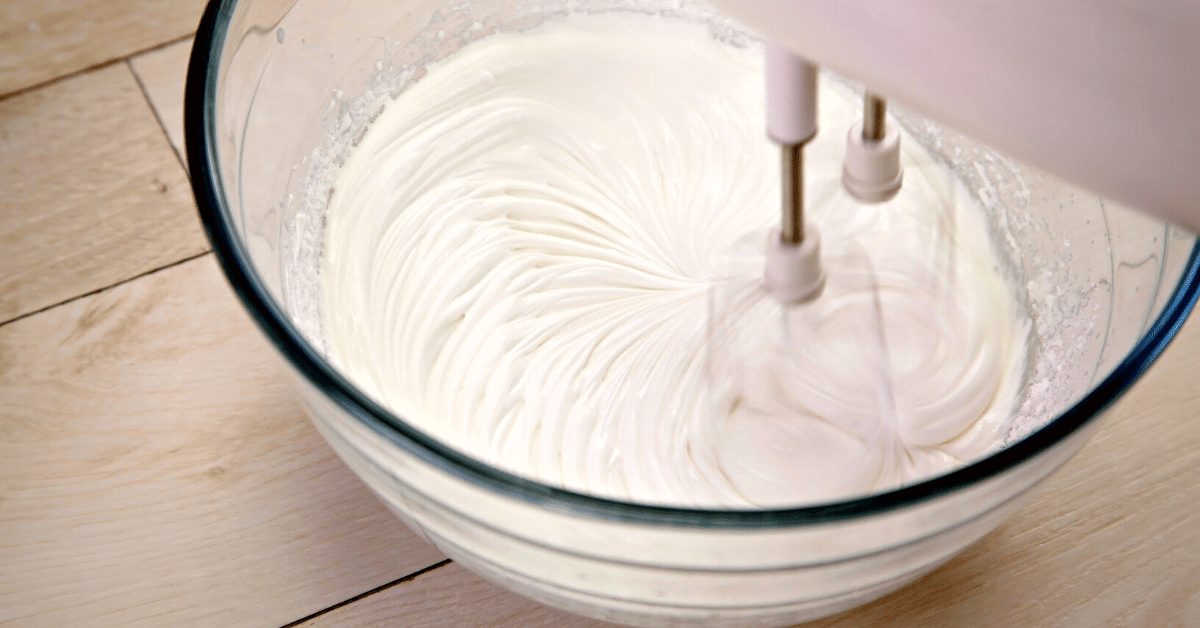
Don’t worry. If you don’t have a dispenser, you can still make whipped cream at home.
If you don’t want to spend money on a new gadget or just need whipped cream ASAP, a handheld mixer will do the trick.
The instructions are simple:
Whip the cream with a mixer at the highest speed for a couple of minutes.
It will take longer than with a dispenser. But be patient, and very soon, you’ll get the right texture.
PRO TIP
Use an extra cold whipping cream. Also, use a deep mixing bowl because it can become messy. The bowl can also be cooled in the fridge.
How to store whipped cream leftovers?
Using a dispenser, you’ll get a huge amount of whipped cream. There are high chance you’ll have some leftovers.
Closed in the dispenser, whipped cream can stay good for up to one week in a refrigerator.
TIP
Make sure to shake the dispenser a few times before every use.
However, if you use a mixer, put the leftover whipped cream into an airtight container. A glass bowl with a tight lid would be the best.
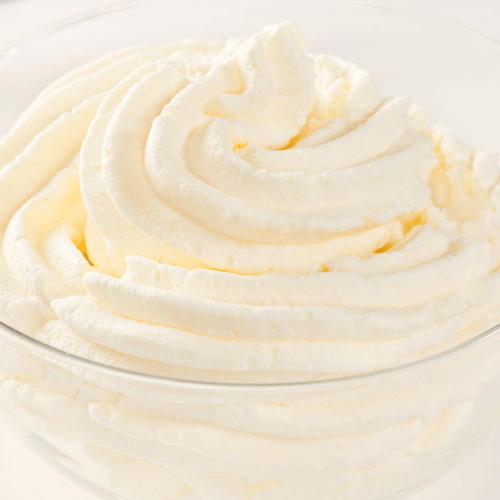
Starbucks Whipped Cream Copycat Recipe
Equipment
- whipped cream dispenser
- N2O chargers
Ingredients
- whipping cream
- vanilla-flavored syrup
Instructions
- Cool down the cream
- Pour cream and vanilla syrup into the dispenser
- Screw on the N2O charger
- Shake & rest
- Pour the whipped cream and enjoy!
FAQ
Now, if you have any more questions, keep on reading because we’ll talk about a few more things regarding Starbucks whipped cream.
Is Starbucks sweet cream just whipped cream?
Starbucks sweet cream is their original recipe. It’s a mixture of 2% milk, heavy cream, and vanilla syrup. So, they are similar but not the same.
Does Starbucks whipped cream have milk?
No, it doesn’t have regular milk. But it’s made from whipping cream and vanilla syrup. And the whipping cream is made from milk.
How many calories are in Starbucks whipped cream?
A whipped cream topper has 60-100 calories per serving, depending on the cup size. A Tall cup (the smallest one) has u003ca href=u0022https://www.fatsecret.com/calories-nutrition/starbucks/whipped-cream-topping-(tallu002du002d-hot-beverage)u0022 target=u0022_blanku0022 rel=u0022noreferrer noopeneru0022u003e60 caloriesu003c/au003e worth of whipped cream.
Final Thoughts
And that’s pretty much it.
As you can see, it’s really easy to make a good Starbucks-like whipped cream.
Whether you use a whipped cream dispenser or a handheld mixer, you’ll be able to add a remarkable topping to your beverage.
Want to add other flavors to your homemade whipped cream? Check out our top picks of tasty flavored syrups.