There’s a coffee debate that never dies: French press or pour-over? Both methods have devoted fans who’ll tell you theirs is objectively better.
The truth is, they make fundamentally different coffee. Neither is universally better—it depends on what you like. Let me explain the actual differences so you can choose for yourself.
The Core Difference: Immersion vs. Percolation
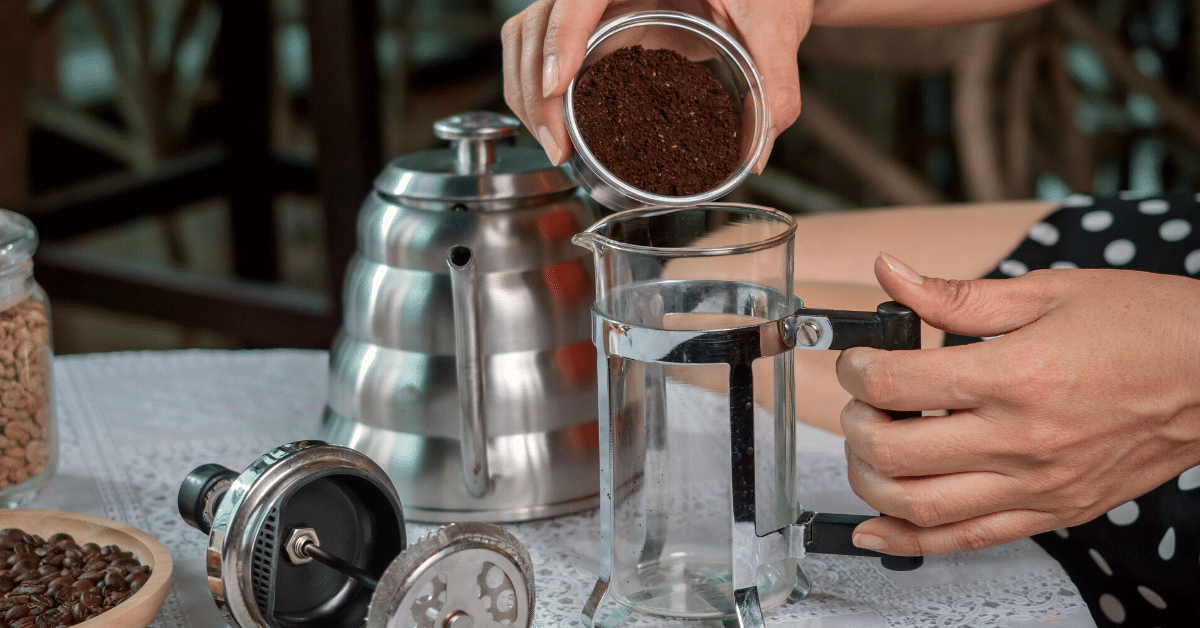
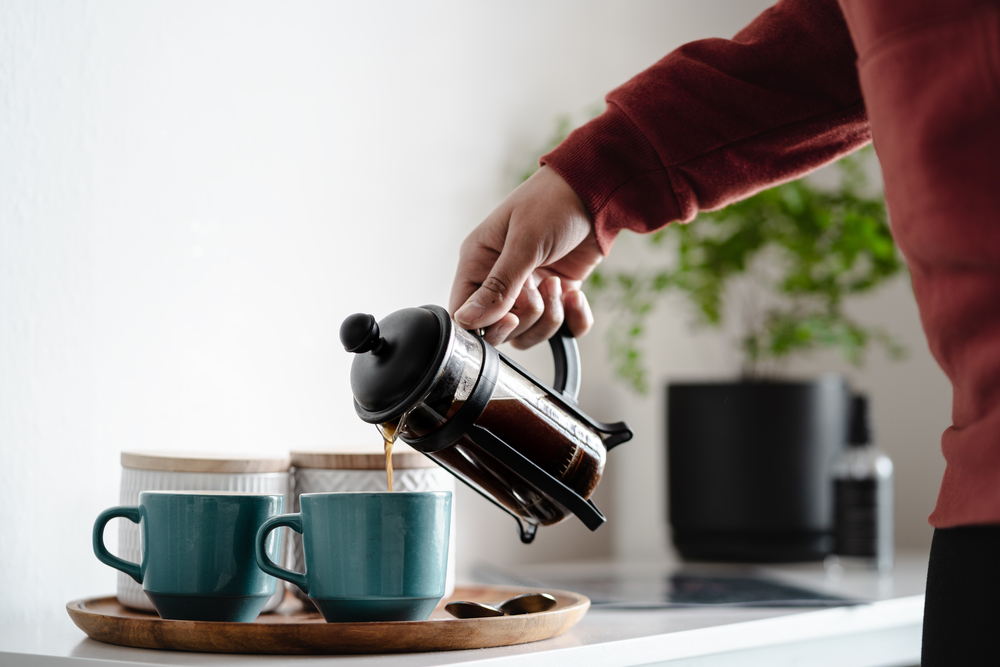
French press is immersion brewing. Coffee grounds sit in water for several minutes, then you filter them out by pressing a mesh plunger. All the grounds extract at the same rate for the same amount of time.
Pour-over is percolation. Water passes through a bed of coffee and a paper filter. Extraction happens as water moves through, which means different parts of the coffee bed extract differently.
This core difference explains everything else.
Body and Texture
French press: Full-bodied, heavy, oily. The metal mesh filter lets oils and fine particles through. The result is a rich, textured cup with noticeable body. Some call it “chewy.”
Pour-over: Clean, light, silky. Paper filters trap oils and particles. The result is a cleaner cup where individual flavor notes stand out more clearly. Some call it “transparent.”
Winner: French press if you like richness; pour-over if you like clarity.
Flavor Profile
French press: Tends to emphasize chocolate, nutty, and earthy notes. The oils carry a lot of flavor, and the heavier body creates a rounder taste. Dark roasts shine in French press.
Pour-over: Tends to emphasize bright, acidic, and fruity notes. Without the oils muddying things up, subtle flavors become more apparent. Light to medium roasts show their complexity better in pour-over.
Winner: Depends entirely on the coffee and your preferences.
Ease of Use
French press: Add coffee, add water, wait 4 minutes, press, pour. Hard to mess up. Timing isn’t super critical—a minute more or less won’t ruin your coffee (though it will change it).
Pour-over: Requires more attention. You need to pour in stages, maintain consistent water temperature, and finish within a target time. There’s a technique to learn.
Winner: French press is easier. Pour-over rewards attention.
Cleanup
French press: Annoying. Wet grounds stick to everything. You need to scoop or rinse them out, and some always stick to the mesh filter. The plunger mechanism has multiple parts that need disassembly for proper cleaning.
Pour-over: Easy. Lift out the filter, toss it (grounds and all) in the trash or compost, rinse the dripper. Done in 10 seconds.
Winner: Pour-over, no contest.
Capacity
French press: Most presses make 32-34 oz, enough for 4+ cups. Great for serving multiple people or making a morning batch.
Pour-over: Most drippers make 1-2 cups at a time. The Chemex is an exception (6-8 cups), but it’s slower to brew.
Winner: French press for volume.
Cost and Equipment
French press: The press itself is $20-40 for a good one. No ongoing costs—you might replace the filter screen eventually, but it lasts years.
Pour-over: The dripper is $10-50. But you’ll spend ongoing money on paper filters. V60 filters are cheap (~$7 for 100), but Chemex and Kalita filters add up over time.
Winner: French press has lower long-term cost.
Caffeine Content
Roughly the same. Caffeine extraction happens regardless of brewing method. The variables that matter are coffee amount, water amount, and brew time—not the method itself.
French press might have slightly more caffeine per cup because of the longer brew time, but the difference is negligible.
Winner: Tie.
Health Considerations
This is where things get slightly controversial. French press coffee contains cafestol and kahweol—compounds in coffee oils that may raise cholesterol levels. Paper filters remove most of these compounds.
Studies suggest drinking 5+ cups of unfiltered coffee daily could affect cholesterol. For moderate consumption, it probably doesn’t matter. If you have cholesterol concerns, talk to your doctor.
Winner: Pour-over, technically, for filtered vs. unfiltered considerations.
Which Should You Choose?
Choose French press if you:
- Like rich, full-bodied coffee
- Prefer darker roasts
- Often make coffee for multiple people
- Want low-maintenance brewing (despite the cleanup)
- Don’t want to spend money on filters
Choose pour-over if you:
- Like clean, nuanced coffee
- Prefer lighter roasts with complex flavors
- Usually make just one or two cups
- Enjoy the ritual of manual brewing
- Hate cleaning up coffee grounds
Why Not Both?
Honestly, I use both. French press on lazy weekend mornings when I want something rich and don’t want to think about it. Pour-over when I’ve got interesting light-roast beans and want to taste what they’re all about.
They’re both cheap enough that owning both isn’t extravagant. A $25 French press and a $10 V60 gives you two completely different coffee experiences.
The best method is the one that matches your mood and your beans on a given morning. There’s no need to pledge allegiance to one camp.