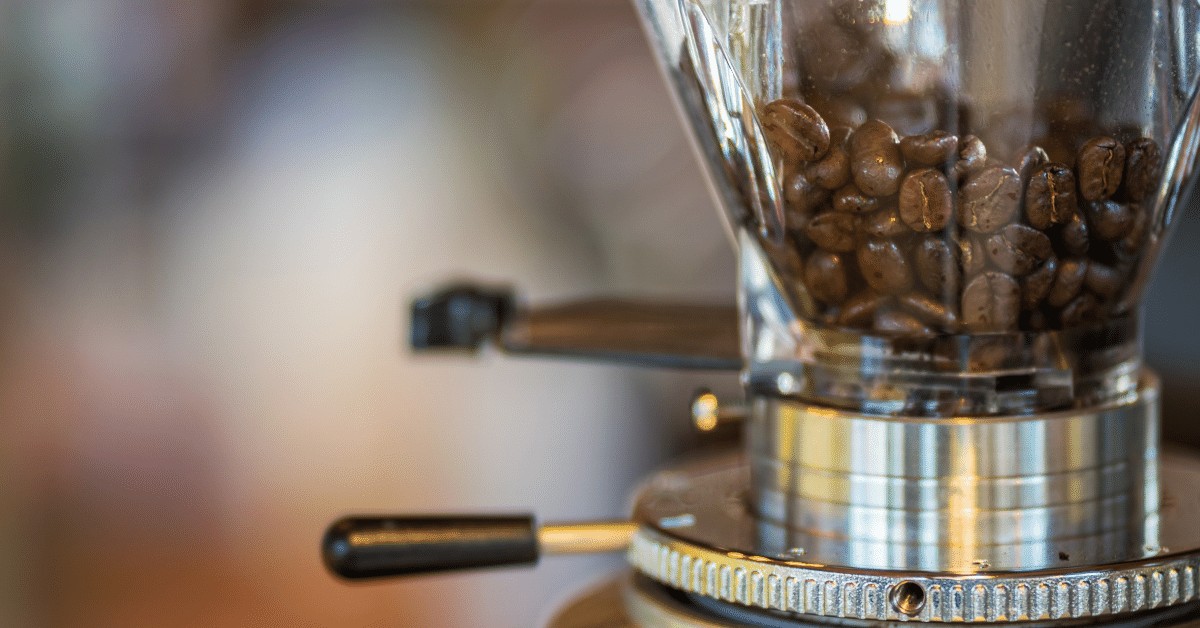
The Ninja Luxe Café Premier is our best espresso machine with a grinder for most homes in 2026. Its built-in burr grinder, weight-based dosing, grind recommendations, assisted tamping, and hands-free frothing reduce the most common beginner mistakes. It also makes drip coffee and rapid cold brew, so it can replace more than one appliance.
Shop espresso machines with built-in grinders
Best overall: see the Ninja Luxe Café Premier on Amazon.
Best guided workflow: see the Breville Barista Express Impress on Amazon.
Best traditional alternative: see the De’Longhi La Specialista Opera on Amazon.
But “best” depends on how much of the process you want to control. A portafilter machine still asks you to grind, prepare a puck, and start extraction; a super-automatic machine handles nearly everything after you choose a drink. This guide separates those categories so you do not buy the wrong kind of convenience.
Best espresso machines with grinders: quick comparison
| Machine | Type | Best for | Key tradeoff |
|---|---|---|---|
| Ninja Luxe Café Premier | Guided portafilter | Best overall for beginners | Larger, more complex appliance |
| Breville Barista Express Impress | Assisted semi-automatic | Learning hands-on espresso | Manual milk steaming |
| De’Longhi La Specialista Opera | Assisted semi-automatic | Built-in tamping and cold drinks | Still requires workflow practice |
| Philips 4400 LatteGo | Super-automatic | Easy one-touch drinks | Less puck-level control |
| Gaggia Cadorna Prestige | Super-automatic | Milk drinks and profiles | Milk system needs regular cleaning |
| Breville Barista Touch Impress | Guided semi-automatic | Premium touchscreen guidance | High price |
| JURA E8 | Super-automatic | Premium one-touch experience | Highest total cost |
How we selected: We compared machines currently supported or sold by their manufacturers, then prioritized grinder assistance, dosing, milk workflow, cleaning access, drink range, and the difference between manual and automatic operation. We do not claim laboratory testing where none was performed, and features can vary by market or model revision.
1. Ninja Luxe Café Premier: best overall
The Ninja Luxe Café Premier combines a 25-setting conical burr grinder with a built-in scale. It recommends a grind setting, doses by weight, and adjusts brewing guidance. The hands-free frothing system steams and whisks milk, while the machine also supports drip coffee and rapid cold brew.
That makes it unusually helpful for a beginner who wants fresh-ground espresso without learning every variable on day one. You still use a portafilter and should expect cleanup, dialing-in, and bean changes to affect results. Choose it for broad versatility; skip it if you want the smallest machine or fully automatic bean-to-cup service.
2. Breville Barista Express Impress: best for learning espresso
The Breville Barista Express Impress adds intelligent dosing and assisted tamping to a familiar semi-automatic format. The Impress puck system corrects the next dose and finishes the tamp with a guided twist, while milk texturing remains manual.
This is a better fit for someone who wants to learn how grind size, dose, extraction, and steam technique interact. It removes some mess and inconsistency without turning the process into a one-touch drink. If automatic milk is important, consider the Touch Impress instead.
3. De’Longhi La Specialista Opera: best assisted tamping option
The De’Longhi La Specialista Opera has a built-in burr grinder with 15 settings, Smart Tamping, three infusion temperatures, five preset recipes, and a manual steam wand. It also offers the company’s quick Cold Brew and Espresso Cool programs.
The tamping lever is useful if puck preparation feels messy, yet the steam wand preserves hands-on control. Do not choose it merely because its pump is advertised at 19 bar: espresso extraction is designed around lower pressure at the coffee puck, and pump marketing alone does not predict cup quality.
4. Philips 4400 LatteGo: best easy super-automatic
The Philips 4400 LatteGo is a bean-to-cup machine with 12 hot and iced recipes. It grinds, doses, brews, and prepares milk drinks with far less handling than a portafilter machine.
Choose it when speed and repeatability matter more than manual technique. Its LatteGo milk system is designed for straightforward removal and cleaning. As with any super-automatic, the tradeoff is less direct control over puck preparation and a different espresso texture than a well-dialed traditional machine.
5. Gaggia Cadorna Prestige: best for household drink profiles
The Gaggia Cadorna Prestige offers 15 beverages, four user profiles, ten grinder settings, an integrated milk carafe, and automatic rinse and descale programs. Multiple profiles are useful when several people want different strengths, temperatures, or drink lengths.
The removable brew group gives you physical access for routine care, but automatic rinse programs do not eliminate maintenance. Empty the drip tray and puck bin, clean the milk system after use, and follow the manual for lubrication, filter changes, and descaling.
6. Breville Barista Touch Impress: best guided premium machine
The Breville Barista Touch Impress combines touchscreen instructions, assisted dosing and tamping, a 30-setting Baratza burr grinder, fast ThermoJet heating, and hands-free Auto MilQ frothing. It supports dairy and several plant-milk settings and stores customized drinks.
It is the strongest fit here for someone who wants a portafilter but also wants the machine to coach each step. The premium is substantial, so compare it with the less expensive Express Impress if you are comfortable steaming milk manually.
7. JURA E8: best premium super-automatic
The current JURA E8 uses the company’s P.A.G.2 grinder and is built around a premium one-touch workflow. It is for buyers who want an automatic machine to manage grinding, extraction, and drink programming with minimal daily intervention.
Before paying the premium, compare the drinks you actually make, milk-tube cleaning steps, consumable costs, service options, and counter clearance. Convenience is the E8’s main case; it is not the economical route to learning manual espresso.
Semi-automatic vs super-automatic: choose this first
A semi-automatic or guided portafilter machine lets you handle the coffee puck and usually the milk. It offers more tactile control and teaches transferable espresso skills, but demands practice and cleanup. See our broader semi-automatic espresso machine guide for options with and without grinders.
A super-automatic grinds beans inside the machine and moves the dose to an internal brew group. It is faster and more repeatable, but gives you less direct control and adds internal parts that require cleaning. If “press one button for a latte” is the goal, start with this category.
What matters in a built-in espresso grinder
Adjustment range and dose control
The number of settings is not the whole story. Espresso needs small, repeatable changes near the fine end, and the grinder must deliver a consistent dose. Weight-based dosing or useful dose correction can be more valuable to a beginner than a large setting count.
Bean switching and retention
An integrated hopper is convenient but awkward if you frequently switch between regular and decaf beans. A bypass chute on a super-automatic accepts pre-ground coffee, although it does not turn the built-in grinder into a general-purpose grinder. Read our coffee grinder guides if you expect to change beans often.
Milk workflow
Manual steam wands give you control but require practice. Hands-free wands reduce technique. Carafes and tubes make one-touch drinks possible but introduce milk-contact parts that must be cleaned promptly. Pick the system whose maintenance you will actually perform.
Space, water access, and service
Measure width, depth, height, and the extra room needed to refill a top hopper or rear tank. Check whether the brew group is user-removable, what cleaning products are required, and whether authorized service is available near you. These practical details often matter more after six months than an extra preset.
Frequently asked questions
Is an espresso machine with a grinder worth it?
Yes when you value a compact workflow, guided dosing, or one-touch drinks. A separate grinder is usually easier to upgrade or replace and can offer more control, so serious hobbyists should compare both setups before committing.
Can the built-in grinder make regular coffee?
Usually not by itself. It normally doses directly into the portafilter or internal brew group. A machine such as the Ninja Luxe Café can brew drip coffee as part of the appliance, but that is different from using its grinder as a standalone unit.
Which machine is easiest for a beginner?
The Ninja Luxe Café Premier offers the most assistance while retaining a portafilter. The Philips 4400 is easier if you want the machine to handle nearly the entire bean-to-cup process.
The bottom line
Choose the Ninja Luxe Café Premier for the broadest beginner-friendly package. Choose the Breville Barista Express Impress to learn hands-on espresso with dosing and tamping help, or the Philips 4400 LatteGo when one-touch convenience matters most. The right category is more important than the longest feature list.