Americano vs Cappuccino: What’s the Difference and Which Should You Order?
By Jason Michael | Last updated: January 2026
Walk into any coffee shop and these two drinks are on the menu. They’re both espresso-based, both popular, and both confuse people who just want “regular coffee.” But they’re fundamentally different drinks for different moods.
An Americano is espresso diluted with water—bold, black, and strong. A Cappuccino is espresso with steamed milk and foam—creamy, balanced, and indulgent. Same base ingredient, completely different experiences.
Quick Comparison
| Americano | Cappuccino | |
|---|---|---|
| Espresso shots | 1-2 (varies by size) | 1-2 (varies by size) |
| Water | 6-8 oz hot water | None |
| Milk | None (unless added) | ~4 oz steamed milk |
| Foam | None | ~2 oz thick milk foam |
| Calories (no sugar) | ~15 | ~120 (whole milk) |
| Caffeine | ~150mg (2 shots) | ~150mg (2 shots) |
| Taste profile | Bold, slightly bitter, clean | Creamy, balanced, mild |
| Best for | Black coffee lovers | Those who like milk drinks |
What Is an Americano?
An Americano is dead simple: espresso shots topped with hot water. That’s it. No milk, no foam, no frills.
The standard ratio is roughly 1:2 or 1:3—one part espresso to two or three parts water. A typical 12oz Americano contains two shots of espresso and about 8oz of hot water. The result tastes similar to drip coffee but with more body and a slightly different flavor profile.
Why Add Water to Espresso?
Good question. Straight espresso is intense—about 2oz of concentrated coffee meant to be consumed quickly. Not everyone wants that experience. The water mellows the intensity while preserving the espresso’s character.
The name supposedly comes from American soldiers in Italy during WWII. They found Italian espresso too strong, so they diluted it with hot water to approximate the drip coffee they were used to back home. Italian baristas started calling it “caffè Americano”—American coffee. Whether that’s true or apocryphal, the name stuck.
What Does an Americano Taste Like?
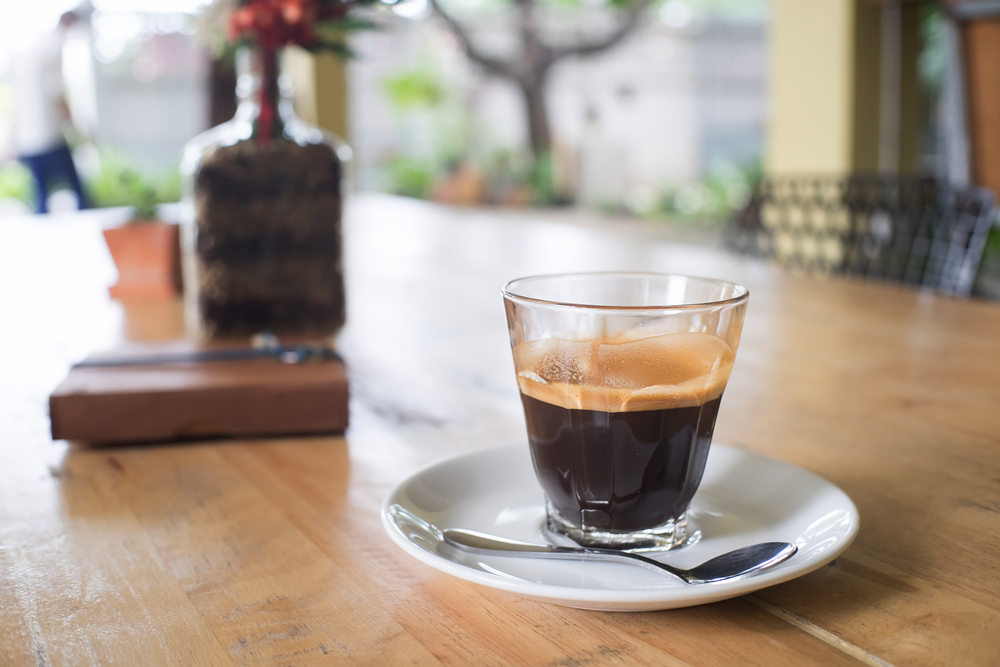
Expect a clean, bold coffee flavor with slight bitterness and a thin layer of crema on top. It’s less acidic than pour-over coffee and has more body than standard drip. The espresso’s roast character comes through clearly—you’ll taste chocolate, caramel, or nutty notes depending on the beans used.
Without milk or sugar, you’re tasting the espresso itself. This can be great (with quality beans and a skilled barista) or harsh (with over-extracted or stale espresso). An Americano doesn’t hide anything.
What Is a Cappuccino?
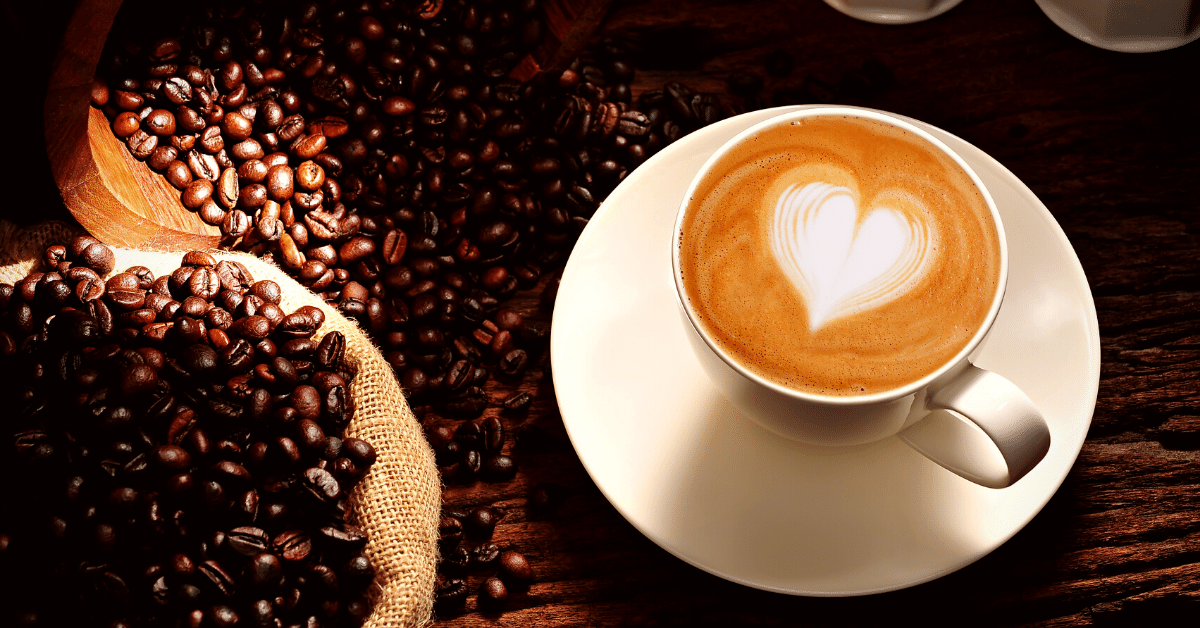
A cappuccino is espresso combined with steamed milk and topped with a thick layer of milk foam. The traditional ratio is equal thirds: one part espresso, one part steamed milk, one part foam.
In practice, most coffee shops serve cappuccinos that are roughly 6oz total: one or two shots of espresso, a few ounces of steamed milk, and an inch or so of dense foam on top. The foam should be thick enough to hold its shape, not thin and bubbly like what you’d get from a home frother.
The Foam Matters
What separates a cappuccino from a latte is the foam. Cappuccino foam is thick, velvety, and almost meringue-like. It insulates the drink, creates textural contrast, and delivers a different experience with each sip—creamy foam first, then the espresso-milk blend underneath.
Bad cappuccino foam is either too thin (basically a latte) or too stiff and dry (like soap bubbles). Good foam has tiny, uniform bubbles that create a dense, creamy texture. Baristas call this “microfoam.”
What Does a Cappuccino Taste Like?
A cappuccino tastes like espresso softened by milk—still distinctly coffee-forward, but rounder and creamier than an Americano. The milk sweetens the drink naturally (lactose is a sugar) without adding any actual sweetener.
The first sip through the foam is the most milk-dominant. As you drink, the ratio shifts toward more espresso flavor. This progression is part of the appeal—the drink evolves as you consume it.
Caffeine Content: Same Same
Here’s what surprises people: Americanos and cappuccinos have the same caffeine content if they’re made with the same number of espresso shots.
Caffeine comes from the espresso, not the water or milk. A two-shot Americano has about 150mg of caffeine. A two-shot cappuccino also has about 150mg. The only variable is how many shots the barista uses.
Where it gets confusing: Starbucks and other chains use different shot counts for different sizes. A Starbucks Grande Americano has 3 shots (225mg caffeine) while a Grande Cappuccino has 2 shots (150mg). Same size cup, different caffeine. Always ask how many shots are in your drink if caffeine content matters to you.
Calorie Comparison
This is where they diverge significantly.
Americano (no additions): ~15 calories. Espresso has negligible calories. Water has zero.
Cappuccino (whole milk): ~120 calories. The 4oz of milk contributes essentially all of this.
Cappuccino (skim milk): ~60 calories.
Cappuccino (oat milk): ~90 calories.
If you’re counting calories, the Americano wins decisively. Even if you add a splash of cream, you’re still well under a cappuccino’s total.

When to Order an Americano
Get an Americano when:
- You want black coffee but the shop only serves espresso-based drinks
- You’re watching calories or avoiding dairy
- You want a larger, more sippable drink than straight espresso
- You appreciate coffee’s natural flavors without milk masking them
- You need to nurse a drink for a while (Americanos stay palatable longer than cooling lattes)
Customizing Your Americano
Iced Americano: Espresso over ice, topped with cold water. Refreshing in summer.
Long Black: Water first, then espresso poured on top. Preserves more crema. Popular in Australia and New Zealand.
Red Eye: Drip coffee with a shot of espresso added. Maximum caffeine.
With room: Ask for space at the top if you want to add cream yourself.
When to Order a Cappuccino
Get a cappuccino when:
- You enjoy the texture and richness of steamed milk
- You want something more substantial than black coffee
- You like coffee flavor but find straight espresso too intense
- You’re having coffee as a treat, not just a caffeine delivery system
- The shop has skilled baristas (bad foam ruins the experience)
Cappuccino Variations
Dry cappuccino: Extra foam, less steamed milk. More texture, stronger espresso flavor.
Wet cappuccino: More steamed milk, less foam. Closer to a latte.
Bone dry: Foam only, no steamed milk at all. Essentially espresso with a foam cap.
Flavored: Add vanilla, hazelnut, or caramel syrup. Purists will judge you, but drink what you enjoy.
Americano vs Cappuccino vs Latte vs Flat White
Since we’re comparing, let’s clear up the whole espresso drink family:
Espresso: 1-2oz of concentrated coffee. The foundation for everything else.
Americano: Espresso + hot water. No milk.
Cappuccino: Espresso + steamed milk + thick foam layer. Strong coffee flavor, lots of texture.
Latte: Espresso + lots of steamed milk + thin foam layer. Milder, creamier, more milk-forward.
Flat White: Espresso + steamed milk, little to no foam. Strong coffee flavor, velvety texture.
Macchiato: Espresso + just a dollop of foam. Mostly espresso with a foam accent.
Think of it as a spectrum from pure espresso to mostly milk. Americanos and espresso are on one end. Lattes are on the other. Cappuccinos and flat whites sit in the middle.
Making Them at Home
Americano at Home
Easy with any espresso setup:
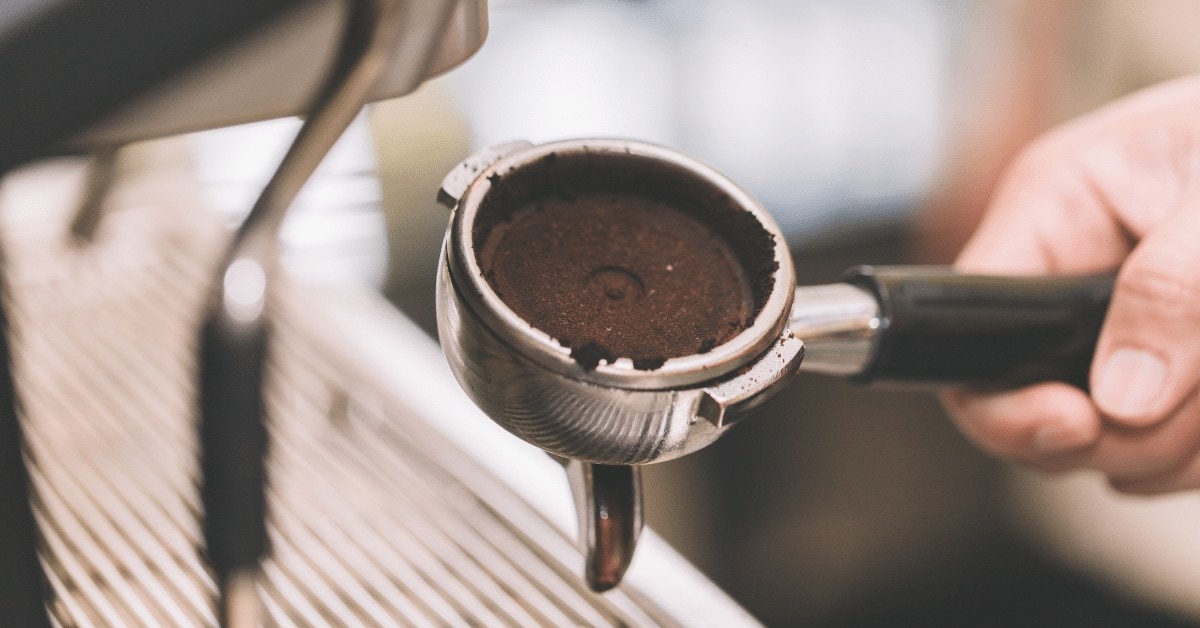
- Pull 1-2 shots of espresso into a mug
- Add 6-8oz of hot water (around 200°F)
- That’s it
No espresso machine? Use a Moka pot or Aeropress to make concentrated coffee, then dilute. Not technically an Americano, but similar result.
Cappuccino at Home
Harder without proper equipment:
- Pull 1-2 shots of espresso
- Steam milk with a steam wand until you have dense microfoam
- Pour steamed milk into espresso, holding back foam with a spoon
- Spoon foam on top
The foam is the tricky part. Without a steam wand, you can use a French press (pump the plunger rapidly with hot milk) or a milk frother, but the foam won’t be quite right. It works, just don’t expect coffee shop quality.
Final Verdict
Choose an Americano if you want a simple, black coffee experience with espresso character. It’s lower calorie, dairy-free by default, and lets you taste the actual coffee.
Choose a Cappuccino if you want richness, texture, and a more indulgent experience. The milk softens the espresso and adds complexity through foam and steamed milk layers.
Neither is objectively better. They’re different drinks for different purposes. Most coffee lovers enjoy both depending on their mood, the time of day, or what they’re eating alongside it.
My personal rule: Americano before noon when I want clean energy, cappuccino in the afternoon when I want a small treat. But you do you.
Related: Latte vs Cappuccino: What’s Actually Different? | How to Make Espresso at Home Without Expensive Equipment