“`html
Why Your Costco Coffee Tastes Stale and How to Fix It
I bought a 2.5-pound bag of Kirkland Signature Dark Roast at Costco last month, got home, made a cup, and immediately knew something was wrong. The coffee tasted flat. Lifeless. Like it had been sitting in a cabinet for three weeks—which, it turned out, it had. The roast date stamped on the back said May 12th. I was drinking it in mid-June. Coffee freshness has gotten complicated with all the conflicting advice flying around, but as someone who actually cares about coffee but also loves a good bulk deal, I’ve learned everything there is to know about why Costco coffee tastes stale and what to do about it.
Here’s the thing though: it’s almost never the coffee’s fault. It’s usually yours. Mine. All of us.
The Roast Date Check — This Is Your First Move
Before you blame Costco’s supply chain or the beans themselves, find the roast date. Both Kirkland and Starbucks bags at Costco print this on the back, usually in small text near the barcode. Sometimes it says “Best By” followed by numbers. Sometimes it’s just a production date printed directly on the label.
Coffee peaks between 2 to 14 days after roasting. By week three, you’re losing brightness and complexity. At four weeks old, it’s noticeably flat. Eight weeks and beyond? You’re fighting a losing battle.
I’ve found bags at Costco that were already three weeks old at purchase. Nothing wrong with the warehouse—that’s just how bulk retail works. The bag sat in the stockroom, then on the shelf, then in your cart. That’s what makes checking the date before checkout endearing to me now. Really check it.
The Storage Mistake Everyone Makes
Probably should have opened with this section, honestly.
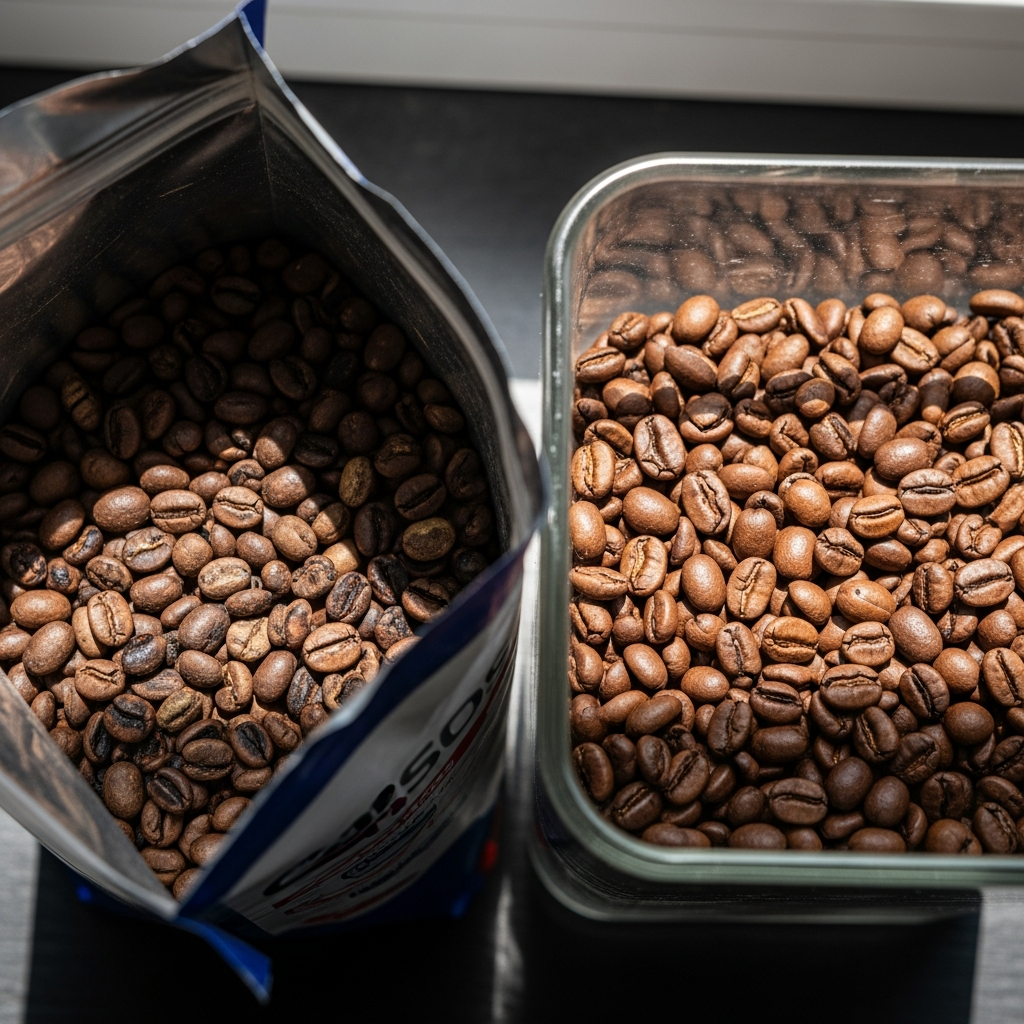
Most people buy a 2-pound bag of Costco coffee and leave it in the original packaging, open or loosely sealed, sitting on the kitchen counter or stuffed in a cabinet. I did this. For months. The coffee oxidizes, loses aromatics, and absorbs flavors from everything around it—garlic powder, vanilla extract, whatever else is living in your pantry.
Here’s what actually works:
- Transfer to an airtight container immediately. A glass or stainless steel container with a one-way valve costs $12 to $18. Airscape or OXO make solid ones. I’m apparently the type who uses a 1-quart Ball mason jar with a rubber gasket, and it works fine for me while fancy containers never quite seal right.
- Room temperature is fine. Forget the freezer myth. Cold storage doesn’t extend freshness meaningfully — at least not in any way that matters for weekly coffee drinkers. Pulling a bag in and out of the freezer introduces moisture. Room temperature in a dark pantry is your target.
- Light is the enemy you’re not thinking about. UV light degrades the oils in coffee beans. Opaque containers matter more than you’d expect. Those clear glass canisters on Instagram? They’re pretty. They’re also accelerating staleness.
- Seal it tight every time. Oxygen is what ruins coffee. After every brew, roll the bag down or snap the container lid shut. This is the non-negotiable step I skipped for way too long.
I switched to storing my Costco bags in airtight containers in a cabinet, and the difference was immediate. The coffee tasted brighter the next day. Not revolutionary, but noticeable enough that I actually looked forward to my morning cup.
Grind Size and Water Temp Matter More Than You Think
Here’s a hard truth: stale coffee is forgiving if you brew it correctly. A two-month-old bag won’t taste fresh, but you can absolutely extract better flavor from it with technique.
Most home brewers grind too coarse. Coarse grinds pass water through beans too quickly, leaving flavor compounds behind. This under-extraction is brutal with stale coffee. Grind finer. The coffee should look like sea salt, not breadcrumbs.
Water temperature matters equally. Basic drip machines run 195°F to 205°F — that’s acceptable. But if you’re using a pour-over or French press, you need precision. I use a thermometer from Amazon for $9.99. Water should hit the grounds at 200°F to 202°F. Cooler water under-extracts. Hotter water burns stale coffee, making it taste worse.
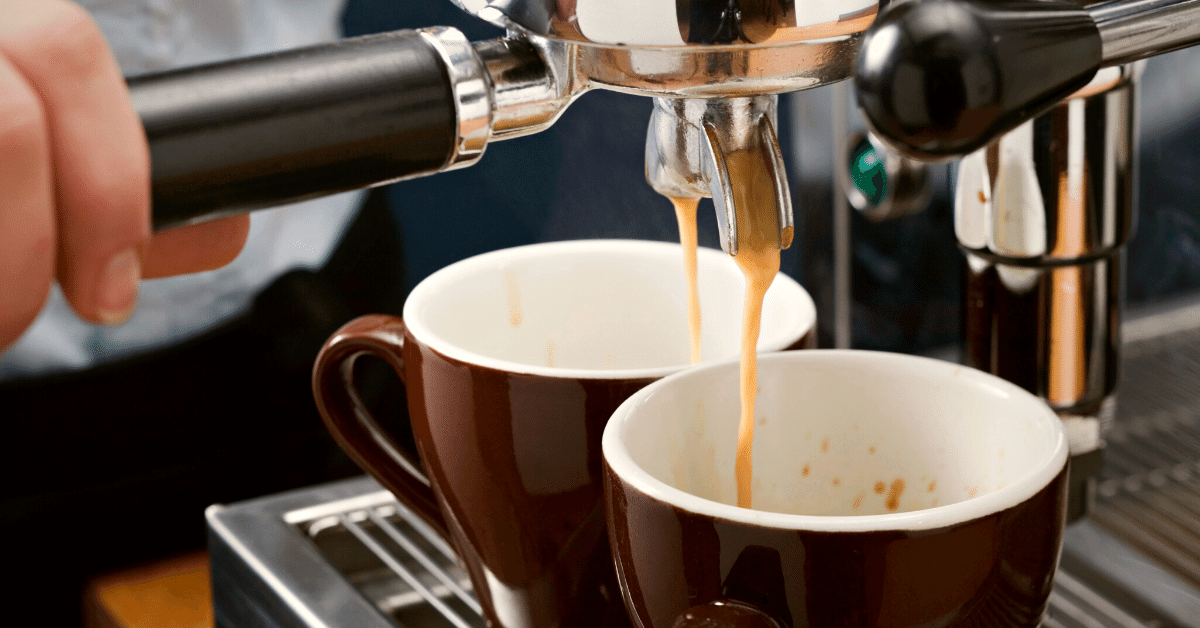
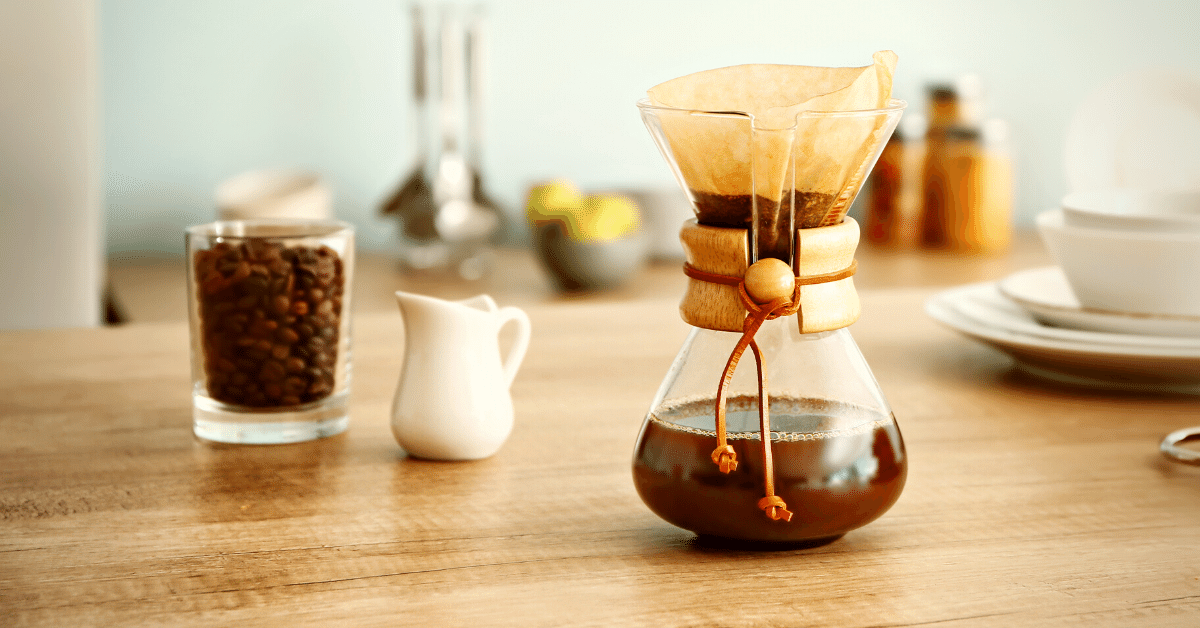
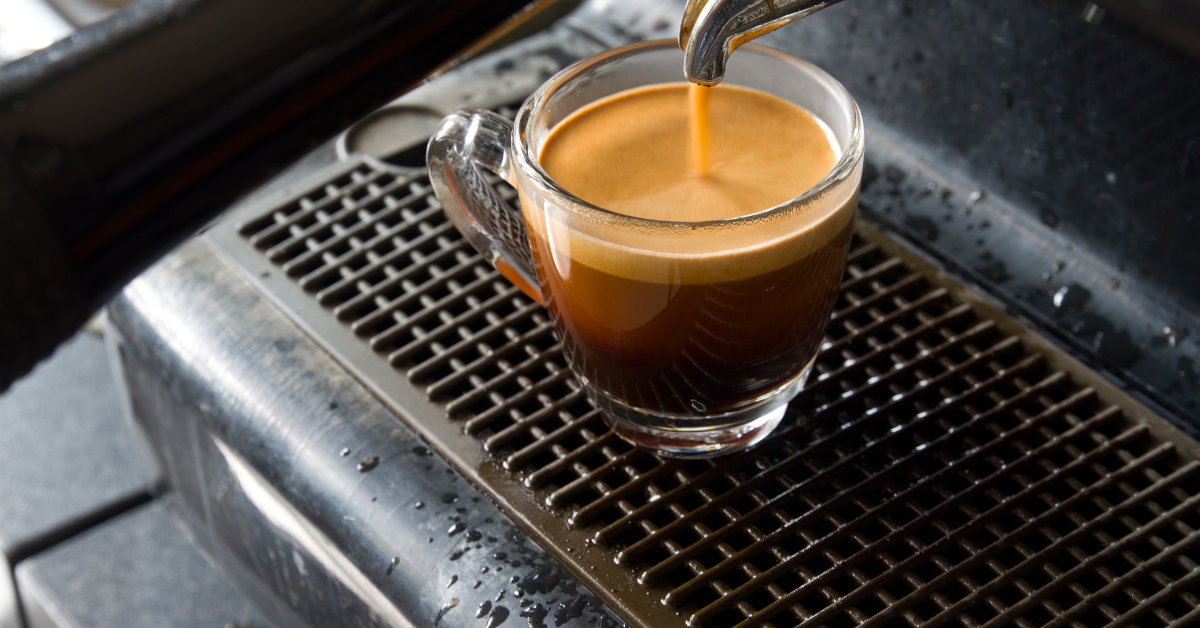
Brewing method mismatch is also a culprit. Stale coffee in a French press tastes rougher than stale coffee in a Chemex or V60 because immersion brewing for 4+ minutes extracts more harshness. If your dark roast tastes woody or bitter, try a shorter brew or a faster method. Espresso machines? They’re actually forgiving with stale beans because the high pressure forces extraction in 25 to 30 seconds. No time for bitterness to develop.
Don’t overthink this. Just grind finer and check your water temperature. That’s your first fix.
When to Toss It and What to Buy Next Time
Coffee past eight weeks is stale. Really stale. You can’t brew your way out of it. Stop trying. Don’t make my mistake of stretching a bad bag into another week.
Here’s the buying pattern that actually works: buy a half-pound or one-pound bag every two weeks instead of a 2.5-pound bag once a month. Yes, your cost per pound goes up slightly — maybe 5% more. But your coffee tastes infinitely better, and you’re not wasting money on mediocre cups.
Check the roast date at checkout. This is non-negotiable. If it’s more than two weeks old, don’t buy it. Costco’s rotation is usually tight, but spot-checks catch stragglers.
For Kirkland Signature Dark Roast, expect to pay $8.99 to $10.99 for a 2.5-pound bag. Split that into smaller purchases and you’re still under $12 per pound. That’s fair for bulk quality.
The One-Day Fix to Salvage What You Have
You’ve got a bag of week-old Costco coffee sitting there right now. Make cold brew today.
Cold brewing masks staleness better than any other method. Frustrated by flat-tasting coffee, I started steeping coarsely ground beans in cold water for 12 to 24 hours instead of throwing it out. The slow extraction pulls flavor without bitterness, and stale notes that would shine in hot water disappear in the cold profile. A Mason jar, cheesecloth, and patience is all you need. By tomorrow, you have smooth concentrate.
If you don’t have 24 hours, brew on your espresso machine with a darker roast setting (longer pull, hotter water). The intensity masks the flatness. Or use boiling water — I mean actually boiling, 212°F — with a very fine grind in a pour-over. The speed and heat extract what little life is left before bitterness takes over.
You’re not saving the coffee. You’re making it drinkable again. That’s the realistic goal here.
Costco coffee is good. The problem isn’t Costco. Check the date, seal the bag, grind fresh, hit your water temperature, and buy smaller quantities more often. Your next cup will taste like it should.
“`