Why Most Coffee Brands Tune You Out — and How to Find the Ones That Don’t
Coffee machine loyalty has gotten complicated with all the slick marketing noise flying around. As someone who has spent four years deep in coffee forums, Reddit threads, and support channels, I learned everything there is to know about which brands actually listen. Today, I will share it all with you.
There are exactly two signals that separate the real from the performative. First: mid-cycle firmware or hardware revisions — actual fixes shipped before a full product relaunch. Second: community forum engagement that visibly changes what ends up in next year’s model. Most brands fail both tests. A few don’t.
Take Keurig. When the 2.0 hit shelves in 2014 with DRM-locked pods, customers flooded every forum they could find. The machine flat-out rejected third-party capsules. Keurig’s response? Double down. It took years of sustained backlash, actual lawsuits, and real revenue losses before anything changed. By then, the trust was gone. That was a brand choosing licensing revenue over the people who bought the thing.
Breville and Nespresso operate in a completely different universe.
Breville — The Brand That Ships Fixes, Not Just Apologies
But what is a truly responsive coffee brand? In essence, it’s one that treats customer complaints as a product roadmap. But it’s much more than that — it’s a company that moves fast enough for the fix to feel meaningful.
The Breville Barista Express launched in 2013. Thousands of home baristas loved it. They also complained relentlessly about one thing: grind retention. The burr grinder left a small pocket of ground coffee sitting in the chute. Pull three shots on a Tuesday morning and each one carries ghost flavors from the last. Small detail. Enormous consequence if you care about taste.
Frustrated by the limitations of the original grind path design, Breville’s engineers went back through years of forum posts and rebuilt the channel entirely using documented user complaints from r/espresso and Home Barista as their spec sheet. The Barista Pro dropped in 2019. Grind retention: solved. That’s what makes Breville endearing to us home espresso obsessives.
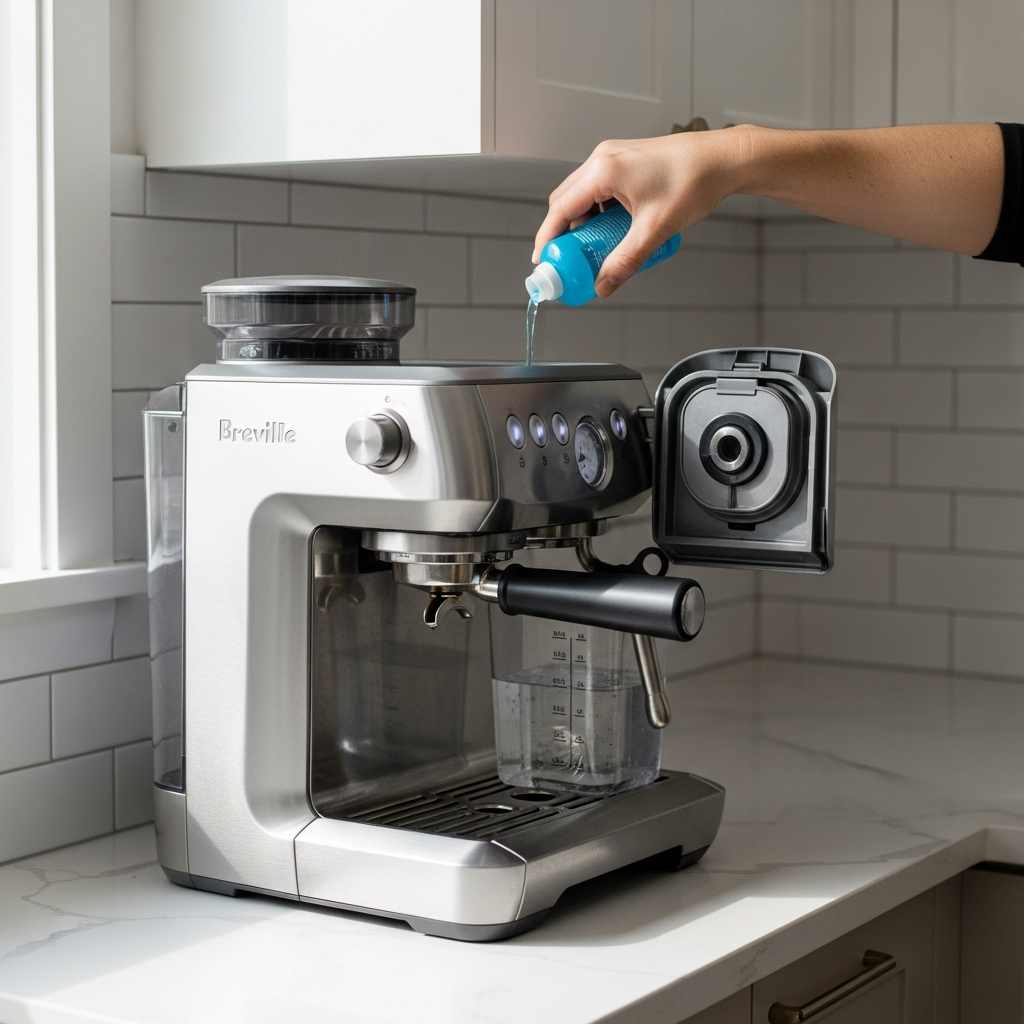
Portafilter basket sizes? Expanded — based directly on user requests. Shower screens and group head gaskets wearing out? Breville’s support team started shipping free replacements to anyone who reported wear. No receipt. No serial number verification. Just — here’s the part, enjoy your coffee.
Probably should have opened with this section, honestly. I bought the original Express in 2018 without checking any forums first. Don’t make my mistake. I spent probably four months frustrated about grind retention before I understood that Breville had already acknowledged it and built a fix into the Pro. When I finally contacted support about my group head gasket — worn down, clearly — they mailed a replacement the same week. Free. No friction whatsoever.
That’s not marketing. That’s a feedback loop that actually functions.
The Pro isn’t perfect, to be clear. Temperature stability on the stock boiler remained a legitimate complaint for years. So Breville released the Barista Max in 2023 with a dual-boiler setup — a direct hardware answer to years of documented forum pressure. I’m apparently a dual-boiler person and the Max works for me while the single-boiler setup never quite did. Under $1,000 espresso machines don’t get iterated on faster or more visibly by anyone else in this segment.
Nespresso — Surprisingly Good at Reading the Room
Nespresso’s feedback story runs differently — mostly because their early mistake was bigger. So, without further ado, let’s dive in.
The Vertuo line launched in 2015. Barcode-locked capsules only. Nespresso called it quality control. Customers called it something less polite. Forums erupted almost immediately. Workarounds got shared. Some users walked away entirely and didn’t come back.
Here’s where it diverges from the Keurig story: Nespresso didn’t dig in. They watched what people were saying and moved. Over the next several years, they expanded the Vertuo capsule catalog dramatically — new flavor profiles, different price tiers, broader origin options. Third-party compatible pods started appearing. By 2022, the Vertuo pod ecosystem looked almost unrecognizable compared to launch day. That new idea took off several years later and eventually evolved into the open marketplace Vertuo enthusiasts know and rely on today.
The Original line — Nespresso’s smaller-cup system — saw faster customer loyalty precisely because its pod ecosystem opened up more organically from the start. Customers noticed. It shaped purchasing decisions in ways Nespresso probably didn’t fully anticipate.
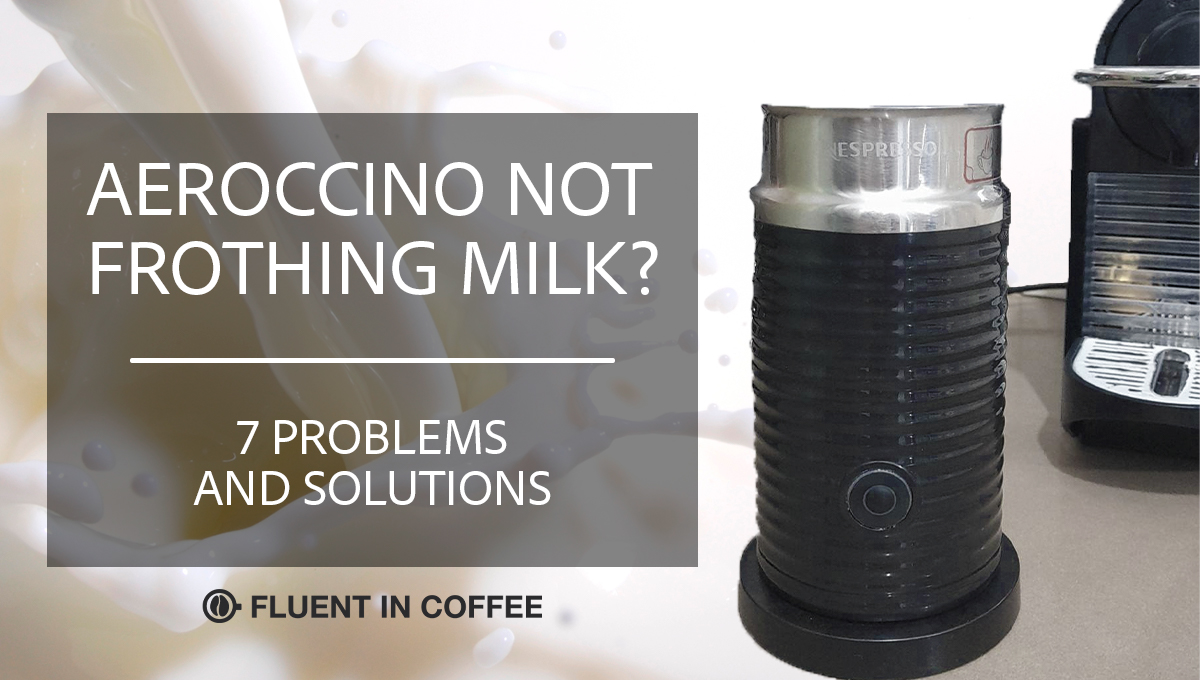
The Aeroccino frother is worth mentioning specifically. Early models had durability problems with the whisk attachment — the thing would fail within a year of regular use. Nespresso redesigned the Aeroccino 4 with a more robust mechanism rather than quietly hoping the complaints would die down. Their recycling program expansion? That came from sustained customer pressure, not a boardroom initiative. Nespresso saw what the community wanted and built toward it.
Their app-connected machines are a weak spot, honestly. Updates have been sporadic. The app experience doesn’t match the hardware quality. But on physical product decisions and service-level choices, Nespresso demonstrates a responsiveness that most brands skip entirely.
De’Longhi — Great Machines, Slower to Adapt
De’Longhi makes objectively excellent hardware. The Dedica, the Dinamica, the La Specialista line — beautifully engineered machines that hold their value and perform consistently without drama. I know people running De’Longhis they bought in 2016 with zero issues.
Their feedback loop is just slower. When the original La Specialista launched, users flagged the tamping mechanism almost immediately. De’Longhi addressed it — but not mid-cycle. They waited for the next generation. The La Specialista Prestigio came out with improved tamping. Good fix. The timeline was longer than Breville would have managed by probably 18 months.
The Dinamica Plus line — their app-connected machines — pulled mixed reviews on the software side. De’Longhi pushed updates, but slowly. The UX improvements never quite kept pace with the hardware complaints piling up in forums.
Here’s the honest take: buy De’Longhi for the machine itself, not for the ongoing relationship. Customer service parts availability is genuinely strong in Europe. In North America, it’s noticeably weaker — something worth knowing before you buy. Where they genuinely excel is build quality and pure set-and-forget reliability. Want a brand that evolves alongside you as your coffee tastes change? De’Longhi probably isn’t it. Want a machine that runs clean for seven years without requiring your attention? De’Longhi delivers that.
The One Brand to Skip If Customer Feedback Matters to You
Keurig belongs at the bottom of your list — at least if brand responsiveness ranks anywhere in your top three buying criteria.
The 2.0 DRM situation isn’t ancient history. It’s a live case study in how not to handle customers. The pod lockout happened. Customers hacked around it. Hacks spread online. Keurig pushed back harder instead of opening the ecosystem. Lawsuits followed. Sales dropped. The reversal eventually came, but it wasn’t graceful — it was reluctant.
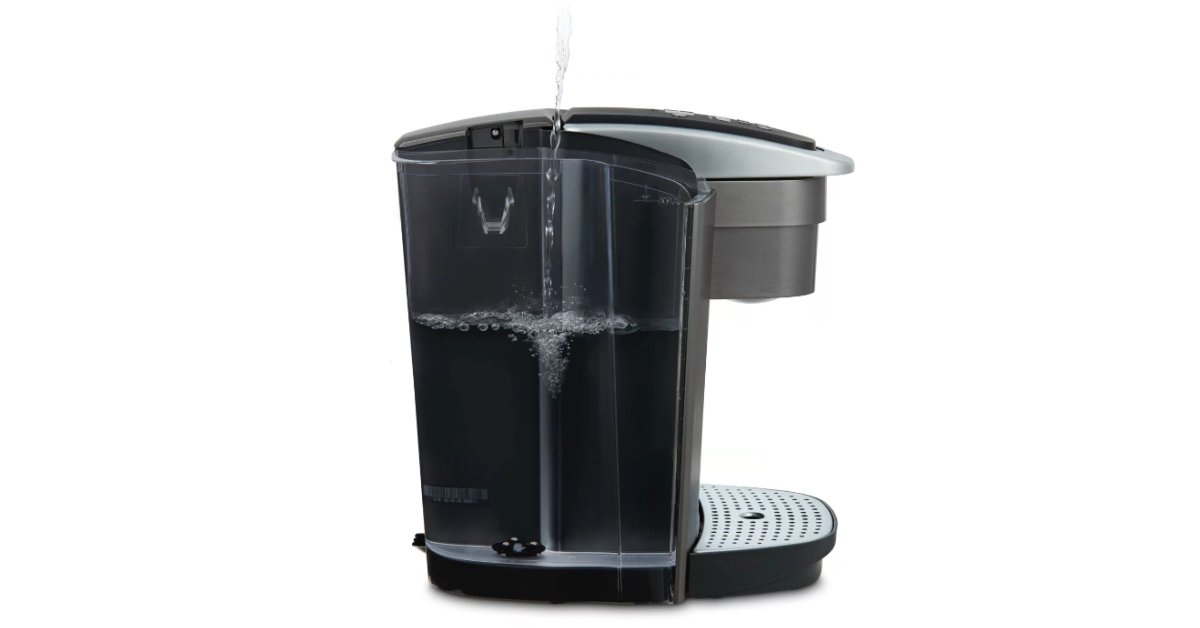
Complaints about plastic taste in brew water have existed for decades. The Supreme line addressed some temperature inconsistencies — that’s real. But most design decisions still visibly prioritize licensing revenue over user experience. You see it in how slowly feature requests move. You see it in how warranty complaints get handled. The pattern is consistent.
If you want a brand that evolves with your needs rather than against them, Keurig doesn’t belong on your shortlist. That’s not a hot take. It’s just what the evidence says.
The brands worth your loyalty aren’t the ones with the biggest ad spend. They’re the ones shipping firmware updates because someone asked for them in a forum thread at 11pm. They’re the ones mailing you a free gasket without requiring a receipt. They’re the ones reading a three-year-old complaint thread and building the fix into next year’s model. Breville does this consistently. Nespresso does it more than you’d expect. De’Longhi does it selectively. Keurig does the opposite.
Your $400 to $1,200 should go to the brands that actually listened. It really is that simple.