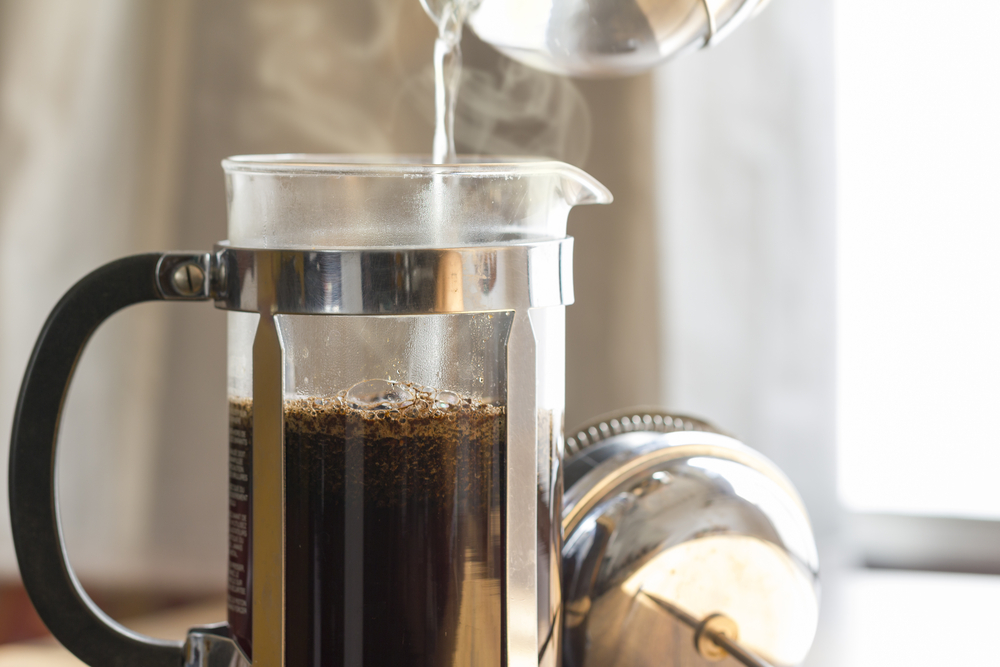
The difference between mediocre French press coffee and exceptional French press coffee often comes down to one thing: grind consistency. A quality grinder transforms your brewing from guesswork into precision, producing the even, coarse particles that French press demands.
French press requires a coarser grind than any other brewing method. Too fine, and you’ll end up with bitter, over-extracted coffee full of sludge. A good grinder gives you control over particle size and, more importantly, consistency—the key to extracting flavor evenly from every ground.
Why You Need a Good Grinder for French Press
Many coffee lovers invest in quality beans but grind them with a cheap blade grinder. This is like buying premium steak and cooking it in a microwave—you’re undermining everything that makes those beans special.
Blade vs Burr Grinders
Blade grinders chop beans randomly, producing a mix of powder and chunks. The fine particles over-extract and become bitter while the large pieces under-extract and taste sour. The result? Muddy, inconsistent coffee with excessive sediment.
Burr grinders crush beans between two abrasive surfaces (burrs) set at a specific distance apart. Every particle comes out roughly the same size, which means even extraction and clean, balanced flavor. For French press, this difference is especially noticeable.
What “Coarse” Actually Means
French press grind should resemble coarse sea salt or raw sugar. You should see distinct particles, not powder. If you rub the grounds between your fingers, they should feel gritty, not smooth.
Most burr grinders have numbered settings. For French press, you’ll typically use settings in the upper third of the range—though exact numbers vary by grinder. Start coarse and adjust finer if your coffee tastes weak.
What to Look for in a French Press Grinder
Burr type: Both conical and flat burrs work well for French press. Conical burrs are more common in home grinders and tend to be quieter with less heat generation. Flat burrs offer marginally more consistency but cost more.
Grind settings: Make sure the grinder has a true coarse setting. Some budget grinders advertised for espresso have limited coarse range. Check reviews specifically mentioning French press performance.
Retention: Grounds that stay trapped in the grinder go stale. Lower retention means fresher coffee. Hand grinders typically have minimal retention; some electric grinders trap several grams between uses.
Ease of cleaning: Coffee oils build up and go rancid. Look for grinders with removable burrs or easy access for cleaning. Plan to deep clean monthly.
Build quality: Cheap plastic housings and flimsy adjustment mechanisms wear out quickly. Quality grinders use metal components where it matters and last for years.
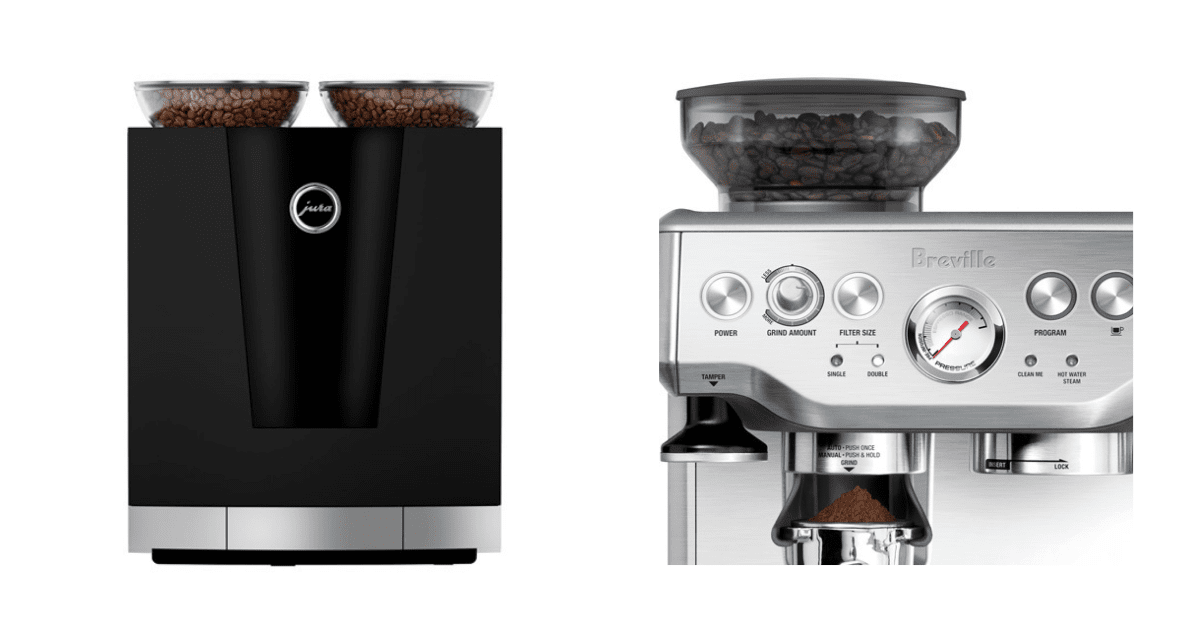
Best Electric Burr Grinders for French Press
1. Baratza Encore ESP — Best Overall ($170-180)
The Baratza Encore has been the go-to recommendation for home coffee enthusiasts for over a decade, and the ESP version refines an already excellent grinder. With 40 grind settings, you have plenty of range to dial in your perfect French press coarseness.
What sets Baratza apart is build quality and repairability. When parts eventually wear out, you can order replacements and install them yourself—these grinders are designed to last. The conical burrs produce consistent coarse grinds with minimal fines.
Pros: Excellent consistency, reliable, repairable, great customer support
Cons: Somewhat noisy, moderate retention
Best for: Daily French press brewers who want quality without complexity
2. Fellow Ode Gen 2 — Best for Filter/French Press ($345)
Unlike most grinders designed primarily for espresso, the Fellow Ode was built specifically for filter and immersion brewing. The 31 grind settings focus on the medium to coarse range, with flat burrs that produce remarkably uniform particles.
The Gen 2 version addressed early complaints about fines production with updated burr geometry. The result is exceptionally clean French press coffee with minimal sediment. The sleek design and quiet operation are bonuses.
Pros: Designed for French press, low retention, beautiful design, quiet
Cons: Expensive, not suitable for espresso
Best for: Serious French press enthusiasts who want the best
3. Baratza Virtuoso+ — Best Mid-Range ($270-300)
The Virtuoso+ is essentially an upgraded Encore with a digital timer, improved motor, and slightly better grind quality. The 40 settings provide excellent range for French press, and the built-in timer helps you grind consistent doses.
The commercial-grade conical burrs are notably quieter than the Encore’s and produce marginally more consistent results. If the Encore is the Honda Civic of grinders, the Virtuoso+ is the Accord.
Pros: Digital timer, quieter operation, excellent consistency
Cons: Price jump from Encore is significant
Best for: Those who want better than entry-level without going premium
4. OXO Brew Conical Burr Grinder — Best Budget Electric ($100-110)
For those not ready to invest in a Baratza, the OXO Brew offers surprisingly good performance at its price point. The 15 main settings with micro-adjustments between them give adequate range for French press.
Grind consistency isn’t quite at Baratza levels, but it’s dramatically better than any blade grinder. The one-touch timer is convenient, and the hopper holds enough beans for several days of brewing.
Pros: Affordable, good performance for price, simple operation
Cons: Less consistent than premium options, plastic construction
Best for: Budget-conscious brewers upgrading from blade grinders
5. Capresso Infinity Plus — Best Under $150 ($140-150)
The Capresso Infinity Plus bridges the gap between budget and mid-range grinders. Its commercial-grade steel conical burrs produce consistent coarse grinds, and the extremely quiet operation is a standout feature.
With 16 grind settings, it has less range than Baratza options but covers French press needs well. The gear reduction motor runs slowly, reducing heat and static—common complaints with cheaper grinders.
Pros: Very quiet, good consistency, reasonable price
Cons: Limited settings, moderate retention
Best for: Those who prioritize quiet operation and value
Best Manual Hand Grinders for French Press
Hand grinders offer excellent value: premium burr quality at lower prices than electric equivalents. The trade-off is effort—grinding enough for French press takes 1-2 minutes of cranking. Many people find this ritual enjoyable; others find it tedious.
1. 1Zpresso JX — Best Overall Hand Grinder ($100-120)
The 1Zpresso JX represents a new generation of hand grinders that rival mid-range electric models in consistency. The 48mm steel burrs produce remarkably uniform coarse grinds, and the adjustment mechanism offers over 40 clicks of range.
Grinding is surprisingly fast—about 30 beans per second with a comfortable, efficient motion. Build quality is excellent, with a hefty aluminum body and precision-machined components. It’s the hand grinder most coffee enthusiasts recommend.
Pros: Excellent consistency, fast grinding, durable construction
Cons: Learning curve for adjustment, pricey for a hand grinder
Best for: Those who want premium quality without premium electric prices
2. Timemore C2/C3 — Best Budget Hand Grinder ($60-80)
Timemore proved that good hand grinders don’t have to cost $100+. The C2 (and updated C3) uses quality steel burrs in an aluminum body, producing surprisingly consistent coarse grinds for French press.
It’s also compact and lightweight—great for travel or small kitchens. The adjustment mechanism isn’t as refined as the 1Zpresso, but for French press (which doesn’t require the precision of espresso), it’s more than adequate.
Pros: Excellent value, portable, decent consistency
Cons: Slower grinding, less refined adjustment
Best for: Budget-conscious buyers, travelers
3. Comandante C40 MK4 — Best Premium Hand Grinder ($280-300)
The Comandante is legendary among coffee enthusiasts. Its proprietary Nitro Blade burrs produce grind consistency that rivals commercial electric grinders. Each click of adjustment makes a noticeable difference in the cup.
Is it worth three times the price of a 1Zpresso? For most French press brewers, probably not—the differences become more apparent with pour-over and espresso. But if you want the absolute best hand grinder available, this is it.
Pros: Exceptional consistency, beautiful craftsmanship, legendary reputation
Cons: Very expensive, long wait times due to demand
Best for: Enthusiasts who want the best regardless of price
4. JavaPresse Manual Grinder — Best Entry-Level ($30-40)
The JavaPresse is often people’s first burr grinder, and while it has limitations, it’s dramatically better than any blade grinder. The ceramic burrs produce reasonably consistent coarse grinds, and the compact size fits anywhere.
Grinding is slower than premium hand grinders, and consistency falls short of the 1Zpresso or Timemore. But for someone testing whether hand grinding suits their routine, it’s a low-risk entry point.
Pros: Very affordable, compact, much better than blade grinders
Cons: Slower, less consistent, ceramic burrs wear faster
Best for: Beginners, those curious about hand grinding
Electric vs Manual: Which Should You Choose?
Choose electric if:
- You brew multiple cups daily
- You value convenience over ritual
- You have counter space
- You dislike physical effort before coffee
Choose manual if:
- You brew 1-2 cups per session
- You enjoy the grinding ritual
- You want maximum quality per dollar
- You have limited space or travel often
- You live with light sleepers (hand grinders are much quieter)
Many serious coffee people own both—an electric for daily use and a hand grinder for travel or weekend single cups.
How to Dial In Your Grinder for French Press
Every grinder is different, so you’ll need to find your optimal setting through experimentation:
Start coarse. Set your grinder to the coarsest setting in its French press range. For most grinders, this is the upper third of available settings.
Brew and taste. Make your coffee using standard technique (4-minute steep, 195-205°F water, 1:15 ratio). Pay attention to the flavor and texture.
Adjust based on taste:
- If coffee tastes weak, sour, or thin → grind finer
- If coffee tastes bitter, harsh, or has excessive sediment → grind coarser
Change one variable at a time. Don’t adjust grind size and brewing time simultaneously, or you won’t know which change helped.
Visual check: Your grounds should look like coarse sea salt. If you see any powder, you’re too fine. If you see obvious chunks, you might be too coarse (though some coarse variation is normal).
Frequently Asked Questions
Can I use a blade grinder for French press?
You can, but results will be inconsistent and inferior. Blade grinders create a mix of powder and chunks. The powder over-extracts (bitter) while chunks under-extract (sour), and you’ll have excessive sediment. If you must use a blade grinder, pulse in short bursts and shake between pulses to redistribute beans.
How often should I clean my grinder?
Brush out loose grounds after each use. Deep clean—removing burrs and cleaning all surfaces—every 2-4 weeks depending on usage. Coffee oils go rancid and can taint fresh beans. You’ll taste the difference after a thorough cleaning.
What’s the ideal grind size for French press?
Coarse, like sea salt or raw sugar. Most burr grinders have markings or recommendations for French press—start there and adjust. The exact setting varies by grinder, bean freshness, and personal taste.
Final Recommendations
For most French press brewers, the Baratza Encore ESP ($170-180) is the sweet spot: excellent consistency, reliable build quality, and a company that stands behind its products. It’s the grinder I recommend to anyone serious about better coffee.
If you prefer hand grinding, the 1Zpresso JX ($100-120) delivers premium grind quality at a fraction of electric prices. It’s fast, consistent, and built to last.
On a budget? The Timemore C2 ($60-80) for hand grinding or OXO Brew ($100-110) for electric both deliver dramatically better results than blade grinders without breaking the bank.
Whatever you choose, remember: a good grinder is the single biggest upgrade you can make to your coffee routine. Your French press will thank you.