
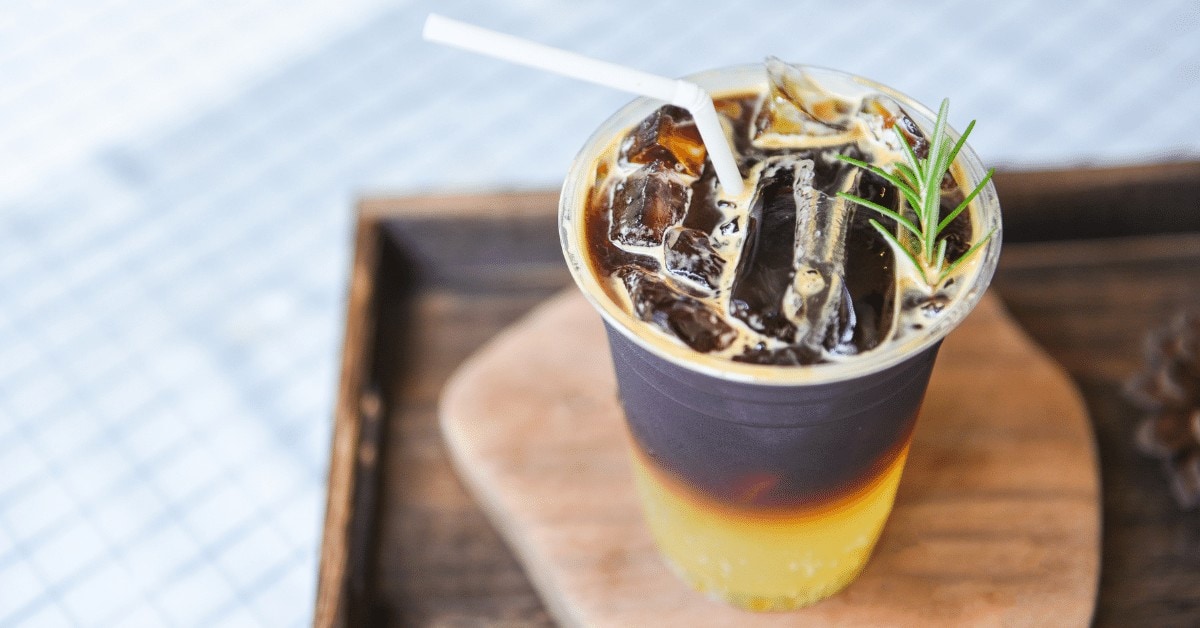
Coffee and orange juice is a cold, layered drink made by pouring espresso over orange juice and ice. It tastes bright, bittersweet, and citrusy—closer to an espresso tonic than coffee with milk. A reliable starting ratio is one double espresso (about 2 oz / 60 ml) to 4 oz / 120 ml orange juice.
Quick recipe: Fill a 10–12 oz glass with ice, add 4 oz orange juice, and slowly pour a cooled double espresso over the back of a spoon. Stir before drinking. Add 1–2 oz tonic or sparkling water if you want a lighter, fizzy version.
| Prep time | 5 minutes |
|---|---|
| Coffee | 2 oz double espresso |
| Orange juice | 4 oz |
| Ice | Fill the glass |
| Optional | Tonic, sparkling water, simple syrup, orange peel |
What Is Coffee and Orange Juice Called?
There is no single universal name. Coffee shops and recipes call it an espresso sunrise, OJ espresso, orange juice espresso, Good Morning, or simply coffee and orange juice. “Sunrise” describes the layered orange-and-brown appearance rather than one standardized recipe.
Some versions add tonic water and overlap with an espresso tonic. Others use cold brew concentrate instead of espresso. The core idea is the same: strong coffee, chilled citrus juice, and ice.
What Does Orange Juice and Coffee Taste Like?
Expect citrus sweetness first, followed by roasted bitterness and a dry finish. The combination works best when the coffee has chocolate, caramel, nut, or mild fruit notes. Very smoky coffee can taste harsh, while a highly acidic light roast can make the drink seem sharp.
Pulp-free orange juice gives the cleanest texture. Fresh juice tastes brighter; carton juice is usually sweeter and more consistent. Neither is automatically better—choose the one you already enjoy drinking.
Coffee and Orange Juice Recipe
Ingredients
- 4 oz (120 ml) chilled orange juice
- 1 double espresso, about 2 oz (60 ml)
- Ice
- Optional: 1–2 oz tonic water or sparkling water
- Optional: 1 teaspoon simple syrup
- Optional garnish: orange wheel, peel, or rosemary sprig
Instructions
- Brew a double espresso. Let it cool for one or two minutes so it does not melt the ice immediately.
- Fill a 10–12 oz glass with ice.
- Pour in 4 oz of cold orange juice.
- For visible layers, hold a spoon just above the juice and slowly pour the espresso over the back. For the simplest version, pour it directly over the ice.
- Add tonic or sparkling water if desired.
- Photograph the layers first, then stir before drinking for balanced flavor.
Ratio: Start with two parts orange juice to one part espresso. If it tastes too bitter, add more juice or a small amount of simple syrup. If it tastes like plain juice, add another half shot of espresso.
Coffee And Orange Juice Sunrise
Equipment
- Espresso machine
Ingredients
- 2 oz espresso coffee freshly brewed
- 4 oz orange juice
- 1 slice of orange (optional)
- 1 sprig of rosemary (optional)
Instructions
- Fill a glass ⅔ of the way with ice
- Pour the orange juice into the glass
- Gently pour the espresso over the orange juice
- Garnish with a slice of orange and a sprig of rosemary (optional)
No Espresso Machine? Use These Alternatives
| Method | Amount | Adjustment |
|---|---|---|
| Moka pot | 2 oz strong coffee | Use the same 2:1 juice-to-coffee ratio |
| AeroPress | 2 oz concentrate | Brew strong, then cool briefly |
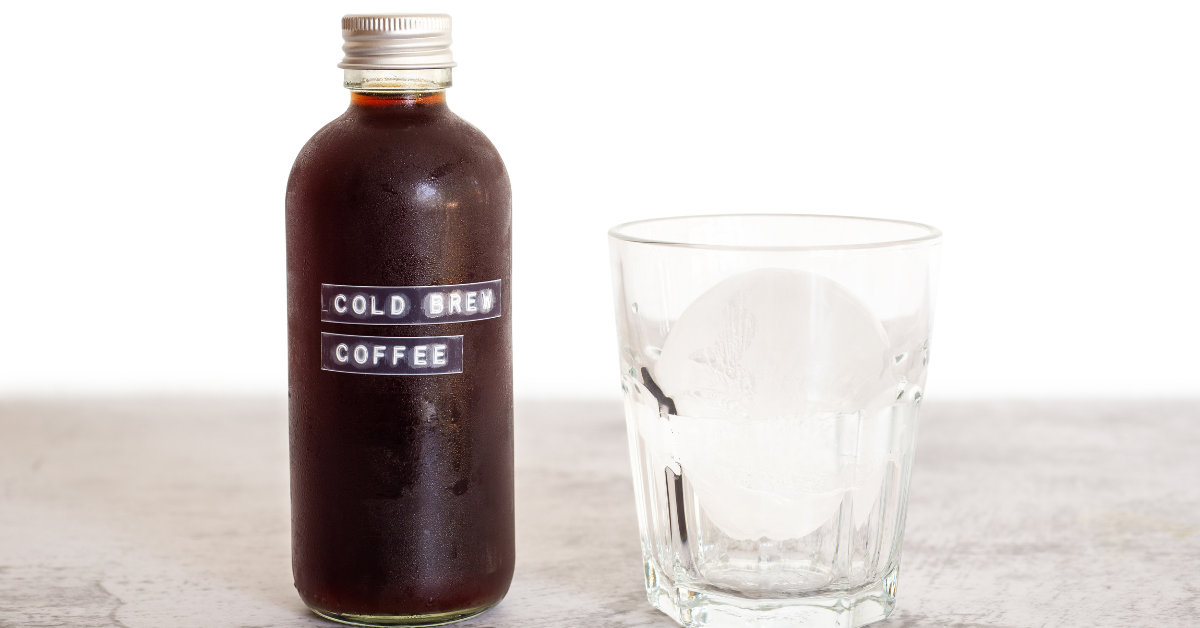
| Cold brew concentrate | 2–3 oz | Add slowly; concentrates vary in strength |
| Instant espresso | 2 oz prepared strong | Dissolve fully and cool before pouring |
| Regular drip coffee | 3–4 oz | Brew stronger than usual; expect less distinct layers |
For a colder variation, use our cold brew concentrate guide. An AeroPress or moka pot also makes a strong enough base.
How to Keep the Layers Separate
- Use cold juice and plenty of ice.
- Let the espresso cool slightly.
- Pour slowly over the back of a spoon.
- Aim the coffee onto an ice cube rather than into the liquid.
- Use pulp-free juice for a clean visual gradient.
The layers are temporary. Density and temperature keep them apart long enough for presentation, but the drink tastes more balanced after stirring.
Best Coffee for an Espresso Sunrise
Use a medium or medium-dark espresso with chocolate, caramel, or nut notes. Those flavors create contrast without stacking too much acidity on top of the orange juice. A fruity light roast can work, but choose one with rounded sweetness rather than sharp sourness.
Fresh coffee matters more than a specific brand. Dial in a shot that tastes balanced on its own; orange juice will not hide severe bitterness or an under-extracted sour shot.
Variations Worth Trying
Espresso, orange juice, and tonic
Add 1–2 oz tonic water after the juice and before the espresso. This makes a longer, drier drink with extra bitterness and carbonation. Use sparkling water instead if tonic tastes too bitter.
Blood orange version
Replace regular orange juice with blood orange juice for deeper color and a slightly tart, berry-like flavor. Taste before adding syrup because sweetness varies widely.
Cold brew and orange juice
Use 2–3 oz cold brew concentrate with 4 oz orange juice. This version is smoother and easier to prepare in a batch, though it lacks the aromatic intensity and crema of fresh espresso.
Should You Add Milk?
No. Orange juice is acidic and can make dairy milk separate or curdle. That may not always be unsafe when every ingredient is fresh, but the texture is usually unpleasant. Oat and other plant milks can also separate. If you want a creamy orange coffee, use orange zest or a small amount of orange syrup in a latte instead of pouring juice into milk.
Is Coffee and Orange Juice Bad for Your Stomach?
Both coffee and orange juice are acidic, so the combination may feel uncomfortable for people who already notice reflux, heartburn, or stomach irritation from either drink. Mixing them does not create a new toxic substance. Start with a small serving, drink it with food if that is more comfortable, and skip it if it consistently causes symptoms.
Frequently Asked Questions
Do you stir coffee and orange juice?
Yes. Keep it layered for presentation, then stir before drinking so every sip contains both coffee and juice.
Can you use hot coffee?
You can pour freshly brewed espresso over plenty of ice and cold juice. Let larger amounts of hot brewed coffee cool first so they do not melt all the ice and dilute the drink.
Can you make it ahead?
Prepare the coffee ahead and chill it, but assemble the drink immediately before serving. Premixing dulls the layered appearance and makes ice dilution harder to control.
For another citrus-coffee combination, try espresso with lemon.



It’s a strange combination but surprisingly it worked for me. +1
SO freshh
Not bad, but not really my cup of tea. My friends loved it tho
great!!!
OMG its delicious!