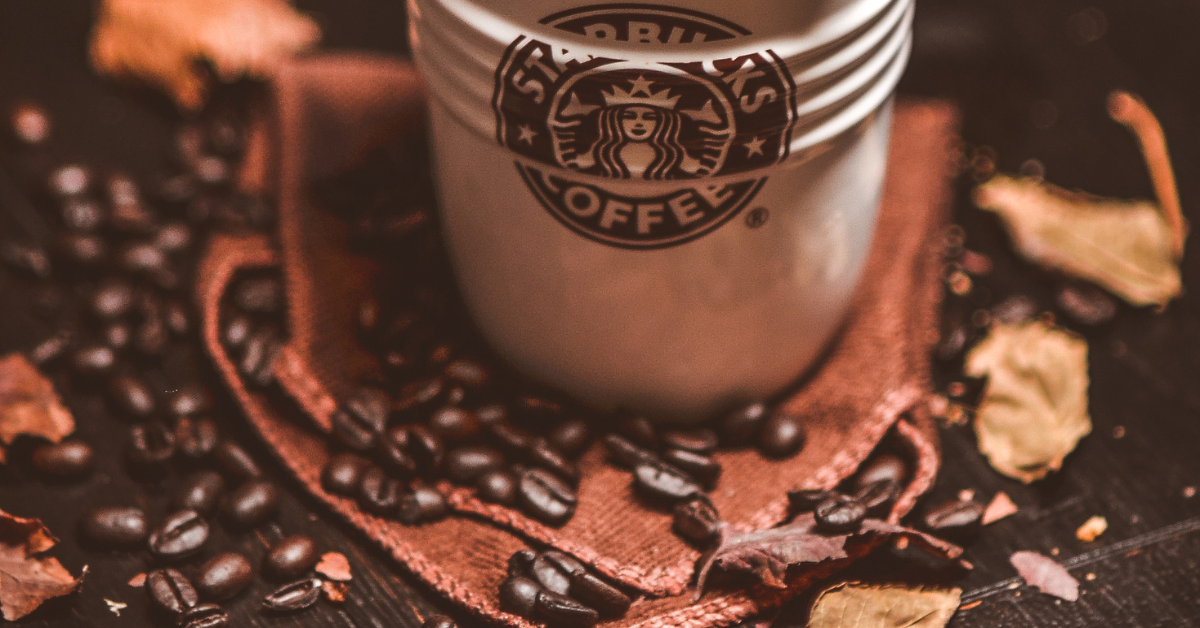
Starbucks Pike Place Roast whole bean is the best Starbucks coffee for most drip brewers. It occupies the middle of the company’s roast range, with a smoother, more balanced profile than French Roast or Espresso Roast and more roast character than Veranda Blend. Choose Veranda for a mellow light roast, Caffè Verona for cocoa-like dark-roast flavor, Sumatra for earthy intensity or Blonde Espresso Roast for brighter espresso.
There is no objective “best” roast for every person. This guide compares products in Starbucks’ current U.S. at-home catalog using manufacturer roast category, documented flavor profile, available format and brewing fit. These are specification-based editorial recommendations, not claims that every coffee was blind-tasted side by side.
Disclosure: Fluent in Coffee may earn a commission from qualifying purchases through some links on this page, at no extra cost to you. Product selection is based on suitability, not commission rate.
Best Starbucks Coffee Beans: Quick Comparison
| Coffee | Roast | Best for | Flavor direction |
|---|---|---|---|
| Pike Place Roast | Medium | Best everyday drip coffee | Balanced, smooth, cocoa and praline |
| Veranda Blend | Blonde | Mellow light-roast drinkers | Soft, approachable, gently roasty |
| Breakfast Blend | Medium | Brighter morning coffee | Lively and lighter than Pike Place |
| Caffè Verona | Dark | Dark roast without maximum smokiness | Roasty sweetness and cocoa |
| Sumatra | Dark | Earthy, herbal coffee | Full-bodied and savory |
| French Roast | Dark | Darkest, smoky profile | Dark caramel and sweet smoke |
| Espresso Roast | Dark | Traditional espresso and milk drinks | Robust, caramelized |
| Blonde Espresso Roast | Blonde | Bright espresso and shaken drinks | Balanced, mellow, fruit-and-chocolate notes |
How We Chose Current Starbucks Coffees
Starbucks sells the same name in whole bean, pre-ground, K-Cup and capsule formats, but not every roast comes in every format. A listing for “Pike Place” is not automatically a bag of whole beans. Confirm the format and bag size before buying.
We prioritized:
- coffee currently shown in Starbucks’ official whole-bean catalog;
- a distinct role across blonde, medium, dark and espresso roasting;
- clear manufacturer flavor or origin documentation;
- roasts suited to common home methods;
- repeatable core products rather than seasonal or discontinued blends.
Starbucks states that its packaged coffee uses arabica beans. Roast level changes flavor and density, but the words blonde, medium and dark do not predict which coffee you personally will prefer.
1. Pike Place Roast: Best Overall
Pike Place is the safest starting point for someone who wants a familiar Starbucks cup at home. It is a medium roast with more balance than the company’s darkest coffees and enough roast development to work with a splash of milk. Whole-bean availability lets you grind specifically for drip, pour-over or French press.
Choose it if: several people share one bag, you make ordinary drip coffee or you do not yet know your preferred roast.
Skip it if: you specifically want bright light-roast acidity or smoky dark-roast flavor.
Check the current Pike Place format and bag size. Starbucks’ whole-bean catalog confirms current availability.
2. Veranda Blend: Best Mellow Blonde Roast
Veranda Blend sits at the gentler end of Starbucks’ lineup. Blonde beans spend less time roasting than dark coffees, which reduces heavy roast character and lets a softer profile come forward. It is useful for drinkers who find French Roast charred or Pike Place heavier than desired.
Choose it if: you drink coffee black, prefer a mellow cup or want a lighter Starbucks roast for pour-over.
Skip it if: the coffee must remain bold through substantial cream, syrup or ice.
Check the selected Veranda format; whole bean and ground are different listings.
3. Breakfast Blend: Best Brighter Medium Roast
Breakfast Blend is categorized as medium roast in the current whole-bean catalog, but it provides a livelier alternative to Pike Place. It fits the shopper who wants an everyday pot without moving all the way to Blonde Roast.
Choose it if: you want a lighter-feeling morning drip coffee with enough roast character to remain familiar.
Skip it if: you want the deepest chocolate, smoke or espresso-style intensity.
Check Breakfast Blend availability and format.
4. Caffè Verona: Best Balanced Dark Roast
Caffè Verona is a useful bridge between a medium roast and Starbucks’ smokiest coffees. It provides dark-roast body and cocoa-like character without making “darkest possible” the objective. That profile pairs naturally with chocolate desserts and modest milk.
Choose it if: you like dark coffee but do not want French Roast’s pronounced smoke.
Skip it if: you want bright fruit character or a light-bodied black coffee.
Check the current Caffè Verona whole-bean listing.
5. Sumatra: Best Earthy Dark Roast
Starbucks Sumatra is the pick for someone who wants an earthy, herbal and full-bodied dark roast rather than a straightforward smoky profile. Its character is more polarizing than Pike Place, which is precisely why it should be chosen intentionally rather than ranked as universally better.
Choose it if: you enjoy savory, earthy coffee and use a French press or full-bodied drip method.
Skip it if: you prefer clean citrus, delicate florals or gentle breakfast coffee.
Check whether the selected Sumatra bag is ground or whole bean.
6. French Roast: Best for Maximum Smokiness
Starbucks describes French Roast as its darkest roast, with dark-caramel and sweet-smoke notes. It is relatively light-bodied despite the very dark roast appearance. This is the right pick only when heavy roast flavor is the goal.
Choose it if: you enjoy smoke, char and dark caramel or add enough cream and sugar to soften them.
Skip it if: you equate “premium” with subtle origin flavor. Very dark roasting intentionally emphasizes the roast.
Check the current French Roast whole-bean listing and compare Starbucks’ official flavor description.
7. Espresso Roast: Best Traditional Espresso
Espresso Roast is Starbucks’ classic dark espresso blend, designed to keep a robust, caramelized coffee presence in lattes, mochas and cappuccinos. It can also be brewed as drip coffee; “espresso” on a bag describes intended flavor and use, not a rule that the beans only work in an espresso machine.
Choose it if: you pull espresso for milk drinks or want a dark moka-pot coffee.
Skip it if: you prefer bright straight shots or lightly roasted pour-over.
Check the selected Espresso Roast format.
8. Blonde Espresso Roast: Best Bright Espresso
Blonde Espresso Roast is the alternative for espresso drinkers who dislike a heavy roasty edge. Starbucks currently describes the whole bean as mellow and balanced, sourced from Latin America and East Africa, with 18 grams suggested for a double espresso.
Choose it if: you drink espresso or Americanos straight, make shaken espresso or want lighter roast character in milk.
Skip it if: you expect espresso to taste smoky and strongly caramelized.
See Starbucks’ current Blonde Espresso whole-bean specifications.
Which Starbucks Roast Should You Buy?
- For a balanced drip pot: Pike Place.
- For gentle black coffee: Veranda Blend.
- For a lively medium roast: Breakfast Blend.
- For cocoa-like dark roast: Caffè Verona.
- For earthy full body: Sumatra.
- For maximum smoke: French Roast.
- For traditional milk-based espresso: Espresso Roast.
- For brighter espresso: Blonde Espresso Roast.
Whole Bean or Ground?
Buy whole bean when you own a burr grinder and can match grind size to the brewer. Grinding immediately before brewing preserves aroma and lets one bag serve drip, pour-over and French press after adjustment.
Buy pre-ground when convenience matters more and the package grind matches your method. Do not use ordinary drip-ground coffee in a non-pressurized espresso basket and expect consistent shots. Our overview of coffee brewing methods explains how grind and contact time interact.
How to Get Better Results From Packaged Beans
- Check the format, roast and bag size before ordering.
- Buy an amount you can finish while aromatic rather than the cheapest oversized bag.
- Store the closed bag in a cool, dark, dry cabinet.
- Measure coffee and water by weight for repeatability.
- Adjust grind before changing the dose dramatically.
- Use fresh, appropriately mineralized water and clean equipment.
Starbucks Coffee Beans FAQ
What is the smoothest Starbucks coffee?
Pike Place is a balanced medium-roast starting point, while Veranda is lighter and mellower. “Smooth” is subjective: dark-roast drinkers may find Caffè Verona smoother than a bright blonde roast.
Which Starbucks beans are best for espresso?
Use Espresso Roast for a robust, traditional shot that cuts through milk or Blonde Espresso Roast for a brighter, lighter-bodied shot. Both are currently available as whole bean.
Does dark roast have more caffeine?
Roast color alone does not determine cup caffeine. Dose by mass, bean density, variety, brewing method and serving size all matter. Compare equal recipes instead of assuming darker means stronger.
Are Starbucks beans arabica?
Starbucks states that its packaged roast lineup uses arabica coffee. Individual blend origins vary, so check the current product page for a specific coffee.
Is Starbucks Brazil Blend still available?
It is not listed in the current U.S. whole-bean catalog reviewed for this guide, so it is no longer a main recommendation. Marketplace stock may be old or market-specific.
Bottom Line
Start with Pike Place whole bean for versatile everyday drip coffee. Move lighter to Veranda or Blonde Espresso when you want mellow, brighter flavor; move darker to Caffè Verona, Sumatra or French Roast when you want cocoa, earth or smoke. For an espresso machine, choose classic Espresso Roast for milk drinks and Blonde Espresso Roast for brighter shots.