Pour-over coffee can seem intimidating. There’s a whole ritual to it—special kettles, precise timing, pouring in circles. Watch a YouTube video and you’ll think you need to be a certified barista to make a decent cup.
Here’s the truth: pour-over is simple. The basics take five minutes to learn. The details take years to perfect, but you don’t need perfection to make great coffee at home.
Let’s cut through the mystique and talk about which pour-over makers actually work for normal people.
Why Pour-Over at All?
Pour-over produces clean, nuanced coffee that highlights the bean’s flavor. Unlike French press (which is heavy and full-bodied) or drip machines (which are convenient but inconsistent), pour-over gives you control over every variable.
The tradeoff: it requires attention. You can’t set it and forget it. Each cup takes 3-4 minutes of active involvement.
If that sounds annoying, stick with your drip machine. If it sounds appealing—a small morning ritual that produces excellent coffee—read on.
Best for Beginners: Hario V60
Price: ~$10-30 (depending on material)
The V60 is iconic for a reason. The cone shape and spiral ridges produce excellent extraction. It’s been the standard for pour-over for decades.
But wait—isn’t the V60 supposed to be difficult? Isn’t there a whole technique thing?
Kind of. The V60 is less forgiving than some other options. But “less forgiving” means “more sensitive to technique,” not “impossible to use.” If you pour water on coffee grounds, you’ll get coffee. It might not be perfect, but it’ll still be better than most drip machines.
The plastic V60 is $10 and functionally identical to the ceramic version. It’s also nearly indestructible. I’d start there.
Technique basics:
- Medium-fine grind (like table salt)
- Rinse the paper filter before adding coffee
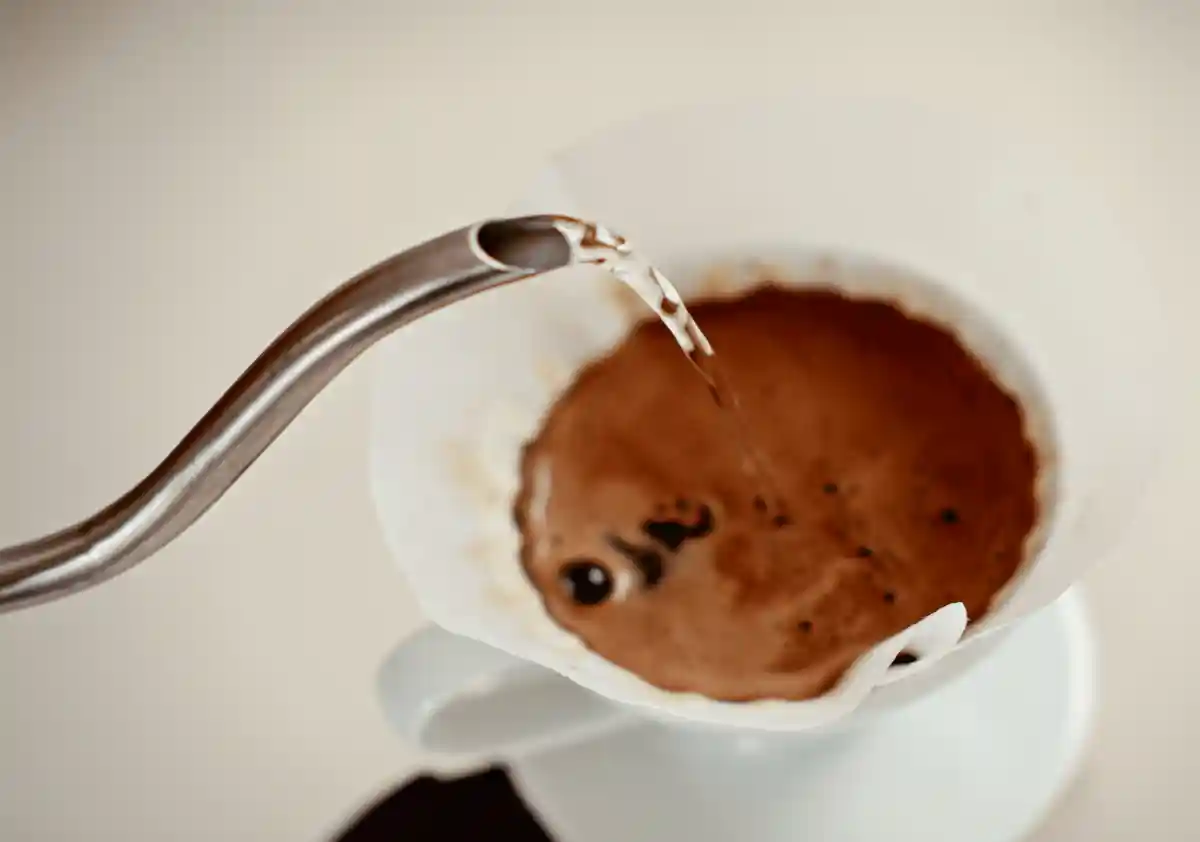
- Add coffee, pour just enough water to wet the grounds, wait 30 seconds (blooming)
- Pour the rest slowly in circles, keeping the water level consistent
- Total brew time: 2:30-3:30
Best for: People who want to learn proper pour-over technique and don’t mind a learning curve.
Most Forgiving: Kalita Wave
Price: ~$25-40
If the V60’s technique sensitivity worries you, the Kalita Wave is more forgiving.
The flat-bottom design with three small drain holes means water drains more slowly and consistently than the V60. Your pour technique matters less because the bed of coffee stays more level throughout the brew.
I’ve made excellent coffee with sloppy pours on a Kalita Wave. Try the same thing with a V60 and you’ll taste the difference. The Wave smooths out your mistakes.
The wavy filters also keep the coffee bed from contacting the walls, which improves extraction consistency. They’re more expensive than V60 filters, which is annoying.
Downsides: Proprietary filters that cost more than V60 filters. Less control for those who want to experiment with technique.
Best for: People who want good pour-over without obsessing over technique.
Best for Multiple Cups: Chemex
Price: ~$45-55
The Chemex is beautiful. It looks like it belongs in a museum (and it is, literally—it’s in MoMA’s permanent collection). But it’s also functional.
The main advantage: capacity. A standard Chemex makes 6-8 cups, which is ideal if you’re serving multiple people or want to make a batch and drink it throughout the morning.
Chemex filters are thick, which produces an exceptionally clean cup—cleaner than V60, cleaner than anything except maybe the Toddy cold brew. Some people find it too clean, lacking body. Others find it refined and delicate.
The glass is fragile and the wood collar/leather tie can wear out over time. There’s also no handle on the standard version, which means pouring when it’s full and hot requires care.
Downsides: Fragile glass. Expensive proprietary filters. Less body in the resulting coffee.
Best for: Entertaining, morning batches, and people who appreciate beautiful objects.
Best One-Cup: Melitta Pour-Over Cone
Price: ~$8
I almost didn’t include this because it’s so basic. But sometimes basic is what you need.
Melitta invented paper filter coffee in 1908. Their modern cone dripper is plastic, simple, and sits on top of a mug. It uses standard #2 or #4 cone filters that cost almost nothing.
The coffee is good—not exceptional, but good. It’s predictable and easy. No learning curve, no technique, just pour water and get coffee.
Downsides: Less nuanced than V60 or Kalita. Plastic feels cheap. Only makes one cup at a time.
Best for: People who want pour-over simplicity without pour-over investment.
What About Gooseneck Kettles?
You’ll see people insisting you need a gooseneck kettle for pour-over. They’re not wrong—a gooseneck gives you precise control over pour rate and placement.
But you don’t need to buy one immediately. A regular kettle works. You just have less control and might pour too fast. As you get more into pour-over, a gooseneck becomes more valuable.
If you do want one, the Fellow Stagg EKG ($150) is excellent but expensive. The Bonavita Variable Temperature ($60) is the value choice. Amazon has no-name options for $25-30 that work fine.
Other Equipment That Helps
A scale: Weighing coffee and water produces more consistent results than measuring by volume. Any kitchen scale works. Dedicated coffee scales have timers built in but aren’t necessary.
A burr grinder: Pre-ground coffee can work, but fresh-ground is noticeably better. See my grinder recommendations in another article.
A timer: Your phone works. Brew time affects extraction—too fast is sour, too slow is bitter. Tracking time helps you troubleshoot.
My Recommendation for Most People
Start with a Kalita Wave and cheap paper filters. It’s forgiving enough that you’ll make good coffee while learning, and the flat-bottom design is hard to mess up.
If you get into the hobby and want more control, add a V60 to your collection. Different pour-overs for different moods.
If you often make coffee for others, the Chemex is worth considering for its capacity and aesthetic.
And whatever you choose—the equipment matters less than fresh-roasted beans and a decent grinder. Start there, and any pour-over device will produce good results.