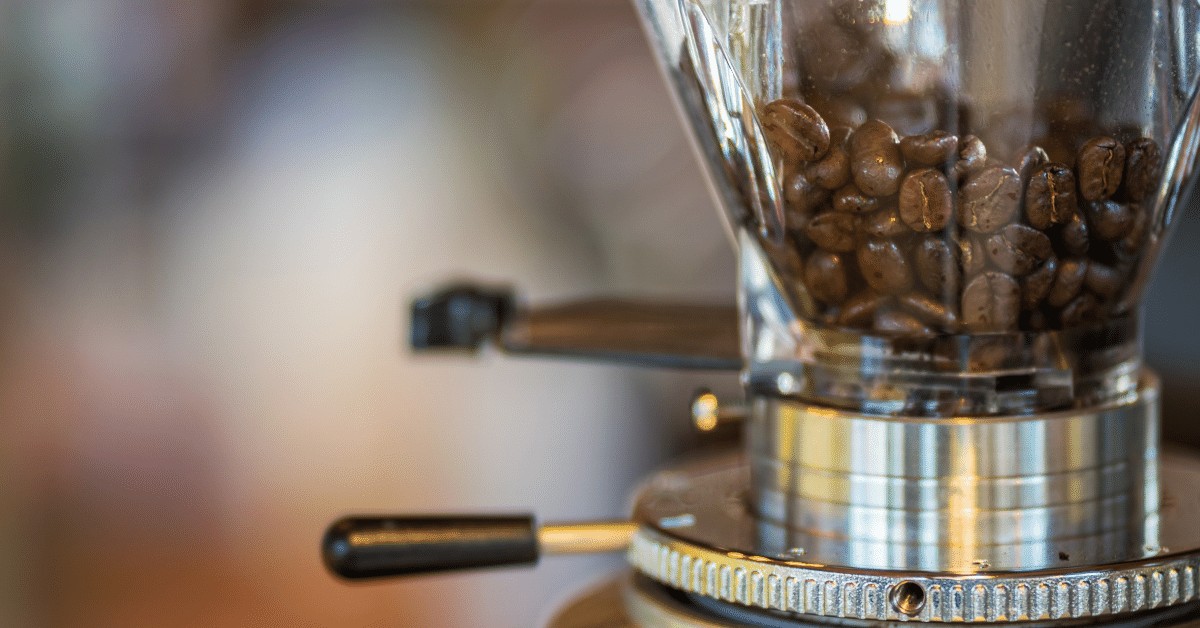
I used a blade grinder for years because I didn’t know any better. Then I bought a burr grinder, and it was like someone had been putting coffee through a distortion filter my whole life.
But here’s the thing—you don’t need to spend $200 on a grinder to get better coffee. There are solid electric grinders under $50 that will dramatically improve your morning cup.
I tested five of the most popular budget grinders over the past month. Here’s what I found.
Why Your Grinder Matters More Than Your Coffee Maker
Quick coffee science lesson: extraction depends on surface area. When you grind coffee, you’re creating more surface area for water to extract flavor from.
The problem with cheap blade grinders is inconsistency. You end up with some powder-fine particles and some chunky bits. The powder over-extracts (bitter), the chunks under-extract (sour), and you get muddy coffee that tastes like neither.
A decent grinder gives you consistent particle size. Consistent particles mean even extraction. Even extraction means better coffee.
That’s it. That’s the whole secret.
What I Tested
I focused on electric grinders under $50 because that’s what most people are willing to spend. I used each one for a week, grinding for drip coffee, French press, and pour-over.
I evaluated based on:
- Grind consistency (the most important factor)
- Range of grind sizes
- Ease of use and cleaning
- Build quality
- Noise level
Best Overall Under $50: Cuisinart DBM-8 Supreme Grind
Price: ~$45
The DBM-8 has been around forever, and there’s a reason it keeps selling. It’s a burr grinder that actually works at this price point.
The grind consistency is surprisingly good—not as uniform as a $150 Baratza, but noticeably better than blade grinders. I got usable results for drip, pour-over, and French press. The coarse settings are legitimately coarse, which is often where cheap grinders fail.
The hopper holds about 8 oz of beans, and there’s a chamber that catches grounds for up to 18 cups. I found the chamber slightly annoying because grounds stick to it and make a mess when you remove it.
Noise level is moderate—it won’t wake the whole house, but it’s not quiet either.
Downsides: Static is an issue. Grounds cling to everything. The grind chamber is awkward to clean. And don’t even think about espresso—it can’t grind fine enough.
Best for: Drip and pour-over brewers who want real burr grinding on a budget.
Best for French Press: Capresso Infinity (Used/Refurbished)
Price: ~$40-50 refurbished (new is $80+)
Okay, this is technically cheating because the Infinity costs $80+ new. But you can frequently find refurbished units on Amazon or eBay for under $50, and it’s worth mentioning because it’s significantly better than anything else in this price range.
The Infinity has 16 grind settings and produces remarkably consistent grounds. The conical burrs are quieter than flat burrs, and the whole machine feels more substantial than the Cuisinart.
I particularly liked it for French press because the coarse settings are actually coarse and consistent. No fines sneaking through into your cup.
Downsides: Hard to find at $50 unless you go refurbished. The grind chamber is also prone to static.
Best for: Anyone who can find a refurbished unit and primarily brews French press or cold brew.
Best Budget Option: Hamilton Beach Fresh Grind
Price: ~$20
This is a blade grinder, and I already told you blade grinders aren’t great. But if $20 is your absolute max, this is the blade grinder to get.
The motor is powerful enough to grind beans quickly, which helps with consistency. The pulse/grinding technique matters more with blade grinders—short bursts, shake the grinder between pulses, and you can get reasonably even results.
It’s also dead simple. One button. No settings to mess with. Fill it with beans, grind, done.
Downsides: It’s a blade grinder. Consistency will never match a burr grinder. Also loud and generates heat, which isn’t great for the beans.
Best for: Beginners on a tight budget who just want something better than pre-ground.
Best Compact: SHARDOR Electric Burr Grinder
Price: ~$35
If counter space is limited, the SHARDOR might work for you. It’s compact and grinds directly into a small container that fits underneath.
The grind quality is acceptable but not as good as the Cuisinart. I noticed more inconsistency at the coarser settings. Medium settings for drip were fine.
What I liked: the small footprint, the easy cleaning (the top burr removes easily), and the relatively quiet operation.
Downsides: Small hopper (only holds enough for about 12 cups). Grind consistency drops off at coarse settings. Feels a bit cheap.
Best for: Small kitchens or apartments where counter space is precious.
One to Skip: JavaPresse Manual Burr Grinder
Price: ~$40
This keeps showing up in “best budget grinder” lists, so I tested it. It’s a hand grinder, which means no electricity but also no speed.
Grinding enough beans for one cup takes 3-4 minutes of cranking. That sounds fine until you’re actually doing it every morning. By day three, I was exhausted and annoyed.
The grind consistency is okay—better than blade grinders—but the time investment ruins it for daily use. Maybe if you’re camping.
Skip unless: You genuinely enjoy meditative morning rituals or need something for travel.
How to Get Better Results from Budget Grinders
Grind immediately before brewing. Coffee goes stale fast once ground. Even a mediocre grinder will outperform pre-ground that’s been sitting for weeks.
Start with the medium setting. Most budget grinders are optimized for medium. Adjust from there based on taste—if your coffee is bitter, go coarser; if it’s sour, go finer.
Clean the burrs monthly. Old grounds stuck in the burrs go rancid and make everything taste off. A brush and quick wipe-down helps.
Don’t overfill the hopper. Beans sitting in the hopper go stale. Only put in what you’ll grind immediately.
Use the right amount. About 2 tablespoons (10-12g) per 6 oz cup for drip. Adjust to taste.
When to Spend More
If you primarily make espresso, skip budget grinders entirely. Espresso requires extremely fine, extremely consistent grinding. The cheapest grinder that can do espresso adequately is the Baratza Encore (~$170), and even that’s entry-level for espresso.
If you’re deep into pour-over and want to dial in specific recipes, you’ll eventually want something with more grind settings and better consistency. The Baratza Encore or OXO Brew Conical Burr Grinder ($100) are good next steps.
But for everyday drip coffee and French press? A sub-$50 grinder will serve you well for years.
My Recommendation
Get the Cuisinart DBM-8 if you can afford the $45. It’s the best balance of price and performance in this range.
If you find a refurbished Capresso Infinity under $50, grab it immediately.
If $20 is really your limit, the Hamilton Beach blade grinder will still be better than pre-ground—just master the pulse technique.
And whatever you buy, start grinding your own beans. That single change will improve your coffee more than any other upgrade you could make.