French press brewing creates some of the richest, most full-bodied coffee you can make at home. The metal mesh filter allows natural oils and fine particles to pass through, producing a dense, flavorful cup that paper-filtered methods simply cannot match. But not all coffee beans are created equal when it comes to French press brewing.
The best coffees for French press share certain characteristics: bold flavor profiles that can stand up to full immersion extraction, medium to dark roasts that develop rich body, and origins known for lower acidity and chocolatey or earthy notes. In this guide, we’ll cover everything you need to know about selecting the perfect beans for your French press.
What Makes Coffee Great for French Press Brewing
French press is an immersion brewing method, meaning the coffee grounds steep directly in hot water for several minutes before being separated by the plunger. This extended contact time extracts more oils, compounds, and flavors than drip or pour-over methods.
Full-bodied coffees shine in French press because the metal mesh filter retains the coffee’s natural oils, which carry much of the flavor and create that characteristic heavy mouthfeel. Lighter, more delicate coffees can taste muddy or overwhelming when brewed this way.
Medium to dark roasts work best because they’ve developed more soluble compounds during roasting. These roasts produce the rich, bold flavors that French press brewing is known for, without the sourness that lighter roasts can develop during long extraction.
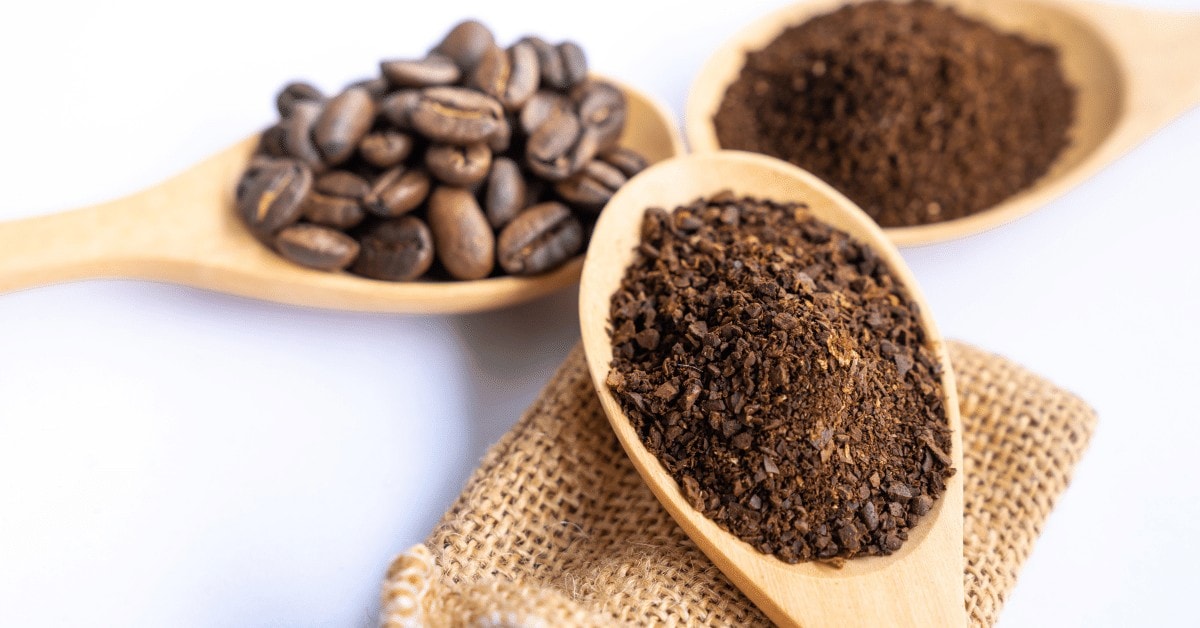
Coarse grinding is essential. Fine grounds will over-extract and slip through the mesh filter, creating bitter, sludgy coffee. Always use a coarse, even grind—roughly the texture of sea salt.
Freshness matters more than you might think. Coffee beans begin losing volatile flavor compounds immediately after roasting. For French press, aim to use beans within 2-4 weeks of their roast date.
Best Coffee Origins for French Press
While you can technically use any coffee in a French press, certain origins consistently produce better results due to their natural flavor profiles:
Sumatra
Indonesian Sumatran coffees are arguably the quintessential French press beans. Their earthy, chocolatey, and herbal notes complement immersion brewing perfectly. The naturally low acidity means you won’t get the sharpness that some origins develop with long extraction. Look for Mandheling or Gayo varieties.
Brazil
Brazilian coffees offer nutty, sweet, chocolatey profiles that are smooth and forgiving in French press. They’re often the base of espresso blends for good reason—that rich, balanced character translates beautifully to immersion brewing. Great for everyday drinking.
Colombia
Colombian beans provide balanced, caramel-forward cups with mild fruit notes. They’re versatile and consistent, making them an excellent choice if you’re new to French press or want something crowd-pleasing.
Ethiopia (Natural Process)
While Ethiopian coffees are famous for their bright, fruity character, natural (dry) processed Ethiopian beans can work beautifully in French press. The extended fruit contact during processing creates wine-like, berry notes that add complexity without excessive acidity.
Guatemala
Guatemalan coffees offer chocolatey, nutty, and subtly spicy profiles with balanced sweetness. The high-altitude growing conditions produce dense beans that extract evenly and develop rich body in French press.
Our Top 8 French Press Coffee Recommendations
1. Peet’s Major Dickason’s Blend — Best Overall
Price: ~$12-15 for 12oz
Roast: Dark
Tasting Notes: Rich, complex, full-bodied with hints of smoke
Peet’s Major Dickason’s has been a French press favorite for decades. This complex blend was specifically designed for full extraction brewing methods. The combination of Indonesian and Latin American beans creates a bold, multilayered cup that never tastes burnt or bitter. If you only try one coffee from this list, make it this one.
2. Counter Culture Forty-Six — Best for Beginners
Price: ~$15-17 for 12oz
Roast: Medium
Tasting Notes: Chocolate, caramel, molasses
Named for the 46th parallel where many great coffees grow, this blend is remarkably forgiving. Even if your grind isn’t perfect or you steep a bit too long, Forty-Six produces a sweet, balanced cup. The medium roast keeps things approachable while still delivering the body French press lovers want.
3. Stumptown Hair Bender — Best Medium Roast
Price: ~$16-18 for 12oz
Roast: Medium
Tasting Notes: Citrus, dark chocolate, caramel
Portland’s Stumptown created Hair Bender as an espresso blend, but it shines in French press. The combination of Latin American and African beans produces a cup with enough complexity to be interesting while remaining smooth and balanced. The citrus notes add brightness without acidity.
4. Lavazza Super Crema — Best Budget Option
Price: ~$18-22 for 2.2lbs
Roast: Medium
Tasting Notes: Honey, almond, dried fruit
Don’t let the “espresso blend” label fool you—Lavazza Super Crema makes excellent French press coffee. This Italian blend offers remarkable value: smooth, sweet, and complex enough to drink black. The larger bag size makes it economical for daily brewing.
5. Death Wish Coffee — Best Dark Roast
Price: ~$20 for 16oz
Roast: Dark
Tasting Notes: Bold, cherry, chocolate
If you want maximum intensity, Death Wish delivers. Known for its high caffeine content, this dark roast also packs serious flavor. The slow roasting process develops rich cherry and chocolate notes without the bitter, burnt taste of cheaper dark roasts. Perfect for those who like their coffee strong.
6. Volcanica Sumatra Mandheling — Best Single Origin
Price: ~$18-22 for 16oz
Roast: Medium-Dark
Tasting Notes: Earthy, herbal, dark chocolate
This is the classic French press single-origin coffee. Sumatran Mandheling’s naturally low acidity and earthy complexity make it ideal for immersion brewing. Volcanica sources high-quality beans and roasts to order, so freshness is never a concern. A must-try for any French press enthusiast.
7. Blue Bottle Giant Steps — Best Premium Option
Price: ~$18-20 for 12oz
Roast: Medium
Tasting Notes: Cocoa, roasted marshmallow, stone fruit
Blue Bottle’s flagship blend justifies its premium price. Giant Steps changes seasonally as they source the best available beans, but it consistently delivers a sweet, complex cup with remarkable depth. The focus on freshness means you’re getting beans at their peak flavor.
8. Cafe Don Pablo Subtle Earth Organic — Best Organic
Price: ~$15-18 for 2lbs
Roast: Medium-Dark
Tasting Notes: Mild, chocolatey, smooth
For organic coffee that doesn’t sacrifice flavor, Cafe Don Pablo delivers. This Honduran single-origin is USDA Organic certified and shade-grown. The low acidity and chocolate-forward profile make it excellent for French press, while the large bag size offers great value for daily drinkers.
How to Brew the Perfect French Press Coffee
Having great beans is only half the equation. Here’s how to get the most from your French press:
Ratio: Use 1 gram of coffee for every 15 grams of water (roughly 1:15). For a standard 34oz French press, that’s about 56 grams (8 tablespoons) of coffee.
Grind: Coarse and consistent—like sea salt or breadcrumbs. Uneven grinds lead to both over and under-extraction.
Water Temperature: 195-205°F (90-96°C). If you don’t have a thermometer, let boiling water rest for 30-60 seconds before pouring.
Steep Time: 4 minutes. Shorter times produce weak coffee; longer times become bitter. Set a timer.
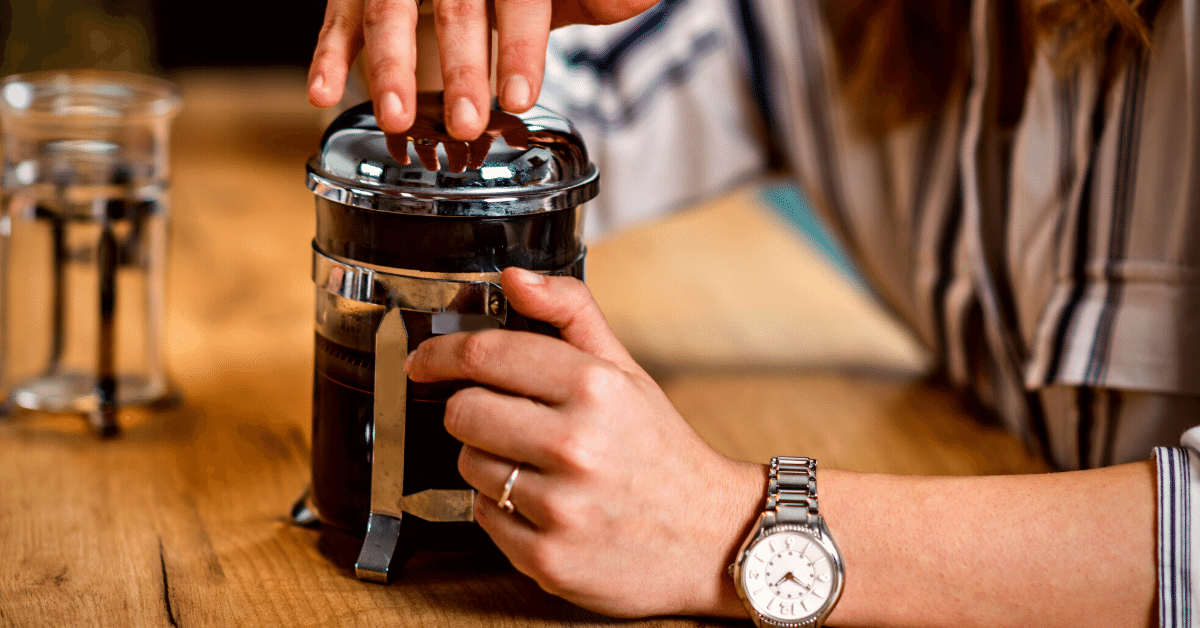
The Plunge: Press slowly and steadily. Aggressive plunging disturbs the grounds and pushes fine particles through the filter.
Serve Immediately: Don’t let brewed coffee sit in the French press—it continues extracting and becomes bitter. Pour everything into cups or a carafe right after plunging.
Common French Press Mistakes to Avoid
Using pre-ground coffee: Pre-ground “drip” coffee is too fine for French press. It over-extracts and creates sludge. Always grind fresh, or buy beans specifically ground for French press.
Steeping too long: Four minutes is the sweet spot. Going to 6-8 minutes doesn’t make stronger coffee—it makes bitter coffee.
Not preheating the carafe: Cold glass drops your water temperature significantly. Swirl hot water in the press for 30 seconds before adding grounds.
Using boiling water: Water straight from a boil (212°F) scorches coffee grounds, creating burnt, bitter flavors. Let it cool slightly first.
Frequently Asked Questions
Can I use espresso roast in French press?
Yes, many espresso blends work beautifully in French press. They’re designed for full extraction and typically have the bold, balanced profiles that complement immersion brewing. Just make sure to grind them coarse.
How coarse should my grind be?
Aim for the consistency of coarse sea salt or raw sugar. You should see distinct particles, not powder. If your coffee tastes bitter and has lots of sediment, grind coarser. If it tastes weak and sour, grind slightly finer.
Why is my French press coffee bitter or weak?
Bitter coffee usually means over-extraction: your grind is too fine, water too hot, or steep time too long. Weak coffee suggests under-extraction: grind too coarse, water too cool, or insufficient steeping. Adjust one variable at a time until you find your sweet spot.
How long do beans stay fresh?
For best results, use beans within 2-4 weeks of their roast date. Store them in an airtight container away from light, heat, and moisture. Don’t refrigerate or freeze unless you’re storing long-term.
Final Thoughts
French press brewing rewards good beans with exceptional coffee. Whether you choose the reliable richness of Peet’s Major Dickason’s, the approachable sweetness of Counter Culture Forty-Six, or the earthy complexity of Volcanica Sumatra, you’re setting yourself up for a great cup.
Start with a coarse grind, fresh beans, and proper technique—then experiment to find your perfect brew. And if you’re still using a blade grinder, consider upgrading to a burr grinder for more consistent results. Your French press will thank you.