Lifeboost Coffee has built a devoted following among health-conscious coffee drinkers with its promise of pure, low-acid coffee. But does it live up to the premium price tag? After extensive testing across multiple roasts, here’s our comprehensive review of Lifeboost Coffee.
What Is Lifeboost Coffee?
Lifeboost is a specialty coffee company focused on producing the cleanest, healthiest coffee possible. Their beans come from a single high-altitude region in Nicaragua, shade-grown in mountainous terrain. The company emphasizes purity, testing beans for mycotoxins, pesticides, and heavy metals—contaminants that can be present in conventionally produced coffee.
Key Claims
- Single-origin Nicaraguan beans
- Shade-grown at high altitude
- USDA Organic certified
- Third-party tested for purity
- Naturally low in acid
- Hand-selected and sun-dried
- Fair trade sourcing
Taste Test: How Does Lifeboost Actually Taste?
Medium Roast (Their Best Seller)
The medium roast showcases what makes Lifeboost distinctive:
- Aroma: Clean, sweet, with notes of caramel and subtle fruit
- Flavor: Smooth and balanced with mild chocolate notes
- Acidity: Noticeably gentler than most coffees—genuinely easy on the stomach
- Body: Medium body with silky mouthfeel
- Finish: Clean and pleasant with no bitter aftertaste
Dark Roast
For those who prefer bolder coffee:
- Deeper chocolate and caramel notes
- Slightly more body than the medium
- Still remarkably smooth for a dark roast
- Retains the low-acid characteristic
Light Roast
The light roast brings out origin characteristics:
- More pronounced fruit notes
- Brighter than the other roasts (but still mild)
- Complex flavor profile for light roast enthusiasts
- Best for pour-over brewing
Decaf
Lifeboost uses the Swiss Water Process for decaffeination:
- Maintains much of the regular roast’s flavor
- No chemical solvents used
- Excellent option for evening coffee
- Very low acid—great for sensitive stomachs
The Low-Acid Difference
The most distinctive feature of Lifeboost is its low acid content. This isn’t just marketing—you can taste and feel the difference, especially if you’re sensitive to acidic foods.
Why Is Lifeboost Low in Acid?
- Altitude: Beans grown above 5,700 feet develop differently
- Slow growth: Shade-growing slows maturation, affecting acid development
- Single origin: Nicaraguan beans from this region are naturally lower in acid
- Processing: Sun-drying preserves the beans differently than mechanical drying
Who Benefits from Low-Acid Coffee?
- People with acid reflux or GERD
- Those with sensitive stomachs
- Anyone who experiences coffee-related digestive issues
- People who find regular coffee too harsh
Purity Testing: Does It Matter?
Lifeboost emphasizes their third-party testing for contaminants. But is this meaningful?
Mycotoxins
Mycotoxins are toxic compounds produced by certain molds that can grow on coffee beans during storage or improper processing. While regulatory limits exist, some studies suggest even low levels could have health effects over time. Lifeboost tests each batch to ensure beans are below detectable limits.
Pesticides
Their organic certification means no synthetic pesticides are used in cultivation. Third-party testing confirms residue-free beans.
Heavy Metals
Soil contamination can introduce heavy metals into coffee. Lifeboost tests for lead, arsenic, and cadmium to ensure safety.
Our Take
While the average coffee consumer probably doesn’t need to worry excessively about these contaminants, the testing provides peace of mind for health-focused individuals. It’s a meaningful differentiator from commodity coffee.
Value Analysis
Pricing
Lifeboost is premium-priced:
- 12oz bag: Approximately $28-32
- Cost per cup: Roughly $1.00-1.50 depending on brewing method
- Subscription discounts available (typically 20-30% off)
Compared to Alternatives
- Grocery store premium: 2-3x more expensive
- Specialty roasters: Comparable to high-end single-origins
- Other health-focused brands: Similar pricing
- Daily café habit: Significantly cheaper per cup
Is It Worth the Premium?
The value proposition depends on your priorities:
- For acid-sensitive individuals: Absolutely worth it—the digestive benefits are real
- For health-conscious consumers: The testing and purity provide genuine value
- For taste alone: It’s excellent coffee, but comparable to other specialty roasters at this price point
- For casual drinkers: Probably overkill—the benefits matter most to those with specific needs
How to Get the Best from Lifeboost
Best Brewing Methods
- Pour-over: Highlights the clean, nuanced flavors beautifully
- French press: Brings out body while maintaining smoothness
- Cold brew: Exceptionally smooth—showcases low acid benefits
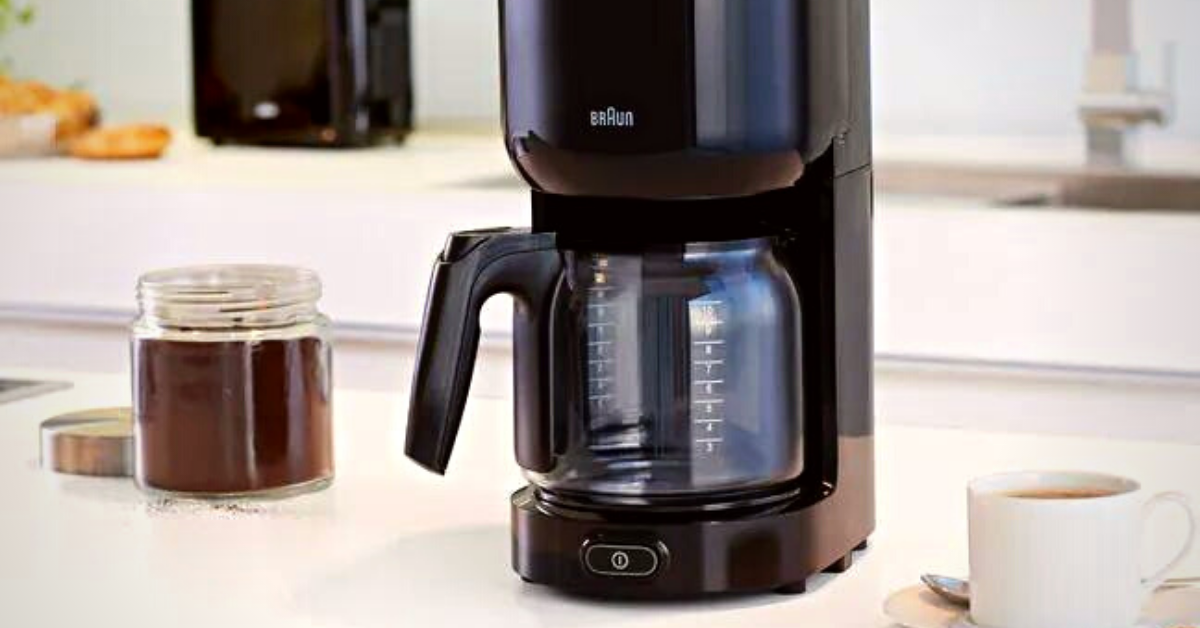
- Drip machine: Works well with quality equipment
Recommended Grind
- Order whole bean and grind fresh for best results
- Medium grind for drip and pour-over
- Coarse for French press and cold brew
Water Considerations
Use filtered water—Lifeboost’s purity can be undermined by heavily chlorinated tap water.
Subscription vs. One-Time Purchase
Subscription Benefits
- Significant discount (often 20-30%)
- Free shipping
- Flexible scheduling
- Easy to pause or cancel
Our Recommendation
Start with a one-time purchase to confirm you enjoy it. If it becomes a staple, the subscription savings are substantial enough to justify commitment.
Potential Drawbacks
Price
There’s no getting around it—Lifeboost is expensive. For daily multi-cup drinkers, the cost adds up.
Limited Variety
Single-origin focus means less variety than roasters offering beans from multiple regions. If you enjoy exploring different origins, you’ll need to supplement with other sources.
Flavor Profile
The smoothness some love, others find too mild. If you prefer bold, punchy coffee with bright acidity, Lifeboost may feel too gentle.
Who Should Buy Lifeboost?
Highly Recommended For:
- People with acid reflux, GERD, or sensitive stomachs
- Health-conscious consumers who prioritize purity
- Anyone who has stopped drinking coffee due to digestive issues
- Those who prefer smooth, easy-drinking coffee
- Pregnant women seeking clean, low-acid options
Consider Alternatives If:
- Budget is a primary concern
- You prefer bold, high-acid coffees
- You enjoy variety in origins and processing methods
- You don’t have acid sensitivity or health concerns
The Verdict
Lifeboost Coffee delivers on its core promises: it’s genuinely smooth, noticeably low in acid, and meticulously sourced. The flavor is excellent—not just “good for healthy coffee” but genuinely enjoyable specialty-grade coffee.
The premium price is justified for those who benefit from the low-acid properties or prioritize purity testing. For coffee lovers who have suffered digestive issues with other coffees, Lifeboost can be genuinely life-changing—finally, a coffee they can enjoy without consequences.
For those without specific health concerns, Lifeboost is simply very good coffee at a premium price. Whether that premium is worth it depends on how much you value the organic certification, purity testing, and smooth flavor profile.
Our Rating: 4.5/5
Lifeboost earns its reputation as one of the healthiest, gentlest coffees available. If you’ve been searching for coffee that won’t upset your stomach or if you simply want the purest possible cup, Lifeboost deserves serious consideration.