Jura has built a reputation as the gold standard in automatic espresso machines. The Swiss manufacturer creates some of the most sophisticated coffee machines available for home use, combining precision engineering with intuitive operation. This guide covers everything you need to know about Jura coffee machines.
What Makes Jura Different
Swiss Engineering Heritage
Founded in 1931 in Switzerland, Jura has focused exclusively on coffee machines since 1986. Unlike manufacturers who produce appliances across many categories, Jura’s singular focus on coffee has resulted in machines refined over decades of dedicated development.
Fully Automatic Operation
Jura machines are bean-to-cup systems—load whole beans and water, press a button, and receive a finished drink. The machine grinds fresh beans for each cup, precisely controls water temperature and pressure, and even froths milk automatically on models with integrated milk systems.
Proprietary Technologies
Jura has developed several proprietary technologies that set their machines apart:
- Pulse Extraction Process (P.E.P.): Pulses water through grounds in short intervals, optimizing extraction especially for shorter drinks like ristretto and espresso
- Aroma G3 Grinder: Preserves aroma while grinding quietly and consistently
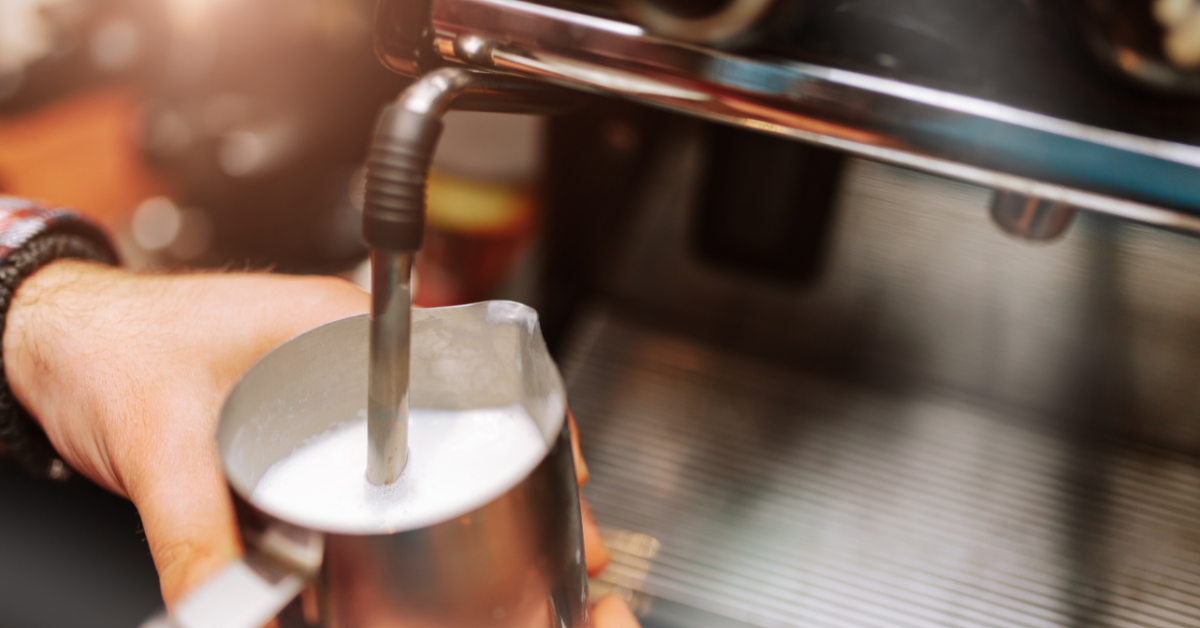
- Fine Foam Technology: Creates microfoam milk with the texture of professionally steamed milk
- Intelligent Water System (I.W.S.): Automatic filter detection and monitoring
Jura Model Lineup
Entry Level: E-Line
The E-Line represents Jura’s most accessible machines while maintaining core quality standards.
Jura E4
- Perfect for: Black coffee enthusiasts
- Specialty drinks: Espresso, coffee, ristretto
- No milk system—focused purely on coffee
- Compact footprint for small kitchens
- Price range: $1,500-1,800
Jura E6
- Perfect for: Those wanting occasional milk drinks
- Adds: Manual milk frother attachment
- 15 specialty coffees programmable
- Price range: $1,800-2,200
Jura E8
- Perfect for: Home baristas wanting full automation
- Integrated automatic milk frother
- 17 specialty drinks including flat white and latte macchiato
- Professional Aroma Grinder
- Price range: $2,500-3,000
Mid-Range: S-Line and J-Line
Jura S8
- Perfect for: Design-conscious coffee lovers
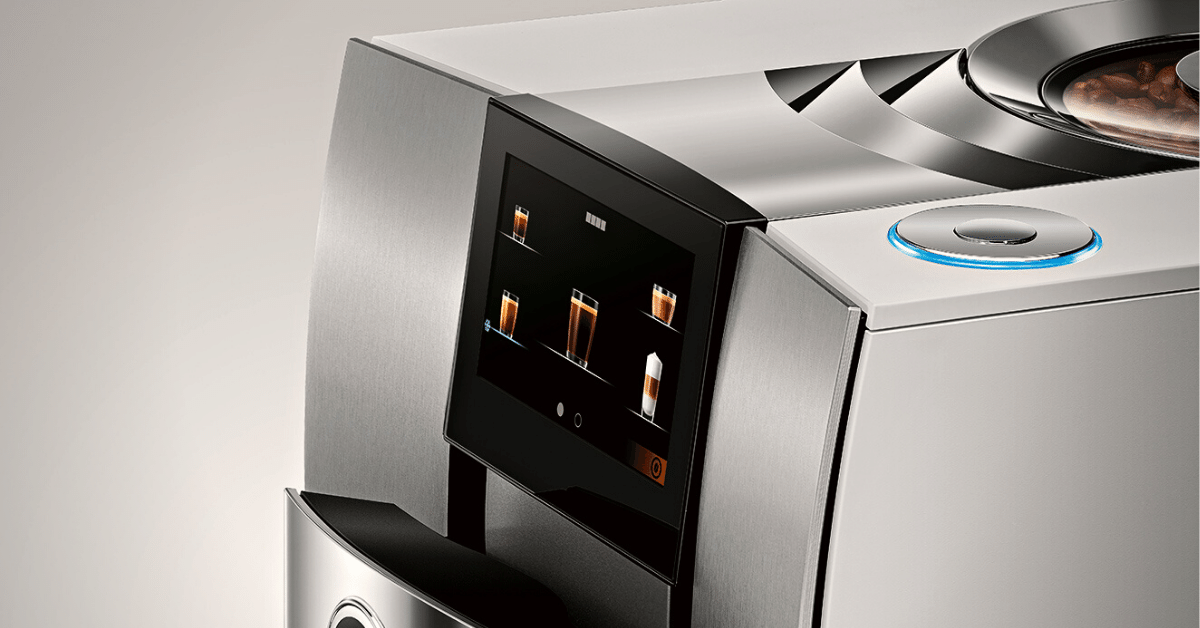
- Touchscreen color display
- 15 specialties with one-touch operation
- Compact design with integrated milk system
- Price range: $2,800-3,300
Jura J8
- Perfect for: Households with multiple coffee drinkers
- 3D brewing technology for optimal extraction
- 31 specialties
- Extra-wide selection for customization
- Price range: $3,500-4,000
Premium: Z-Line
Jura Z10
- Perfect for: Those who want it all
- Product Recognizing Grinder (P.R.G.) adjusts automatically
- Cold brew function—hot and cold specialties
- 32 specialties
- Premium materials and construction
- Price range: $4,000-4,500
Key Features to Understand
Grinder Adjustment
All Jura machines feature adjustable ceramic disc grinders. Finer settings extract more flavor but slow brew time; coarser settings brew faster with lighter body. Most users find the default setting optimal, but adjustments let you dial in your perfect cup.
Coffee Strength Settings
Independent of grind size, strength settings control how much ground coffee is used per drink. More coffee means stronger flavor and more body. Jura machines typically offer 8-10 strength levels.
Water Temperature
Three temperature settings (low, medium, high) let you adjust based on preference. Higher temperatures extract more, which some find too intense; lower temperatures can taste under-extracted to some palates.
Milk System Options
Jura offers three milk approaches:
- No milk system: Entry models for black coffee purists
- Manual frother: Panarello-style attachment for occasional milk drinks
- Integrated automatic: One-touch lattes, cappuccinos, and flat whites
Maintenance Requirements
Daily Care
- Empty drip tray and coffee grounds container
- Rinse milk system after each use (automatic prompt)
- Wipe exterior and drip tray
Weekly Care
- Clean drip tray thoroughly
- Clean milk system with Jura cleaning solution
- Check water filter status
Monthly/As Needed
- Run cleaning cycle (machine prompts automatically)
- Replace water filter (every 2-3 months depending on usage)
- Descaling (frequency depends on water hardness; machine prompts)
Required Jura Products
Jura machines are designed to work with Jura-branded maintenance products:
- Jura Cleaning Tablets: For automatic cleaning cycle
- Jura Descaling Tablets: For removing mineral buildup
- Jura Milk System Cleaner: For milk pathway hygiene
- Jura Claris Water Filters: Reduce scaling and improve taste
Who Should Buy a Jura
Ideal Jura Buyers:
- Convenience seekers: Want café-quality with minimal effort
- Multiple daily drinkers: High-volume households benefit from durability
- Quality-focused buyers: Willing to invest for superior results
- Those who value consistency: Every cup is identical once dialed in
- Small kitchen owners: All-in-one machines save counter space
Consider Alternatives If:
- Budget is primary concern: Capable machines exist at lower prices
- You enjoy the manual process: Espresso enthusiasts often prefer semi-automatics
- Only occasional espresso drinker: Overkill for once-a-week use
- Preferring repair flexibility: Jura repairs typically require authorized service
Jura vs. Competitors
Jura vs. Breville
Breville offers semi-automatic machines requiring more user involvement but at lower price points. Jura is fully automatic and easier to use but more expensive. Breville suits those who enjoy the barista process; Jura suits those prioritizing convenience.
Jura vs. De’Longhi
De’Longhi offers automatic machines at various price points, including budget options. Jura machines generally feature better build quality and longevity but at premium prices. De’Longhi provides good value; Jura provides premium quality.
Jura vs. Miele
Both are premium European brands with similar price points and quality. Miele machines are often built-in models for luxury kitchens. Jura focuses on countertop machines with deeper coffee customization options.
Buying Tips
Where to Buy
- Authorized dealers: Full warranty support and expertise
- Sur La Table, Williams Sonoma: Often have display models to test
- Amazon: Competitive pricing but verify seller authorization
- Jura direct: Full support and sometimes exclusive colors
What to Consider
- Match milk system to your drinking habits
- Factor in ongoing costs (filters, cleaning supplies)
- Consider counter space—measure before buying
- Read the warranty terms carefully
The Bottom Line
Jura coffee machines represent significant investments, but for the right buyer, they deliver genuine value. The combination of Swiss engineering, automatic operation, and consistent quality creates an experience that’s difficult to match. If you drink multiple espresso-based drinks daily and value convenience, a Jura machine can transform your morning routine and potentially save money versus daily café visits.
Start with the E-Line if you’re primarily a black coffee drinker, move to the S8 or J8 for full automatic milk capabilities, or go all-in with the Z10 for the complete Jura experience including cold brew.