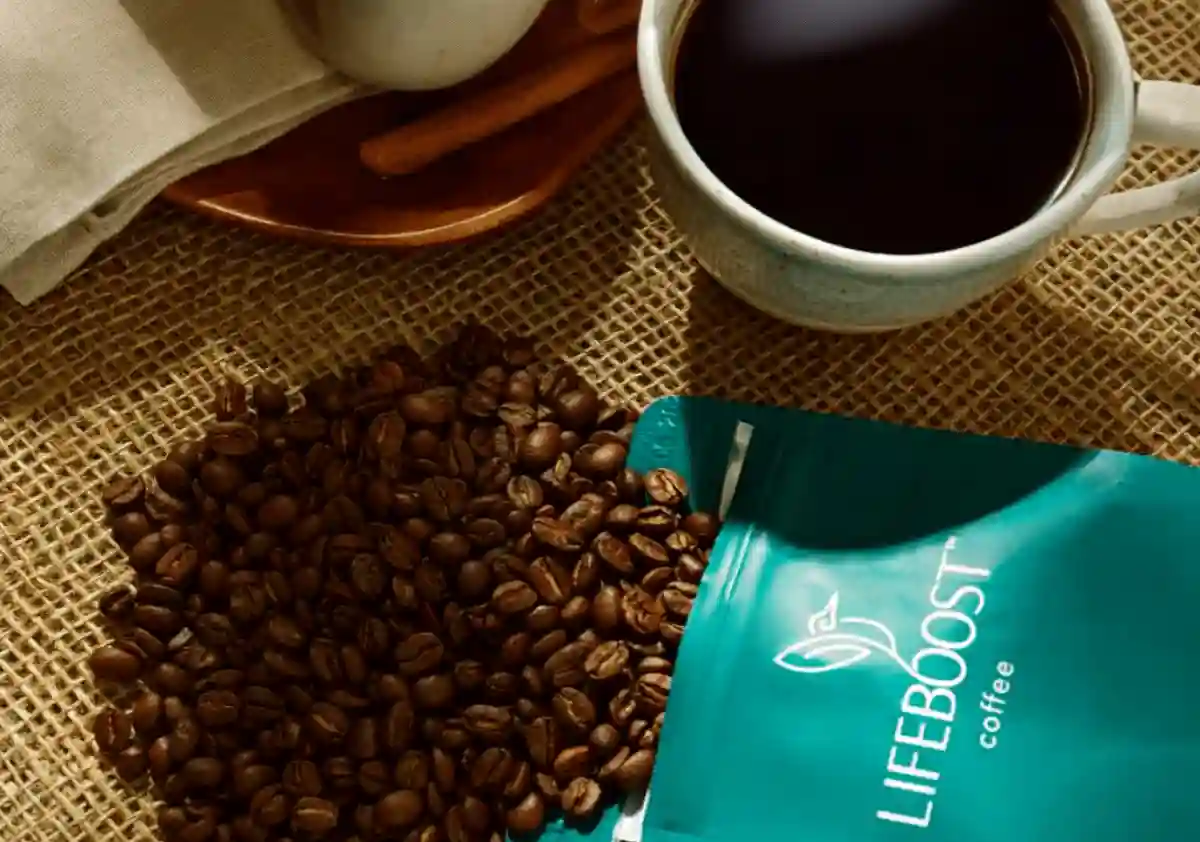
I used to keep my coffee beans in the bag they came in, loosely rolled up, in the cabinet next to the stove. Turns out that’s basically the worst possible approach. Everything about it was wrong.
If you’re buying decent beans and wondering why they taste flat after a week, storage is probably the culprit. Here’s what I’ve learned about keeping coffee fresh—and the containers that actually help.
The Four Enemies of Fresh Coffee
Air. Oxygen degrades coffee compounds almost immediately after grinding, and within weeks for whole beans. That stale, flat taste? Oxidation.
Light. UV rays break down the compounds that give coffee its flavor and aroma. Clear containers sitting in sunlight are a problem.
Heat. Warmth accelerates all the chemical reactions that make coffee go stale. Storing beans next to the stove (like I did) is actively harmful.
Moisture. Coffee is hygroscopic—it absorbs moisture from the air. That moisture causes staleness and can even lead to mold if conditions are bad enough.
A good storage container protects against all four. Your original bag, rolled up, protects against none of them very well.
Best Overall: Fellow Atmos Vacuum Canister
Price: ~$30-35
The Atmos is more than just airtight—it actively removes air. You twist the lid, and a built-in vacuum pump sucks out the oxygen. The lid locks in place when you’ve achieved vacuum, and it stays sealed until you open it.
I was skeptical when I first tried one. Gimmick, I figured. But beans stored in the Atmos genuinely stayed fresher longer than in regular airtight containers. After two weeks, the difference in aroma was noticeable.
The build quality is excellent. All stainless steel and silicone, no plastic. The matte black version looks nice on a counter. The lid twisting is satisfying in a way that appeals to people who like good tools.
Downsides: Expensive for a coffee container. The vacuum seal makes it slightly more cumbersome to open than a regular lid. Only comes in smaller sizes (0.4L, 0.7L, 1.2L).
Best for: People who buy modest quantities of good beans and want maximum freshness.
Best Value: OXO Steel POP Container
Price: ~$18-25
OXO’s POP containers aren’t coffee-specific, but they work well for beans. The push-button creates an airtight seal, and the stainless steel version blocks light.
No vacuum feature, so they won’t extend freshness quite as much as the Fellow. But they’re significantly cheaper and hold more coffee—the 1.9 quart size fits a full pound easily.
The push-button mechanism is genuinely one-handed. Press to open, press to seal. Simple.
Downsides: No vacuum. The lid has a few components that can trap oils and get funky over time. Needs periodic deep cleaning.
Best for: Budget-conscious buyers who want simple, effective storage.
Best Large Capacity: Planetary Design Airscape
Price: ~$30-40
The Airscape has an inner lid that you push down directly onto the coffee surface, forcing out air before sealing with the outer lid. It’s not true vacuum, but it removes more air than a regular container.
The 64 oz size holds over a pound of beans—useful if you buy in bulk or have a household of coffee drinkers. Build quality is solid stainless steel with a BPA-free lid.
The inner-lid mechanism works well once you understand it, but there’s a learning curve. First-time users often struggle to see what it’s doing.
Downsides: The two-lid system is slightly cumbersome. Larger footprint than other options.
Best for: Households that go through a lot of coffee and want air displacement in a large container.
Best Budget Option: Prep Solutions by Progressive Coffee Keeper
Price: ~$10
This is a basic airtight container with a silicone seal and snap-lock lid. Nothing fancy. But at $10, it’s dramatically better than keeping beans in the bag.
The dark-tinted plastic blocks some light (not as effective as steel, but better than clear containers). The silicone seal is genuinely airtight. It holds about a pound of beans.
Downsides: Plastic. No vacuum or air displacement. Will need replacing after a few years.
Best for: Anyone who wants decent storage without spending much money.
What About Freezing Beans?
This is controversial. Traditional advice said never freeze coffee. More recent research suggests freezing can actually preserve freshness effectively—if done right.
The key is avoiding temperature cycling. Don’t freeze beans, take them out to grind some, then put them back. That causes condensation, which ruins the beans.
Instead: divide beans into single-use portions before freezing. Put each portion in a sealed bag with air removed. Take out one portion at a time and use it all.
For beans you’re using within 2-3 weeks, a good container at room temperature is fine. Freezing makes sense for longer storage or for preserving a special batch.
Storage Habits That Matter
Buy smaller quantities more often. The freshest beans are the ones you bought recently. A pound every two weeks is better than five pounds every two months.
Check roast dates. Good roasters print roast dates on bags. Try to use beans within 2-4 weeks of roasting. Anything older than 6 weeks is starting to decline.
Keep the bag valve but don’t rely on it. Those one-way valves let CO2 out without letting air in. That’s good for the first few days after roasting. After that, the beans need better protection.
Store away from heat sources. Cabinets near the stove, on top of the fridge, by the dishwasher—all bad spots. A cool, dark cabinet is ideal.
Grind immediately before brewing. Ground coffee goes stale in hours, not weeks. No container will save pre-ground coffee for long.
What I Use
I keep one Fellow Atmos on the counter with the beans I’m currently using—usually holds about 10 days worth. Backup bags go in a dark cabinet in their original bag, rolled tight with a clip.
It’s not perfect, but it’s simple and effective. The Atmos handles daily use, and the backup beans are usually fresh enough when I get to them.
The absolute best solution would be buying fresh-roasted beans every week. But I don’t live near a great roaster, so proper storage extends what I can get online.