The Breville Bambino Plus is the best semi-automatic espresso machine for most beginners in 2026. It heats quickly, uses a proper portafilter, controls shot volume, and can texture milk automatically or manually—without forcing you to accept a mediocre built-in grinder. Pair it with a capable espresso grinder and it offers the easiest route to genuinely good home espresso.
Shop the top semi-automatic espresso machines
Best compact choice: see the Breville Bambino Plus on Amazon.
Best all-in-one starter: see the Breville Barista Express on Amazon.
Best upgradeable classic: see the Gaggia Classic E24 on Amazon.
Experienced users should consider the Profitec GO for PID temperature control, the Gaggia Classic E24 or Rancilio Silvia for a traditional serviceable design, and the Rancilio Silvia Pro X when simultaneous brewing and steaming matter. This guide compares eight current machines by workflow, heating system, grinder requirements, milk performance, and learning curve.
Best Semi-Automatic Espresso Machines at a Glance
| Machine | Best for | Heating system | Grinder | Milk workflow |
|---|---|---|---|---|
| Breville Bambino Plus | Best overall for beginners | ThermoJet | Separate required | Auto or manual steam |
| Breville Barista Express | Best all-in-one value | Thermocoil with PID control | Built in | Manual steam |
| Gaggia Classic E24 | Best enthusiast value | Single brass boiler | Separate required | Manual steam |
| Profitec GO | Best compact PID machine | PID single boiler | Separate required | Manual steam |
| Rancilio Silvia | Best traditional workhorse | Single brass boiler | Separate required | Manual steam |
| De’Longhi Dedica Duo | Best for a narrow counter | Thermoblock | Separate required | Manual steam |
| LELIT MaraX | Best heat exchanger | Heat exchanger | Separate required | Brew and steam together |
| Rancilio Silvia Pro X | Best dual boiler | Dual PID boilers | Separate required | Brew and steam together |
Prices and exact packages change. Confirm voltage, accessories, warranty, and current specifications with the manufacturer or an authorized seller before purchasing.
What Counts as a Semi-Automatic Espresso Machine?
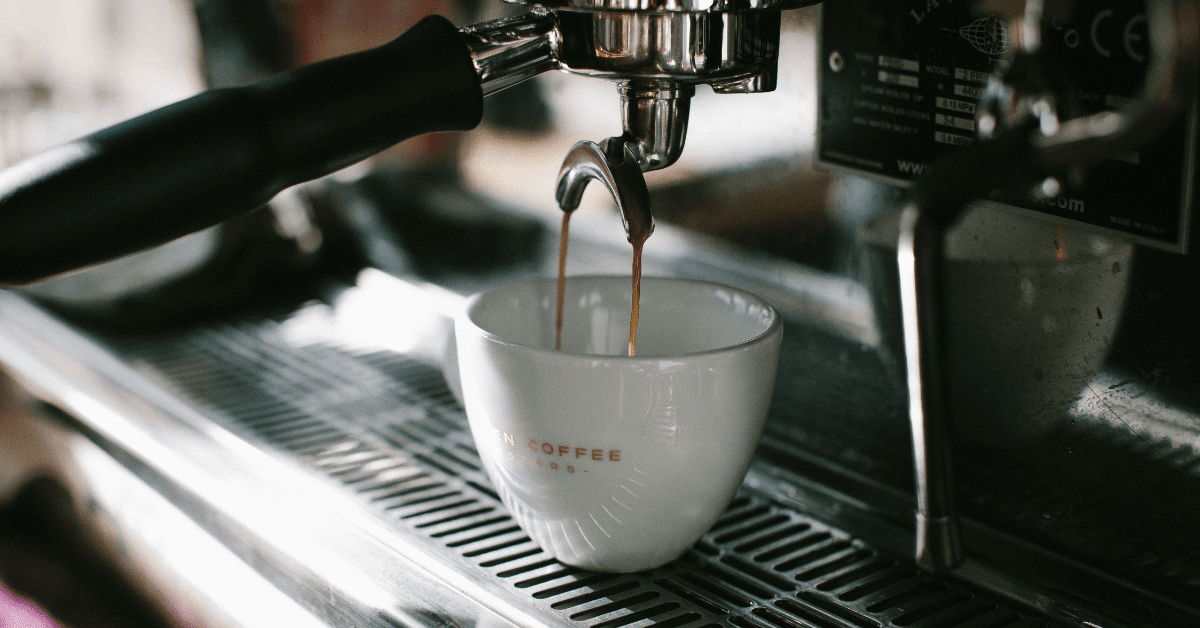
A semi-automatic machine uses an electric pump to provide brewing pressure, but you still prepare the coffee puck and control important parts of the process. You grind and dose the beans, distribute and tamp the grounds, lock in the portafilter, start extraction, and usually steam the milk.
Some machines stop a shot at a programmed volume; others require you to stop it manually. Built-in grinders and automatic steam wands do not necessarily make a brewer fully automatic—the defining distinction is whether the machine handles the bean-to-cup workflow for you. Super-automatic machines grind, dose, brew, and often dispense milk with little manual work.
The 8 Best Semi-Automatic Espresso Machines for 2026
1. Breville Bambino Plus — Best Overall for Beginners
The Bambino Plus concentrates on the parts new home baristas struggle with most: warm-up time, consistent water delivery, and milk texture. Breville’s ThermoJet system reaches operating readiness quickly, the 54 mm portafilter is designed around an 18-gram dose, and low-pressure pre-infusion leads into a 9-bar extraction.
The steam wand can texture milk automatically at three temperature and three texture levels, but you can also steam manually. That makes it unusually forgiving while you learn. Because there is no built-in grinder, you can choose a grinder that fits your beans and upgrade it later without replacing the espresso machine.
- Best for: beginners who want real portafilter espresso and easier milk drinks.
- Main drawback: limited manual temperature adjustment and a lighter appliance-style build than traditional boiler machines.
2. Breville Barista Express — Best Semi-Automatic With a Grinder
The Barista Express combines a conical burr grinder, dosing controls, pressure gauge, PID-controlled thermocoil, low-pressure pre-infusion, volumetric shot buttons, hot-water outlet, and manual steam wand. It is still one of the clearest all-in-one entry points because the machine teaches grinding, dosing, tamping, extraction, and milk texturing in a single footprint.
The integrated grinder is convenient, but a separate grinder offers a wider upgrade path and makes switching beans easier. Choose this machine when counter space and simplicity matter more than maximizing grinder performance.
- Best for: buyers who want beans-to-portafilter convenience without a super-automatic workflow.
- Main drawback: upgrading the grinder means keeping an unused grinder inside the machine.
3. Gaggia Classic E24 — Best Enthusiast Value
The current Gaggia Classic E24 updates the long-running Classic platform with a lead-free brass group and brass boiler, a stainless steel portafilter, and a professional steam wand. Its simple switches and traditional single-boiler layout make it understandable, serviceable, and attractive to people who want to develop technique rather than rely on presets.
It does not include factory PID temperature control, so repeatability requires a consistent warm-up and brewing routine. You also must wait for the single boiler to change from brew temperature to steam temperature. In return, you get a strong foundation with widely available knowledge and accessories.
- Best for: hands-on users who enjoy learning and maintaining their equipment.
- Main drawback: no built-in PID and sequential brewing/steaming.
4. Profitec GO — Best Compact Single Boiler With PID
The Profitec GO is the logical step up when you like the compact single-boiler concept but want better feedback and temperature control. The current model uses a PID-controlled brass boiler, pressure gauge, shot timer, selectable pre-infusion, adjustable brew pressure, guided maintenance functions, and a large 2.8-liter reservoir. Profitec lists an approximate seven-minute heating phase.
It remains a single boiler, so you cannot pull a shot and steam milk simultaneously. For primarily straight espresso with occasional cappuccinos, that compromise keeps the machine smaller and simpler than a dual boiler.
- Best for: espresso-first users who want PID control and a compact premium build.
- Main drawback: waiting between extraction and steam mode.
5. Rancilio Silvia — Best Traditional Workhorse
The original Silvia remains a durable, compact single-boiler machine with a brass brewing group, chrome-plated brass portafilter, stainless steel steam wand, and two-liter water tank. Rancilio’s current specification uses thermostat-based manual temperature regulation rather than a factory PID.
That simplicity is both the attraction and the challenge. Silvia rewards a good grinder, disciplined dosing, a fully warmed machine, and a repeatable temperature routine. It is less friendly than the Bambino Plus on day one, but its traditional construction appeals to owners who expect to keep and service a machine for years.
- Best for: buyers who prioritize proven construction and manual control.
- Main drawback: learning curve and no factory PID on the standard Silvia.
6. De’Longhi Dedica Duo — Best for a Narrow Counter
The newer Dedica Duo modernizes De’Longhi’s compact manual line with a narrow body, digital controls, hot and iced espresso options, cold-brew capability, removable drip tray, and manual steam wand. It is designed for apartments and kitchens where a Bambino or traditional 58 mm machine still feels too large.
Compact thermoblock machines use smaller baskets and lighter components than prosumer boiler machines, so they are not direct substitutes for a Profitec or Rancilio. They are practical when footprint, quick readiness, and approachable controls are the priority.
- Best for: small spaces and mixed hot/iced drink routines.
- Main drawback: less thermal mass and upgrade flexibility than traditional 58 mm platforms.
7. LELIT MaraX — Best Heat-Exchanger Machine
The MaraX is a heat-exchanger machine built around LELIT’s L58E group and automatic extraction-temperature management. It can brew and steam without the mode-switching delay of a single boiler, making it a better match for households that prepare several milk drinks. LELIT specifies a maximum warm-up of about 24 minutes, so it is a planned-routine machine rather than an instant morning appliance.
A heat exchanger uses one steam-temperature boiler plus a separate water path for brewing. It offers strong steam and simultaneous workflow, though a true dual boiler provides more independent temperature management.
- Best for: enthusiasts making frequent cappuccinos or several drinks in a row.
- Main drawback: longer warm-up, larger footprint, and more maintenance than compact machines.
8. Rancilio Silvia Pro X — Best Dual Boiler
The Silvia Pro X adds the capabilities many standard Silvia owners eventually want: separate brew and steam boilers, PID control for both, digital display, shot timer, pressure gauge, and adjustable soft infusion. Independent boilers let you extract espresso and steam milk at the same time while holding separate temperature targets.
It costs and weighs substantially more than an entry-level machine, and it still expects the user to grind, dose, tamp, and steam deliberately. For an experienced home barista who makes milk drinks often, it is the strongest all-around workflow in this list.
- Best for: experienced users who want repeatability and simultaneous brewing and steaming.
- Main drawback: high total cost after adding a grinder and accessories.
How to Choose a Semi-Automatic Espresso Machine
Start With the Grinder
Espresso requires small, repeatable grind adjustments. A good machine cannot correct for a grinder that produces inconsistent particles or jumps too far between settings. Budget for an espresso-capable burr grinder unless you choose an integrated model. See our espresso machines with grinders guide if you prefer one appliance.
Choose the Heating System for Your Drinks
- Thermoblock/ThermoJet: quick readiness and compact size.
- Single boiler: simple, often serviceable, but you wait between brewing and steaming.
- Heat exchanger: brew and steam together using one steam boiler and a separate brew-water path.
- Dual boiler: independent temperature control and the best repeated milk-drink workflow.
PID Matters More Than Advertised Pump Pressure
Consumer machines often advertise a 15- or 20-bar pump, but espresso is generally extracted near 9 bar at the coffee puck. A pressure number alone does not prove quality. Temperature stability, pressure regulation, puck preparation, and grind consistency matter far more. A PID helps the machine hold a repeatable temperature target.
Match Automation to Your Patience
Volumetric shot buttons and automatic milk texture can reduce beginner frustration without removing the portafilter workflow. Traditional switches give more direct control but demand practice. Buy for the routine you will actually follow at 7 a.m., not the fantasy routine you imagine on shopping day.
Plan for Water and Maintenance
A water filter does not permanently eliminate descaling. It can reduce hardness or improve taste, but maintenance still depends on your water chemistry, filter schedule, machine design, and manufacturer instructions. Use water within the maker’s recommended range, backflush machines that support it, purge the steam wand after milk, and follow the manual rather than a universal calendar.
Frequently Asked Questions
What is the best semi-automatic espresso machine for a beginner?
The Breville Bambino Plus is the easiest recommendation because it heats quickly, includes volumetric shot control, and offers automatic milk texturing while preserving a real portafilter workflow. The Barista Express is better when you insist on a built-in grinder.
What is the best semi-automatic espresso machine with a grinder?
The Breville Barista Express remains the most straightforward value choice. Integrated-grinder machines save space, but a separate grinder normally offers better upgrade flexibility and easier bean switching.
Is a semi-automatic machine better than a super-automatic?
A semi-automatic is better when you want control over beans, grind, dose, puck preparation, extraction, and milk texture. A super-automatic is better when convenience, speed, and repeatability with minimal technique matter more.
Do I need a separate espresso grinder?
Yes, unless the machine has a built-in grinder or you use pressurized baskets with preground coffee. For the best results from a non-pressurized basket, an espresso-capable burr grinder is essential.
Final Verdict
Choose the Bambino Plus for the easiest high-quality start, Barista Express for an integrated grinder, Gaggia Classic E24 for enthusiast value, or Profitec GO for compact PID control. Move to the MaraX or Silvia Pro X only when you make enough milk drinks to justify simultaneous brewing and steaming. Whichever machine you choose, reserve enough budget for the grinder, fresh beans, a scale, and suitable water—the supporting setup determines whether the machine can perform at its best.