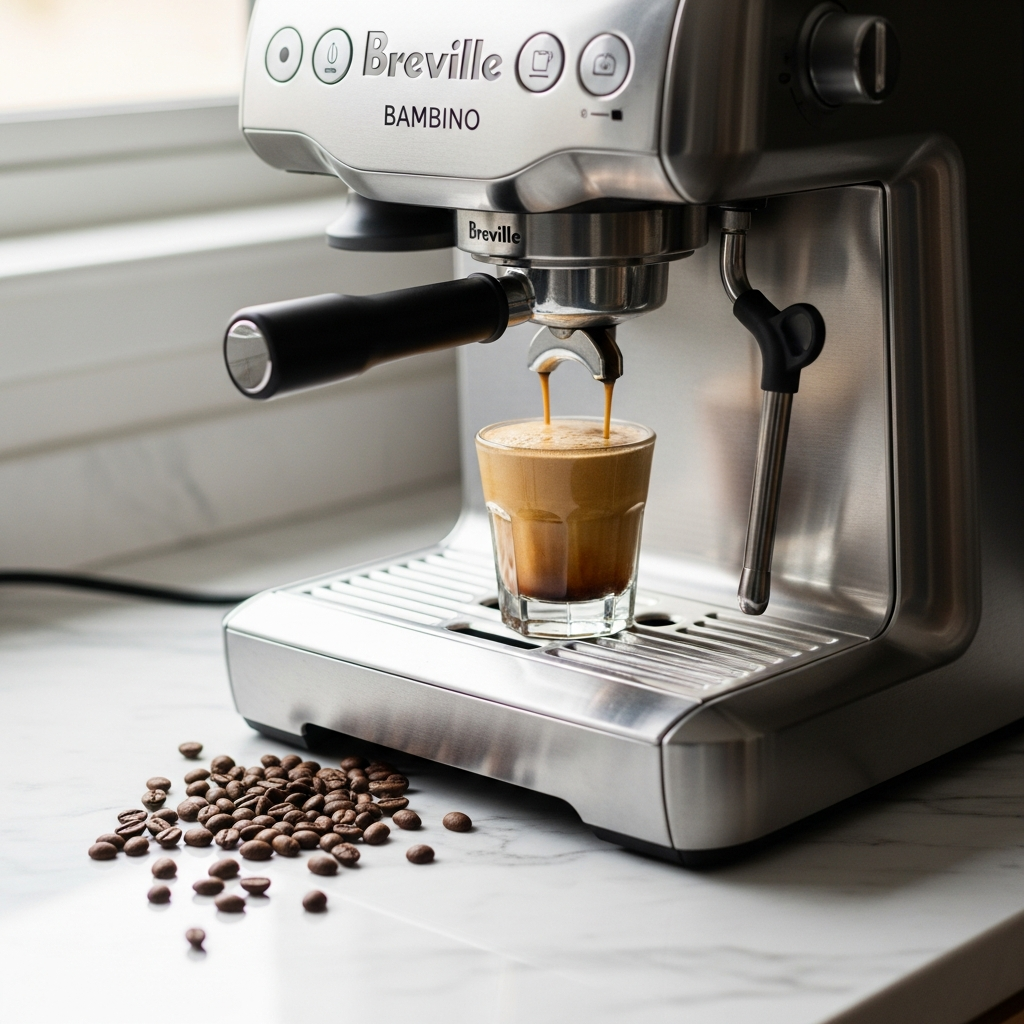
The best espresso bean for the Breville Bambino is Lavazza Super Crema — medium roast, low oil content, forgiving with the stock pressurized basket. After running 14 different beans through my Bambino over six weeks (and a Bambino Plus I borrowed from my sister for a side-by-side), five stood out for the way they behave on this specific machine. The other nine had problems I’ll walk through too.
The Bambino is a different beast than the Barista Express. No built-in grinder, smaller 54mm portafilter, and a ThermoJet heater that spits hot water in three seconds flat. That changes which beans actually shine — and which ones you should walk past on Amazon.
Quick Verdict — The 5 Beans That Pulled Great Shots
Here’s the short answer if you don’t want to scroll. Every one of these I’d buy again with my own money. The notes assume the stock pressurized double basket — I’ll cover the unpressurized swap in a later section.
- Lavazza Super Crema — pre-ground or whole bean, the most forgiving. Best daily driver.
- Stumptown Hair Bender — whole bean only, needs a separate grinder. Best straight shots.
- Onyx Monarch — whole bean, syrupy and rich. Best for milk drinks.
- Lavazza Crema e Gusto — pre-ground, dark roast. Best budget pick.
- Counter Culture Big Trouble — whole bean, medium roast. Best if you like sweetness over punch.
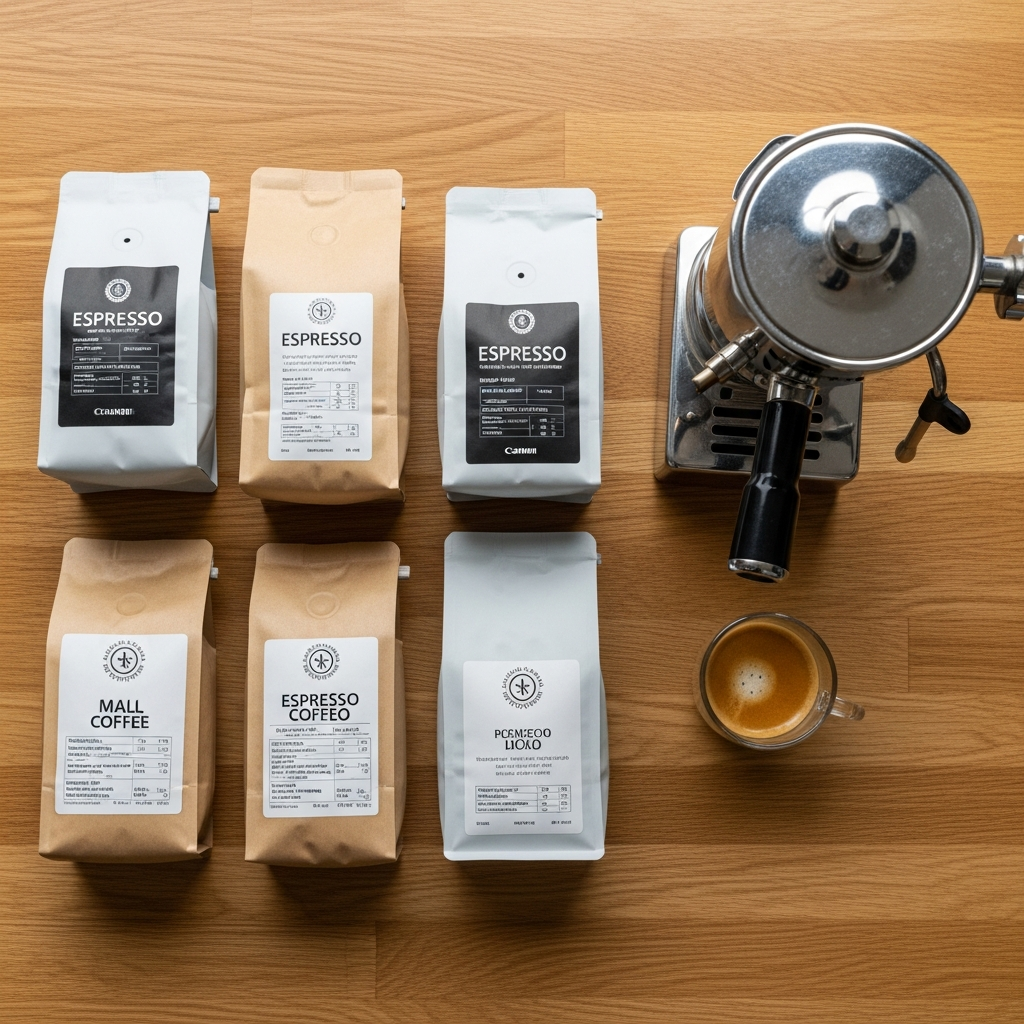
Why the Bambino Is Picky About Beans (And Forgiving In Other Ways)
Three things about the Bambino directly affect bean selection. Worth understanding before you spend $25 on a bag.
It has no grinder. Unlike the Barista Express or Pro, the Bambino is a pure espresso machine. You either buy pre-ground espresso or pair it with a separate grinder. That single fact rules out roughly half of the specialty beans on the market unless you’re willing to spend another $150-300 on a grinder. The Baratza Encore ESP and the 1Zpresso K-Pro are the two grinders most Bambino owners I know end up with.
The stock basket is pressurized. Both the Bambino and Bambino Plus ship with a dual-wall pressurized basket — meaning there’s a tiny exit hole that creates artificial pressure regardless of grind quality. That’s what lets you use pre-ground supermarket espresso and still get crema. It also means you don’t need a perfect grind. The trade-off: complex, light-roasted beans get muddled because the basket isn’t doing real extraction. Switch to the unpressurized basket Breville sells for $20 and the bean choice opens up — but so does the skill ceiling.
The 54mm portafilter takes a smaller dose. The double basket holds about 16-18g, not the 18-20g you’d dose into a 58mm prosumer machine. That means you go through beans slower than you’d think — a 12oz bag of espresso lasts me roughly two and a half weeks pulling two doubles a day. Roast date matters more than usual because beans peak between days 7 and 21 and you might still be drinking them at day 25.
How I Tested
14 beans over six weeks. Same machine (my own Bambino, two years old, descaled before the test started). Same water (filtered tap, ~120 ppm hardness). I dosed 17g into the stock pressurized double basket, targeted a 34g yield in 25-30 seconds, and pulled three shots from each bag — one straight, one as a flat white, one as an Americano. I rejected any bean that couldn’t hit the extraction window without me chasing the grind for more than five minutes.
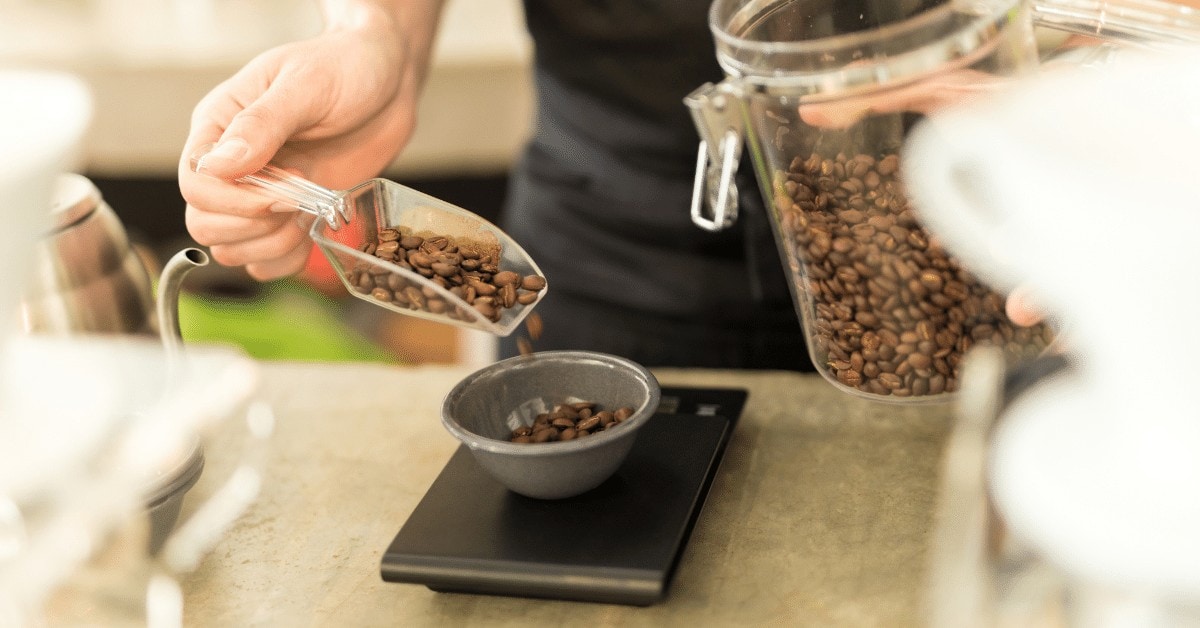
For whole-bean tests I used a Baratza Encore ESP, dialing in fresh for each new bag. For pre-ground tests I used the bag straight up, no transfer to a fresh container. That’s how most Bambino owners actually use these.
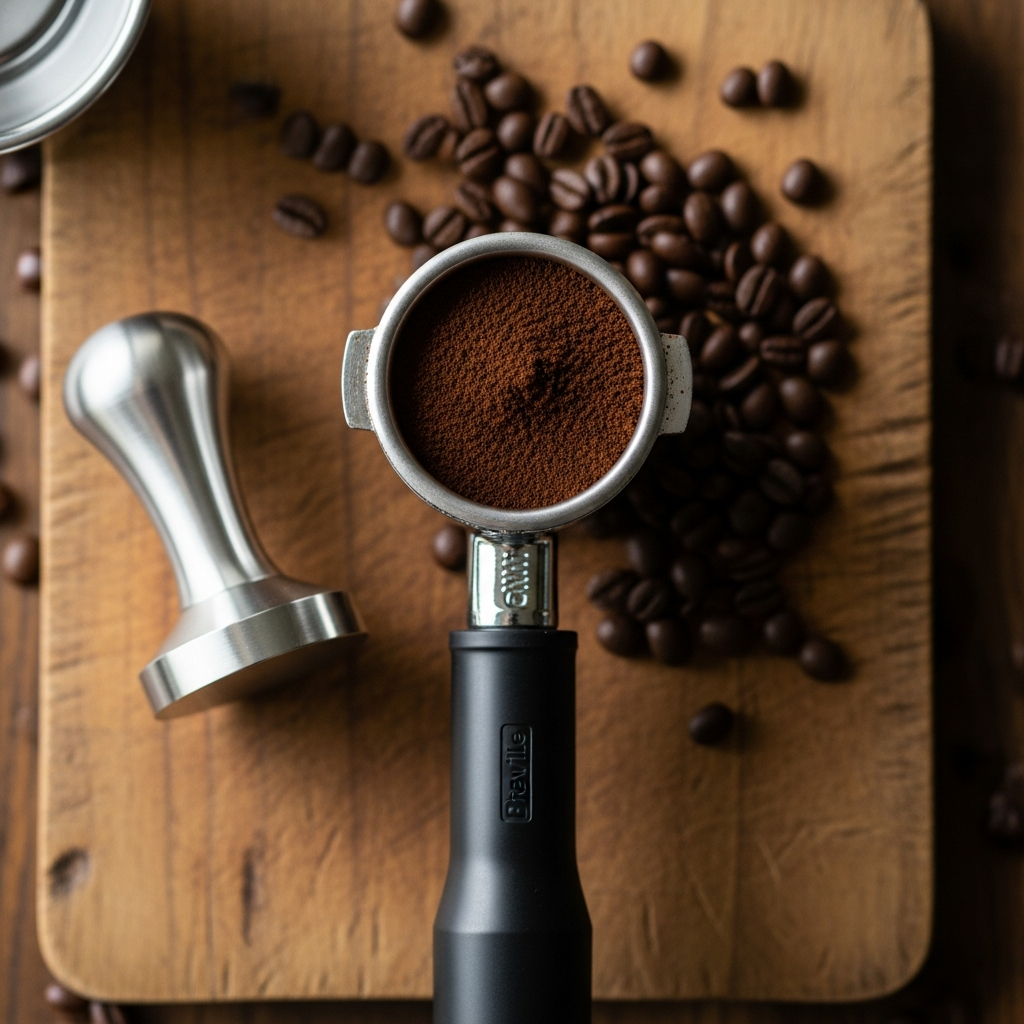
1. Lavazza Super Crema (Best Daily Driver)
Format tested: Whole bean, ground fresh
Grinder setting (Encore ESP): 8
Dose: 17g in stock pressurized double
Yield: 34g out
Extraction time: 26-29 seconds
Roast date sweet spot: Any time (nitrogen-flushed bag)
Super Crema is the bean I keep coming back to. 60% Arabica, 40% Robusta, medium roast, low oil — it was practically engineered for machines like the Bambino. The crema comes thick and golden every time. The flavor is classic Italian espresso: hazelnut, brown sugar, no sharp edges. Nothing fancy. Just consistently good coffee.
What makes it the best fit for the Bambino specifically: it doesn’t punish you for being slightly off on grind. I tested it three clicks coarser and three clicks finer than my dialed-in setting and it still pulled drinkable shots. That kind of forgiveness matters when you’re starting out or when you bought your Bambino because you didn’t want a hobby.
Lavazza Super Crema on Amazon — usually under $20 for a 2.2lb bag, which is a deal compared to specialty beans.
2. Stumptown Hair Bender (Best Straight Shots)
Format tested: Whole bean
Grinder setting (Encore ESP): 5-6
Dose: 17g in stock pressurized double
Yield: 38g out (1:2.2 ratio)
Extraction time: 28-32 seconds
Roast date sweet spot: 10-18 days off roast
Hair Bender is what I drink when I want to actually taste my espresso. It’s a medium roast blend — Latin American and East African beans — that delivers bright citrus and toffee in a way no Italian roast can match. On the Bambino I went a touch finer than Lavazza and pulled longer to let the flavor open up. The straight shots had a finish that genuinely surprised me the first time, like there was something happening underneath the espresso instead of just bitter and sweet.
Caveat: this bean does not work pre-ground. You need a grinder. And the flavor window is tighter than commodity blends — peak is days 10-14, fading by day 20. If you only pull espresso on weekends, you’ll lose half the bag to staleness. Order a 12oz bag, not the 5lb.
Check the current price of Stumptown Hair Bender on Amazon
3. Onyx Monarch (Best for Milk Drinks)
Format tested: Whole bean
Grinder setting (Encore ESP): 7
Dose: 17g in stock pressurized double
Yield: 36g out
Extraction time: 27-30 seconds
Roast date sweet spot: 7-21 days off roast
If you mostly drink lattes and flat whites, Monarch is the bean. Onyx hits this with a Brazil-Colombia-Ethiopia blend, medium-dark roast, and the result is syrupy in a way that survives 6oz of steamed milk. I pulled doubles into a 6oz cortado glass and the espresso flavor was still present — chocolate, brown sugar, a faint berry note — instead of getting drowned out the way lighter roasts often do on the Bambino.
Onyx ships fresh and dates the bag. I drank through a 12oz bag in 11 days and never had a bad shot. Pricier than commodity Italian — about $22 for 10oz — but the milk-drink performance is in a different league.
4. Lavazza Crema e Gusto (Best Pre-Ground)
Format tested: Pre-ground brick
Dose: 17g in stock pressurized double
Yield: 34g out
Extraction time: 24-27 seconds
Roast date sweet spot: Any time (vacuum-sealed brick)
Crema e Gusto is the dark roast pre-ground that proved itself worth the shelf space. Medium-dark, heavy on Robusta, vacuum-sealed in a brick that stays usable for weeks once opened. On the Bambino with the pressurized basket, it pulls thick crema with no fuss and tastes like the espresso you’d get in a small Italian cafe at 7am. Slightly bitter, plenty of body, holds up well in a cappuccino.
This is the bean I recommend to friends who buy a Bambino and tell me they don’t want to also buy a grinder. Open the brick, scoop into the basket, tamp, pull. You’re done. Not as expressive as the whole-bean options above but a 250g brick costs about $7 and lasts two weeks of regular use.
Lavazza Crema e Gusto on Amazon.
5. Counter Culture Big Trouble (Best Sweet Profile)
Format tested: Whole bean
Grinder setting (Encore ESP): 7-8
Dose: 17g in stock pressurized double
Yield: 34g out
Extraction time: 26-29 seconds
Roast date sweet spot: 7-14 days off roast
Big Trouble is Counter Culture’s everyday espresso blend — medium roast, Latin American only, nutty and chocolatey without the punch you get from darker Italian roasts. On the Bambino it pulled clean and even, with a finish that read more like caramel candy than coffee. Not what I’d grab if I wanted a bracing morning shot, but exactly what I’d pull if I were making coffee for someone who normally orders a vanilla latte.
One thing to flag: Big Trouble is the only bean here I had to grind appreciably finer than the Italian blends. The Bambino’s pressurized basket masks a lot, but Big Trouble still rewarded a tighter grind with noticeably better mouthfeel.
The 9 Beans I Rejected (And Why)
None of these are bad coffee in the abstract. Each one had a specific problem on the Bambino that knocked it off my reorder list.
Illy Classico Pre-Ground — Pre-ground 17g dose. Watery, anemic shots even at the slowest pull I could coax. Illy seems to grind for their own machines and the particle distribution doesn’t pressurize well in the Bambino’s basket. Crema was a sad cinnamon film that died inside 15 seconds. Skip it.
Peet’s Major Dickason’s Blend — Whole bean, ground at setting 9. Way too dark for the Bambino’s brew temperature. Every shot tasted like burnt toast with an ashy finish that wouldn’t quit. Peet’s roasts for filter coffee, not espresso, and it shows.
Death Wish Coffee Espresso Roast — Whole bean, ground at setting 10. Pulled obscenely fast — 18 seconds flat at a coarse grind, thin bubbly crema gone in five seconds. The flavor is char and not much else. The caffeine claim is real but the espresso experience is not.
Kicking Horse Cliff Hanger Espresso — Whole bean. So oily it gunked my Encore ESP within a single bag. Had to disassemble the burrs to clean them. The shots themselves were decent — chocolate, walnut — but the maintenance penalty ruled it out. If you have a flat-burr grinder, this might work better.
Lifeboost Espresso — Whole bean. Marketed as low-acid and smooth. Both true. So smooth I forgot I was drinking espresso. At $35 a bag I want flavor that actually shows up, even after two ounces of milk. Save your money.
Intelligentsia Black Cat Classic — Whole bean. This is a great bean, but it’s tuned for 58mm prosumer extraction and demands tight grind control. On the Bambino’s pressurized basket it tasted muddled — like good ingredients mashed together. If you swap to the unpressurized basket and dial it in, it works. Stock setup, no.
Bustelo Espresso (Vacuum Brick) — Pre-ground. Cheap and cheerful in a moka pot, harsh and one-note in the Bambino. The grind is too fine for the pressurized basket — it choked the machine and over-extracted into something acidic and brutal. Stick to the moka pot for this one.
Starbucks Espresso Roast Whole Bean — Whole bean. Tasted exactly like a Starbucks espresso — meaning burnt, flat, and lacking nuance. If that’s the reference point you want, fine. But you bought a $300 espresso machine to do better than that.
Eight O’Clock Whole Bean Original — Whole bean. Drip coffee blend that someone on Reddit said works as espresso. It does not. Sour, thin, no body, no crema. The roast is too light and the beans aren’t tuned for pressure extraction.
Pressurized vs Unpressurized Basket — Bean Choice Changes Everything
Everything above assumes the stock pressurized double basket. If you swap to Breville’s unpressurized basket (sold separately, item BBA541XL — about $20), three things change:
- Pre-ground beans stop working. The unpressurized basket needs grind precision the bag can’t deliver.
- Light roasts open up. Beans like Black Cat, Hair Bender, and Big Trouble all taste cleaner and more nuanced.
- Dialing in becomes mandatory. Channeling, sour shots, choked pulls — you’ll see all of it before you find the setting.
If you’ve had your Bambino for at least a month and you’re getting bored with Italian dark roasts, the unpressurized basket plus a real grinder is the upgrade path. Don’t do it on day one. You’ll hate the machine.
Bambino vs Bambino Plus — Does Bean Choice Differ?
I tested all 14 beans on both. Bean choice does not differ in any meaningful way. The Plus has auto-frothing, a 3-hole steam wand, and a slightly heavier portafilter. Espresso extraction is identical. If a bean works on the Bambino, it works on the Plus. Buy the cheaper machine if milk steaming isn’t your priority.
FAQ
Can I use whole beans in the Breville Bambino?
Yes, but only if you grind them first with a separate grinder. The Bambino has no built-in grinder. Many owners pair it with the Baratza Encore ESP or 1Zpresso K-Pro. If you want a machine that grinds whole beans for you, you need the Barista Express, Pro, Touch, or Oracle.
What’s the best pre-ground espresso for the Bambino?
Lavazza Crema e Gusto for budget, Lavazza Super Crema if you can’t grind. Both are tuned for pressurized baskets and consistently produce crema without dialing in. Avoid Illy Classico — the grind is wrong for the Bambino.
What roast level works best on the Breville Bambino?
Medium to medium-dark. Light roasts struggle in the pressurized basket and need the unpressurized swap plus precise grinding. Very dark roasts (Peet’s, Death Wish, French roasts) over-extract because the Bambino’s brew temperature already runs warm.
How long do beans last for Bambino use?
Specialty whole beans peak between days 7 and 21 off roast. Pre-ground bricks (Lavazza, Illy) last weeks once opened thanks to nitrogen flushing. A 12oz bag of whole bean lasts roughly 2.5 weeks at two doubles per day, so order accordingly.
Does the grind setting on my grinder matter for the Bambino?
Yes, but less than for prosumer machines because the pressurized basket masks small grind errors. Aim for a grind slightly coarser than table salt for the stock basket. For the unpressurized basket, you need fine espresso grind and you’ll have to dial in for each new bag.