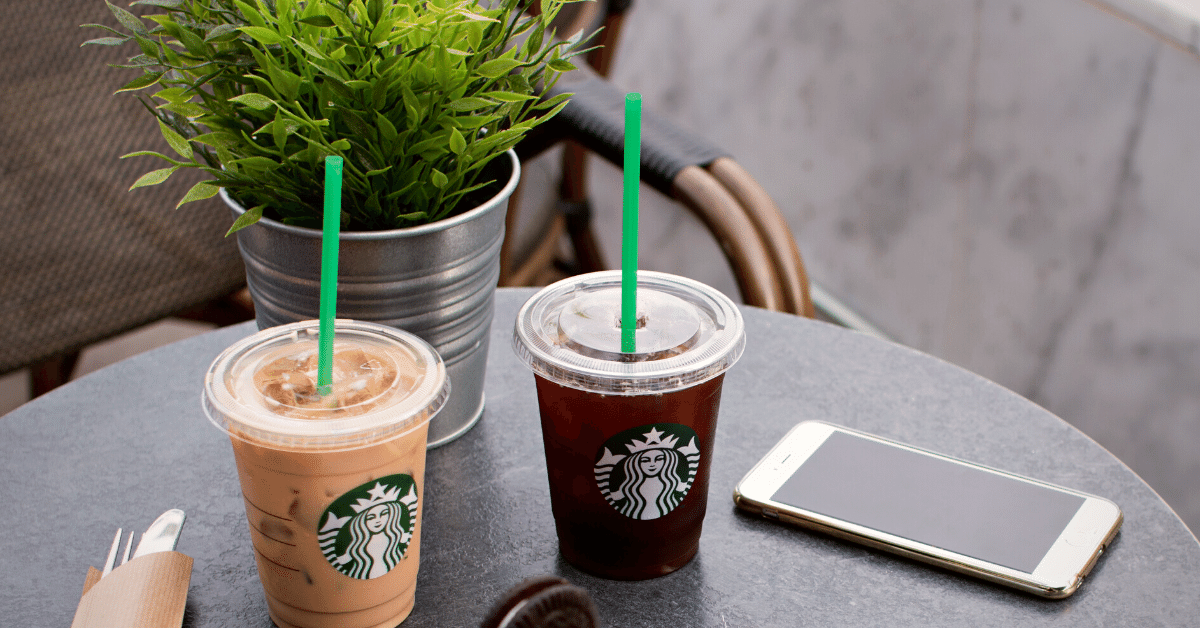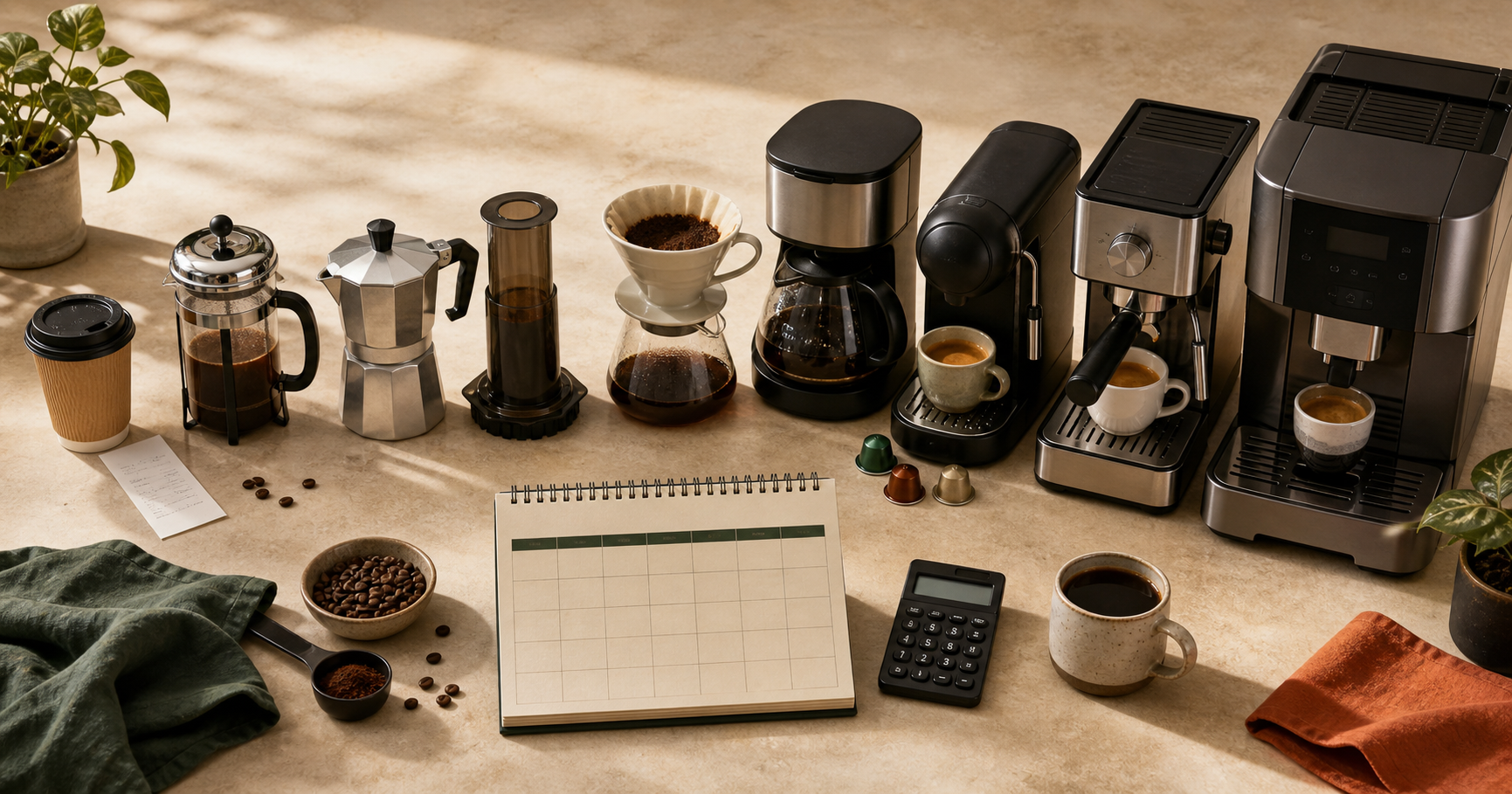
The gap between the cheapest and most expensive coffee habit can exceed $9,500 over five years. That is not a comparison between bargain coffee and a luxury vacation. It is the difference between making five weekly cups with a simple brewer and buying five $6.50 café drinks with a 20% tip.
The number sounds sensational because most coffee comparisons hide the passage of time. Seven or eight dollars does not feel consequential on a Tuesday morning. Repeated 260 times a year, it becomes a serious household expense.
Still, the headline depends on your routine. We built this comparison differently from the usual “coffee at home costs pennies” argument: every important assumption is visible, and you can replace our numbers with yours. Start with the calculator, then use the analysis below to understand what is driving the result.
Adjust your routine, then inspect every assumption. The comparison includes equipment, beans or pods, filters, milk and routine maintenance.
Inspect or change every method assumption
| Method | Setup | Grams/cup | Other/cup | Maintenance/year |
|---|---|---|---|---|
| Café coffee | ||||
| French press | ||||
| Moka pot | ||||
| AeroPress | ||||
| Pour-over | ||||
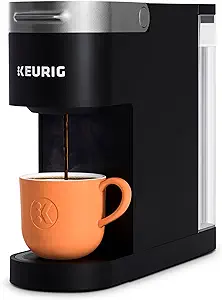
| Drip machine | ||||
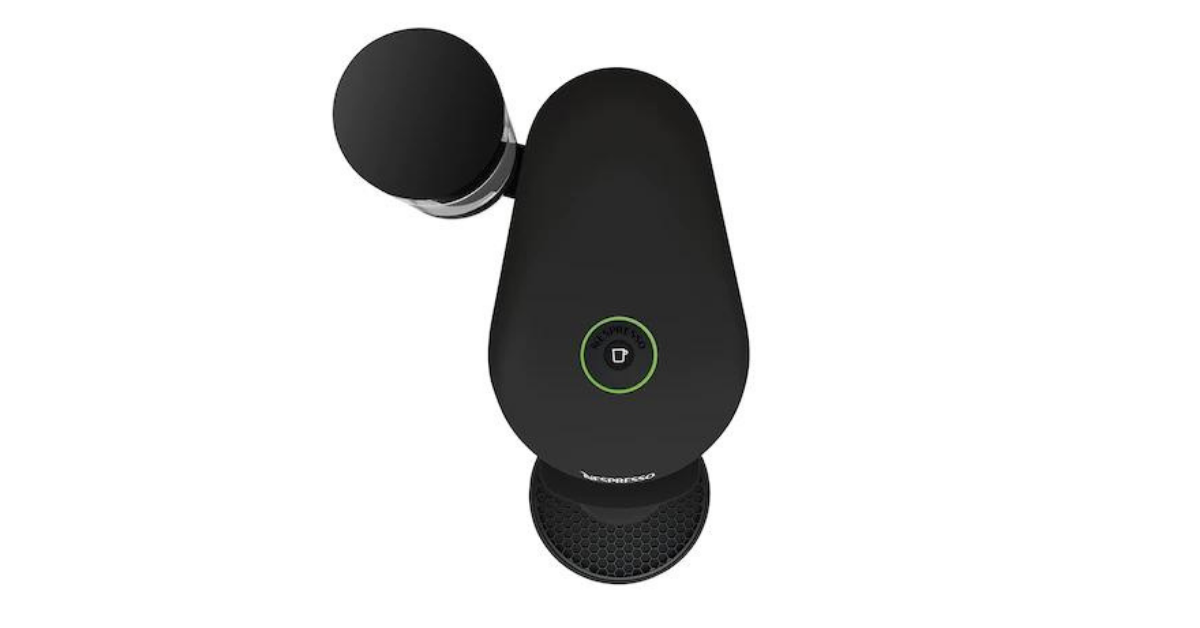
| Nespresso-style pods | ||||
| Home espresso | ||||
| Super-automatic |
The bean default is the June 2026 U.S. city average for ground roast coffee, rounded from $9.457 per pound. “Setup” includes a reasonable brewer and grinder where applicable; it is not a claim that every setup costs that amount.
The default result
Using the calculator’s starting assumptions, five drinks per week produce 1,300 drinks over five years. The estimated totals are:
| Method | Five-year total | Effective cost per drink |
|---|---|---|
| French press | $623 | $0.48 |
| Moka pot | $658 | $0.51 |
| AeroPress | $706 | $0.54 |
| Pour-over | $738 | $0.57 |
| Drip machine | $808 | $0.62 |
| Nespresso-style pods | $2,025 | $1.56 |
| Home espresso | $2,078 | $1.60 |
| Super-automatic machine | $2,678 | $2.06 |
| Café coffee with a 20% tip | $10,140 | $7.80 |
The headline result: French press costs about $623, while the café habit reaches $10,140. The estimated difference is $9,517.
These are scenarios, not universal price claims. Change the bean price from the national average to a $24-per-pound specialty coffee, remove the tip, increase the espresso machine’s repair allowance or enter equipment you already own. The ranking and totals update immediately. A useful model should show you when its conclusion changes—not simply defend its starting assumptions.
The three numbers that decide almost everything
1. How many café visits you genuinely replace
This is the most important variable. Buying an espresso machine does not create savings by itself. Savings appear only when a drink made at home takes the place of a drink you would otherwise purchase. If you keep visiting the café at the same rate, the machine is an additional expense.
2. Your recurring cost per drink
Brewers are purchased once; coffee is purchased hundreds or thousands of times. That is why inexpensive pod machines can finish near much more capable espresso setups after five years. A difference of only 75 cents per drink becomes $975 across 1,300 drinks.
3. Whether you already own the equipment
A grinder, kettle and scale make a new pour-over setup look relatively expensive. If those items are already in your kitchen, their purchase price should not be counted again. Set the equipment field to the amount you must spend from today forward, not the replacement value of everything on your counter.
How we calculated it
Every method uses the same basic formula:
setup cost + maintenance + (cost per drink × number of drinks)
The default comparison assumes:
- Five drinks per week for five years
- A café price of $6.50 before a 20% tip
- Ground coffee at $9.46 per pound
- An 18-gram dose for bean-based methods
- Reasonable full setup costs, including a grinder where it is useful
- $1.40 for a standard Nespresso Vertuo coffee capsule
- $0.30 of milk or similar add-ins for espresso-based home drinks
- Routine filters, cleaning products and maintenance allowances
The bean price is not invented for a favorable result. The U.S. Bureau of Labor Statistics reported an average of $9.457 per pound for ground roast coffee in June 2026. If you buy $18 twelve-ounce specialty bags, your equivalent price is $24 per pound; enter that number to see the difference.
The cheapest brewer is not necessarily the best value
French press finishes first in the default model because the brewer is inexpensive, needs no paper filters and has few parts to replace. But “lowest total” does not mean “best for everyone.”
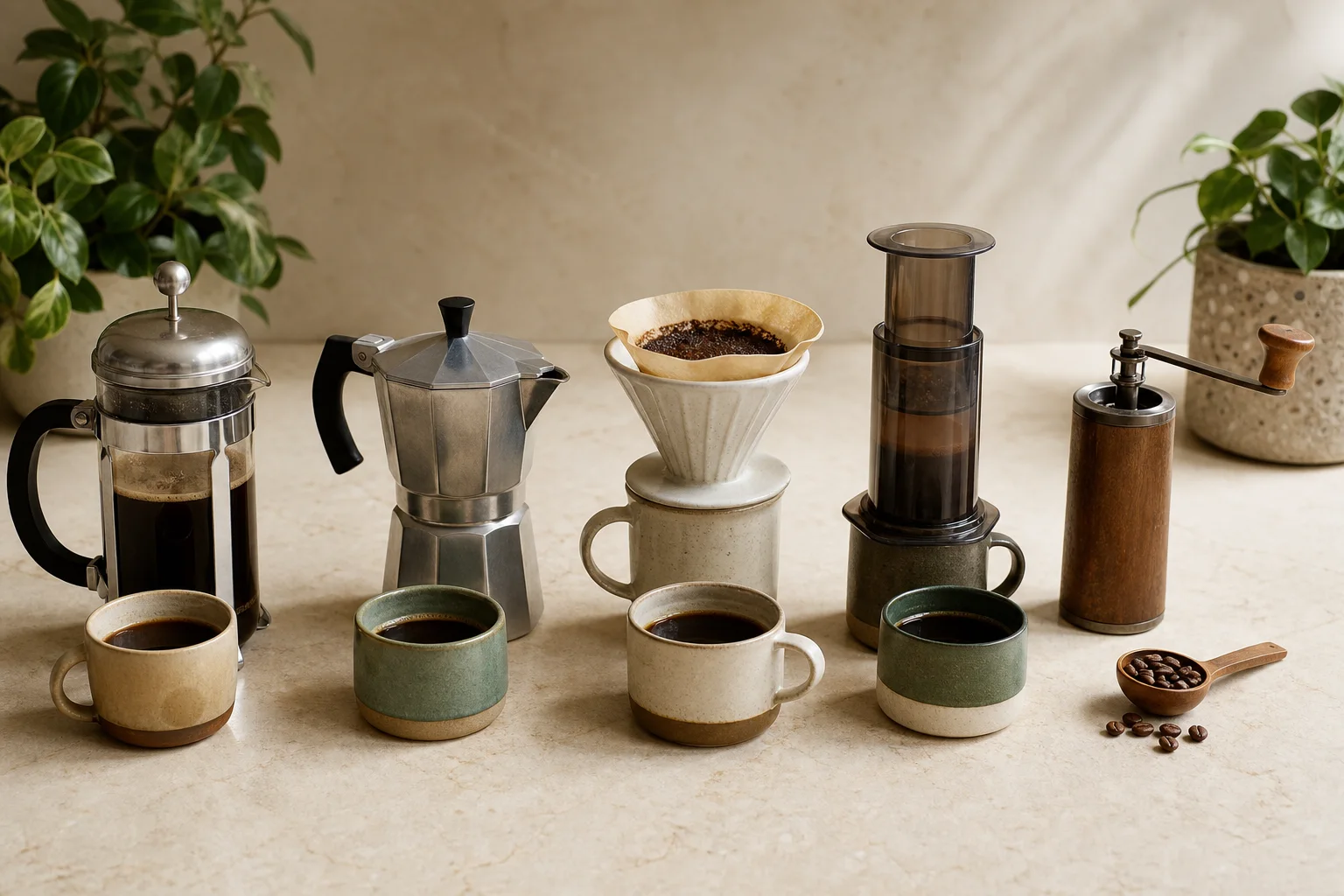
A pour-over setup offers more control and a cleaner cup. An AeroPress is quick, compact and forgiving. A Moka pot makes concentrated coffee without the equipment cost of espresso. A programmable drip machine trades a modestly higher cost for hands-off convenience.
The useful decision is not which method wins a spreadsheet. It is the least expensive method that you will still enjoy using after the novelty disappears. A $25 brewer abandoned in a cabinet is worse value than a $150 setup used every morning.
A practical way to choose
- Choose French press for body, simplicity and the lowest ongoing supply cost.
- Choose pour-over when clarity and control matter more than speed.
- Choose AeroPress for portability, fast cleanup and forgiving recipes.
- Choose a Moka pot for concentrated coffee that works well with milk.
- Choose drip when you regularly brew several cups or want a programmable morning routine.
Two Proven Starting Points
This section includes affiliate links. We may earn a commission at no extra cost to you.
A durable stovetop brewer for concentrated coffee without espresso-machine cost.
Check Current PriceAn all-in-one home espresso setup with a built-in grinder; use the calculator to estimate your own break-even point.
Check Current PriceWhy pods become expensive
Pod machines appear inexpensive at checkout. The machine in our default scenario costs only $130—less than the assumed drip setup. But the capsule is the cost center.
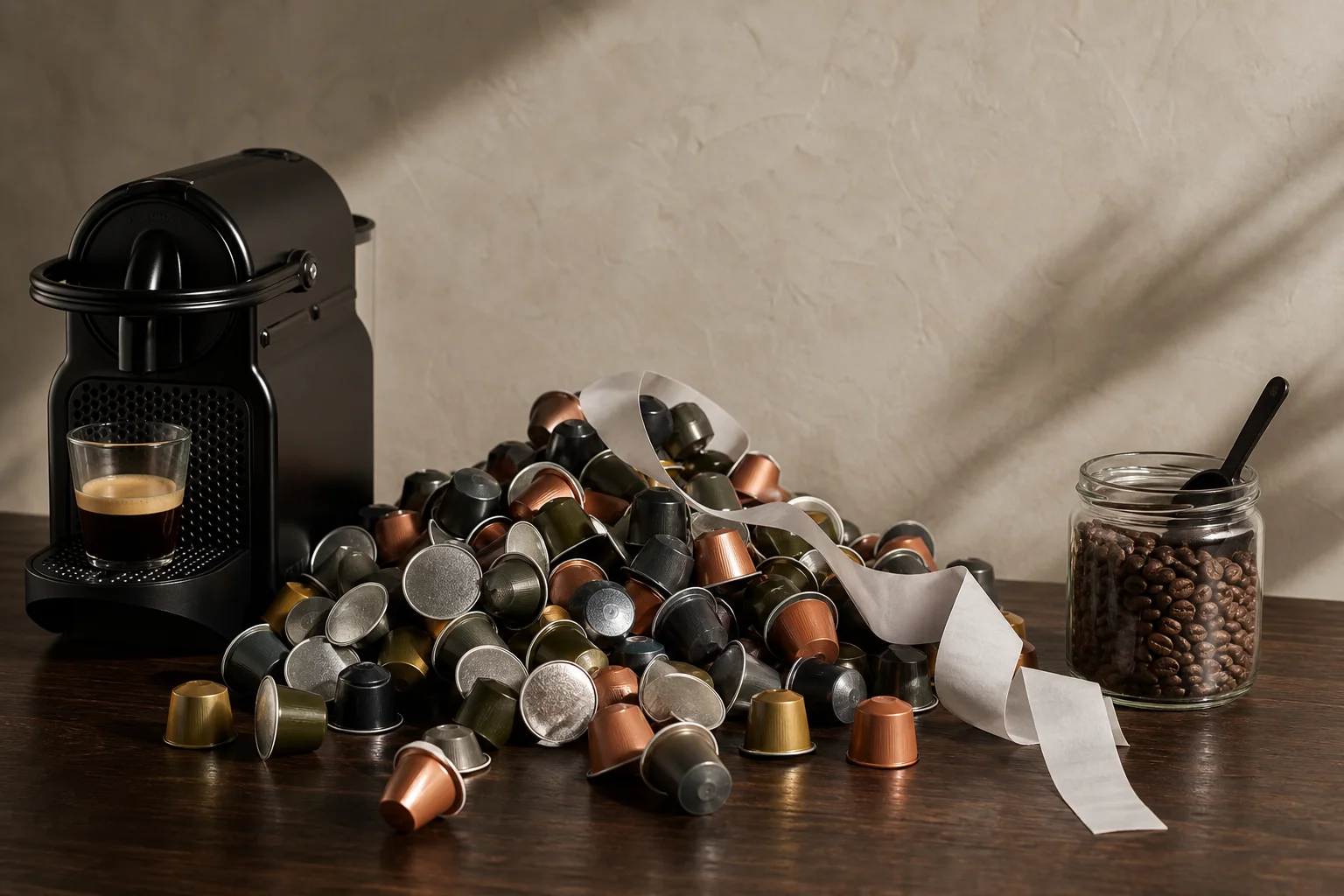
At $1.40 each, 1,300 capsules cost $1,820 before the machine and cleaning allowance. A subscription discount can lower that total, while premium and limited-edition capsules can raise it. Nespresso’s current U.S. catalog lists many standard Vertuo coffee capsules at $1.40 each, with other formats ranging above and below that price.
Pods can still be rational. They are fast, consistent and create little cleanup. Someone who otherwise buys café coffee may save substantially with capsules. Someone replacing inexpensive drip coffee probably will not. In other words, pods are not inherently “expensive”; they are expensive relative to beans and inexpensive relative to a barista-made drink.
There is also a useful convenience test: divide the pod premium by the minutes the machine saves you. If capsules cost roughly $1 more per drink than your preferred manual method and save four minutes, you are effectively paying about $15 per hour for that convenience. That may be a perfectly good trade on a rushed weekday—and an unnecessary one on a quiet Sunday.
When does an espresso machine pay for itself?
Against café drinks, surprisingly quickly—if the machine actually replaces those visits.
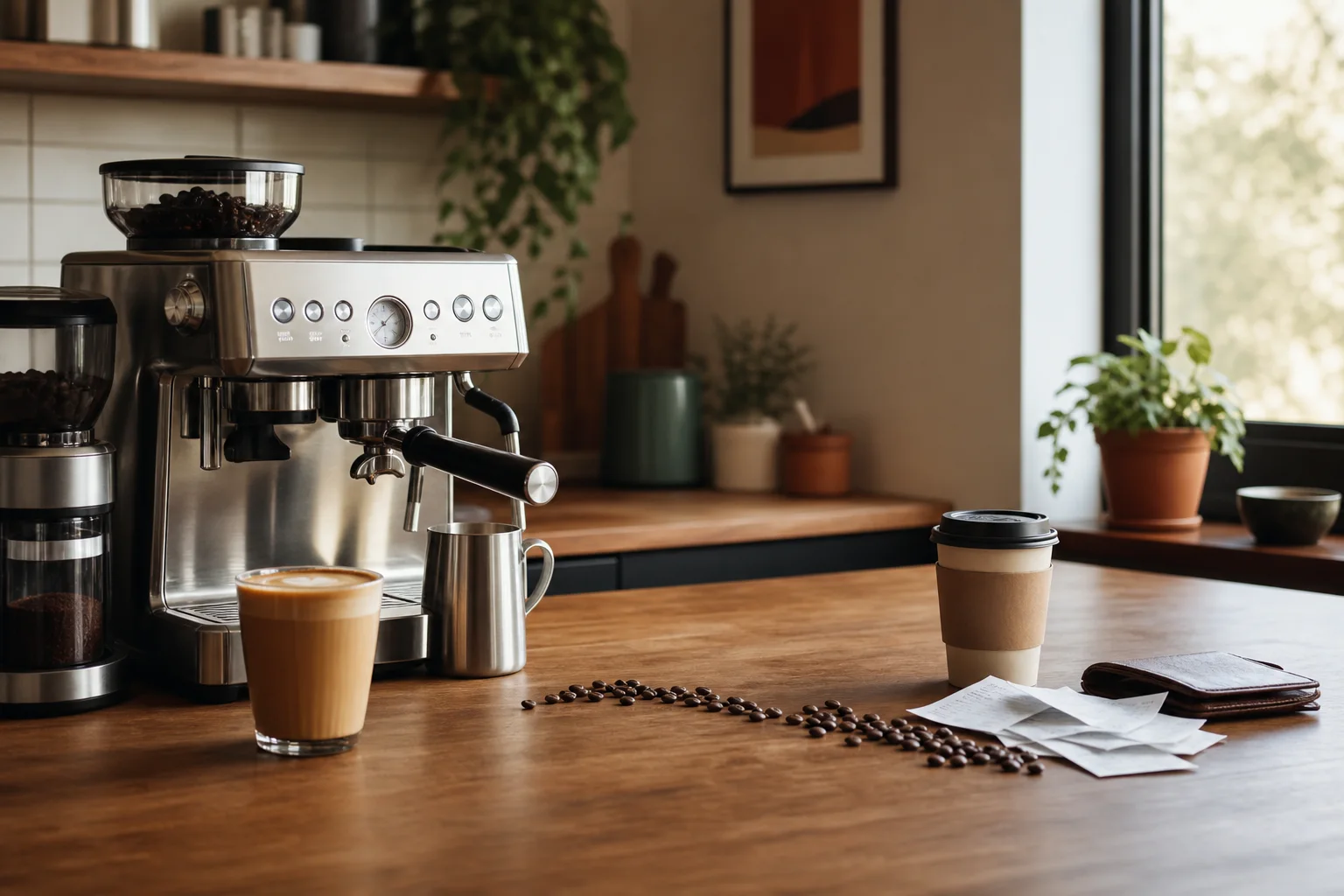
In the default scenario, the $800 home espresso setup has a variable cost of roughly $0.68 per drink before the maintenance allowance. The comparable café drink is $7.80 with tip. That gap can recover the initial setup cost after roughly 113 replaced café drinks, or about 23 weeks at five drinks per week.
That does not mean every machine saves money. The calculation fails when the new machine becomes an additional hobby purchase while café visits continue unchanged. Upgrades, accessories, wasted beans and repair costs can also move the break-even date considerably. The first few weeks of learning can be especially wasteful: dialing in a grinder may consume several imperfect shots, and switching beans requires adjustment.
If you are deciding what level of machine makes sense, compare the site’s guides to espresso machines under $200, machines under $500 and machines under $1,000. Then enter the actual setup total above instead of relying on our $800 example.
Use a conservative break-even number
If you currently buy five café drinks per week, do not automatically assume a machine will replace all five. Start with three. Social meetings, travel days and the pleasure of visiting a favorite shop rarely disappear completely. A conservative estimate is more useful than a dramatic payback date you will never achieve.
The result changes dramatically with frequency
Equipment costs are front-loaded. A person making one drink per week spreads a machine’s purchase price across only 260 drinks in five years. Someone making two drinks every day spreads it across 3,650.
That is why a super-automatic can look extravagant for an occasional coffee drinker and reasonable for a two-person household replacing daily café visits. It is also why a $40 brewer provides such durable value: there is little equipment cost to recover at any frequency.
Frequency also changes the importance of maintenance. A yearly cleaning allowance is a large share of the cost for an occasional user but barely visible when divided across several drinks a day. Conversely, heavy use may shorten the life of pumps, burrs and seals. If your household makes four or more drinks daily, increase the maintenance field rather than assuming light domestic use.
What a five-year total cannot tell you
Cost is only one part of a good buying decision. A method that fits your mornings can be worth more than the cheapest possible cup. Before purchasing equipment, ask four questions:
- How much attention does it require? Pour-over rewards technique; drip and super-automatic machines reward button pressing.
- How many people are you serving? AeroPress works beautifully for one cup, while a drip brewer is easier for a household.
- What do you actually drink? A Moka pot can make satisfying milk drinks, but it does not produce the same texture as true espresso.
- Will cleanup change your behavior? A theoretically superior machine provides no value when its cleaning routine makes you avoid using it.
These questions explain why our calculator does not label one method the universal winner. It calculates money; you supply the value of time, taste and convenience.
What the model deliberately excludes
No five-year estimate can predict every expense. We exclude:
- The monetary value of preparation and cleanup time
- Electricity and water, which vary by machine and location
- Café food that may accompany a drink
- Financing costs and equipment resale value
- Major unexpected repairs
- The social or workspace value of visiting a café
We also do not pretend all cups are equivalent. A French press, Vertuo coffee and properly dialed-in espresso are different experiences. This is a cost comparison, not a declaration that one method makes objectively better coffee.
Our honest conclusion
The sensational number is real under the stated assumptions: café coffee can exceed a simple home routine by more than $9,500 across five years.
But the more useful finding is subtler. Nearly every home method is inexpensive compared with habitual café purchasing. Once you are brewing at home, convenience, consistency and taste often matter more than the few cents separating a French press, Moka pot, AeroPress and pour-over.
Use the calculator with your real numbers. If you currently buy café coffee, compare only the visits a home setup would genuinely replace. That is the difference between a machine that pays for itself and an expensive new hobby that happens to make espresso.
Sources and price date
- U.S. Bureau of Labor Statistics average price series APU0000717311
- Nespresso USA Vertuo capsule catalog
- Nespresso USA Vertuo machine catalog
- AeroPress Original official product page
Prices and source data were checked July 27, 2026. Product prices change. Amazon links are affiliate links, and we may earn a commission at no additional cost to you.