Amazon Black Friday 2025 ground coffee deals are live, with premium brands like Peet’s, Death Wish, and Starbucks up to 30% off. But is pre-ground coffee worth buying, or should you stick with whole beans? I spent a month without my grinder testing pre-ground versus fresh-ground coffee to figure out what’s actually worth buying. Here’s my honest take on the best ground coffee deals and whether convenience beats quality.
Best Ground Coffee Deals – Quick Links
- Peet’s Breakfast Blend – $20.03 (20% off) [Buy Now]
- Peet’s Major Dickason’s Blend – $16.99 (15% off) [Buy Now]
- Amazon Fresh Colombia – $13.06 (budget pick) [Buy Now]
- Death Wish Coffee 2-Pack – $19.93 (30% off) [Buy Now]
- Death Wish Coffee Single Bag – $11.83 (28% off) [Buy Now]
- Black Rifle Freedom Fuel – $12.79 (20% off) [Buy Now]
- Lavazza Espresso Barista – $15.12 (30% off) [Buy Now]
Look, I know what you’re thinking. I just wrote an entire article about whole bean coffee. I tested eight different bags. I talked about freshness and flavor profiles and all that coffee-snob stuff. And now I’m going to tell you about ground coffee?
Yeah. Because here’s the truth nobody wants to admit: most mornings, grinding your own beans feels like a massive pain in the ass.
Three weeks ago, my grinder broke. Not “stopped working entirely” broken, but “making a horrible grinding noise and producing inconsistent grounds” broken. I ordered a replacement, but shipping delays meant I’d be without a grinder for almost a month. My options: buy overpriced pre-ground coffee at the grocery store every few days, or actually give pre-ground specialty coffee a real shot.
I chose option two. And I learned some things that surprised me.
The Experiment: One Month Without a Grinder
I set some ground rules (sorry, couldn’t resist):
- No buying pre-ground coffee from random grocery store shelves that’s been sitting there since June
- Only freshly ground coffee ordered from roasters or quality brands on Amazon
- Track which bags actually tasted good versus which ones were disappointing
- Pay attention to when the coffee started tasting stale
- Be honest about whether the convenience was worth the flavor trade-off
Spoiler alert: Pre-ground coffee can be really good. But there’s a catch. Actually, several catches.
What I Learned: The Good, The Bad, and The Stale
The Good News
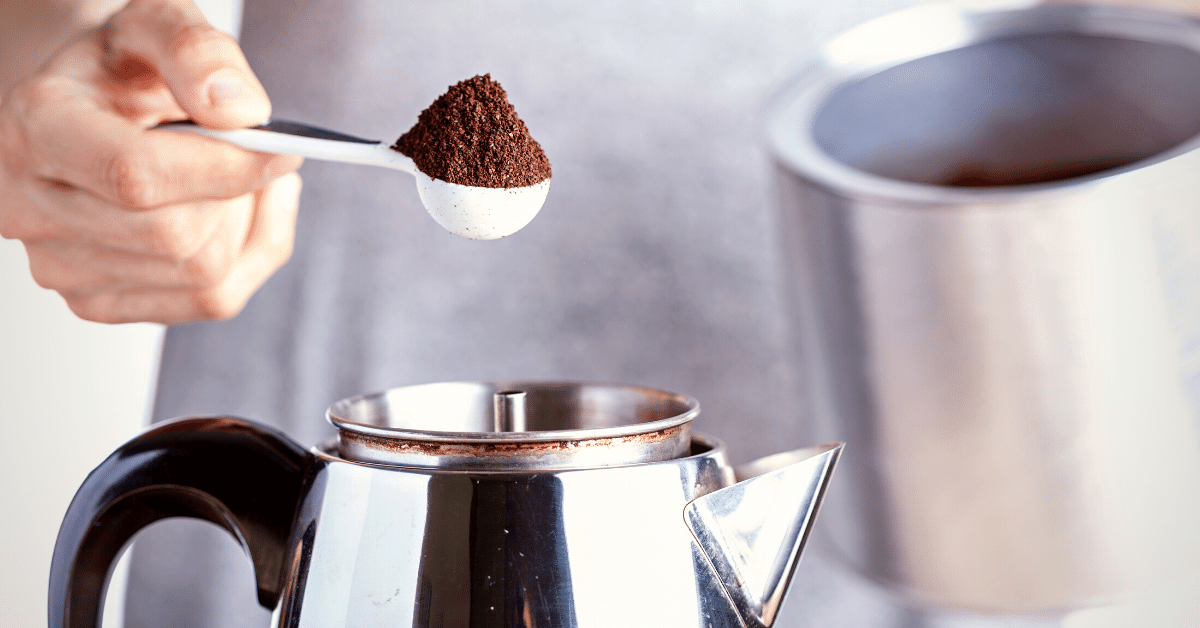
1. Mornings became dramatically easier. No grinding noise at 6 AM. No cleaning the grinder. No dealing with static cling covering my counter in coffee dust. I just scooped grounds into my coffee maker and pressed start. It was… nice? Like, genuinely nice.
2. Quality pre-ground coffee is better than I expected. When you buy from actual coffee roasters who grind-to-order, the difference between that and home-grinding fresh is surprisingly small. For about the first week, anyway.
3. Some brewing methods don’t care as much. Cold brew? Couldn’t tell the difference. French press? Minimal difference. Drip coffee? Slightly noticeable but honestly fine.
The Bad News
1. Freshness is a real issue. After about 10 days, every bag started tasting noticeably flat. Not bad, exactly. Just… less. Like coffee that lost its personality and became generic caffeine delivery.
2. You’re locked into one grind size. Want to make cold brew this weekend and pour-over on Monday? Too bad. You need different bags, different grind sizes. With whole beans, I could adjust. With pre-ground, I was stuck.
3. Most pre-ground options are dark roast. Apparently brands assume if you’re buying pre-ground, you want it DARK and STRONG. Finding good medium roast pre-ground coffee was surprisingly hard.
The Ground Coffee That Didn’t Suck
Here are the pre-ground coffees that actually held up during my month-long experiment:
Best Overall: Peet’s Breakfast Blend Medium Roast (28oz Ground)
This was my daily driver. The 28oz bag is massive, which worried me at first—how could I finish it before it went stale? But Peet’s vacuum-seals their bags really well, and once opened, it stayed fresh for about two weeks. Not as long as I’d like, but longer than most.
The coffee itself is exactly what you want from a breakfast blend: bright, clean, slightly sweet. Nothing fancy, but consistently good. I made it in my drip machine every morning and it never disappointed. The grind size worked perfectly for auto-drip—not too fine, not too coarse.
At $20.03 for 28oz (20% off), this works out to about $0.71 per ounce. For comparison, whole beans typically run $0.80-$1.20 per ounce. So you’re actually saving money while sacrificing some freshness. Fair trade.
View Peet’s Breakfast Blend on Amazon →
Best Dark Roast: Peet’s Major Dickason’s Blend (18oz Ground)
I tested this alongside the whole bean version from my previous experiment. Blind taste test, same brewing method, same water temperature. Could I tell the difference?
Yeah, but barely. The whole bean version had slightly more aromatics—you could smell the complexity. The pre-ground version tasted almost identical but with a slightly muted aroma. For someone who’s not hyper-analyzing every cup? They’d probably think they’re the same coffee.
Major Dickason’s is Peet’s signature dark roast, and it’s dark without being burned. Rich, full-bodied, with chocolate and spice notes. This is what I’d buy if I wanted dark roast pre-ground. The 18oz bag is a good size—small enough to finish before staleness sets in.
At $16.99 (15% off), it’s priced the same as the whole bean version. So if you don’t have a grinder, you’re not paying a penalty for pre-ground. Respect.
View Peet’s Major Dickason’s on Amazon →
Best Budget Option: Amazon Fresh Colombia Ground (32oz)
Okay, hear me out. I know Amazon house brands aren’t exciting. But this 2-pound bag for $13.06 is genuinely decent coffee for the price. That’s $0.41 per ounce—less than half the cost of specialty coffee.
Is it amazing? No. Is it better than Folgers? Absolutely. Amazon Fresh Colombia is smooth, mild, with a slight nutty flavor. Zero bitterness, no weird aftertaste. It’s coffee that tastes like coffee without trying to impress you.
Here’s when to buy this: when you need backup coffee for guests who don’t care about coffee quality. When your budget is tight but you refuse to drink garbage. When you’re making a huge batch for a brunch and fancy beans would be wasted.
I kept this bag in my cabinet the entire month as my “emergency coffee” and ended up using it more than I expected. It’s the Costco rotisserie chicken of coffee—cheap, reliable, no one will complain.
View Amazon Fresh Colombia on Amazon →
When You Want Bold: Death Wish Coffee Dark Roast (16oz, 2-Pack)
Death Wish is famous for being ridiculously high-caffeine. They market it as “the world’s strongest coffee,” which is aggressive marketing but… not entirely wrong. This coffee will wake you up.
During my month without a grinder, I bought the 2-pack of 16oz ground bags at $19.93 (30% off). That’s $0.62 per ounce for organic, fair trade, high-octane coffee. Not bad.
The flavor profile is bold—dark chocolate and black cherry notes, full-bodied, intense. It’s not subtle. It’s not delicate. It’s coffee that announces itself. If you like your coffee strong and don’t want to mess around, this is it.
The pre-ground version worked great in my drip maker and French press. The grind size is versatile enough for most brewing methods. And because it’s so bold, the slight staleness that sets in after 10 days was less noticeable than with lighter roasts.
Pro tip: The 2-pack is a much better deal than buying single bags. And if you’re worried about freshness, freeze the second bag until you’re ready to open it. Coffee freezes well if you do it right (airtight container, don’t let it warm up and re-freeze).
View Death Wish 2-Pack on Amazon →
Single Bag Option: Death Wish Coffee (16oz)
If you want to try Death Wish without committing to 2 pounds, the single 16oz bag is $11.83 (28% off). Same great coffee, smaller commitment. This is what I’d recommend if you’ve never tried Death Wish and want to see if the hype is real.
Spoiler: the hype is mostly real. It is noticeably stronger than regular coffee. You will feel very awake. Your heart rate might increase slightly. But it tastes good, which is the important part. Strong coffee that tastes bad is just bad coffee.
View Death Wish Single Bag on Amazon →
Premium Option: Black Rifle Coffee Freedom Fuel (12oz)
Black Rifle is a veteran-owned coffee company with aggressive marketing and polarizing branding. Politics aside, their coffee is legitimately good. I tried the Freedom Fuel dark roast at $12.79 (20% off) for 12oz.
This is premium pre-ground coffee. You can taste the quality—smooth, rich, with chocolate and caramel notes. Zero bitterness despite being a dark roast. The grind is consistent and works well in drip machines.
The 12oz bag size is perfect for pre-ground coffee. Small enough that you’ll finish it within the 10-day freshness window, but big enough that you’re not constantly buying more. If I’m buying pre-ground specialty coffee, I want smaller bags more often, not massive 2-pound bags that go stale.
At $1.07 per ounce, this is on the pricier side for pre-ground. But if you want quality without a grinder, it’s worth it. This is what I’d serve to guests who actually care about coffee.
View Black Rifle Freedom Fuel on Amazon →
For the Italian Coffee Lover: Lavazza Espresso Barista Gran Crema (2.2lb)
Okay, this is technically whole bean, but Lavazza also makes pre-ground versions, and during my experiment I bought some pre-ground Lavazza from a local store. It reminded me why Italian coffee companies dominate the pre-ground market—they’ve been doing it for over a century and they’re really good at it.
If you’re specifically looking for espresso grounds or moka pot coffee, Lavazza is the move. Their espresso blends are designed to work pre-ground because that’s how most Italians buy coffee. The Gran Crema at $15.12 for 2.2 pounds (30% off) is an insane deal—that’s $0.44 per ounce for premium Italian espresso beans.
The whole bean version is what I tested and loved. The flavor is nutty, slightly sweet, with perfect crema production. Even pre-ground, Lavazza holds up better than most brands because their roasting and packaging process is so dialed in.
View Lavazza Espresso Barista on Amazon →
The Honest Truth: Should You Buy Pre-Ground Coffee?
After a month without a grinder, here’s my take:
Buy pre-ground coffee if:
- You don’t own a grinder and don’t want to invest in one
- You value convenience over absolute peak freshness
- You drink coffee fast enough to finish a bag within 2 weeks
- You’re buying for a vacation rental, office, or guest coffee
- You primarily make drip coffee or French press (less sensitive to grind consistency)
- Your budget is tight and whole beans + grinder is too much upfront cost
Buy whole beans and grind fresh if:
- You’re a coffee enthusiast who can taste the difference
- You want flexibility to use different brewing methods
- You buy coffee in bulk and need it to stay fresh longer
- You make pour-over, espresso, or other methods that need precise grind size
- You already own a good grinder (obviously)
- You go through coffee slowly—a bag lasts you 3+ weeks
The Grind Size Problem (And Why It Matters)
Here’s what nobody tells you about pre-ground coffee: grind size is everything, and you’re stuck with whatever the roaster chose.
Most pre-ground coffee is ground for drip machines—medium grind, like coarse sand. This works for:
- Auto-drip coffee makers ✓
- Pour-over (barely) ✓
- Siphon brewers ✓
But it doesn’t work well for:
- Espresso (too coarse—weak shots) ✗
- Turkish coffee (WAY too coarse) ✗
- French press (slightly too fine—silty) ✗
- Cold brew (too fine—over-extraction) ✗
During my month without a grinder, I couldn’t make good espresso. I couldn’t make Turkish coffee at all. My French press was okay but not great. I was limited to drip coffee and pour-over, which was fine but felt restrictive.
If you only ever make one type of coffee? Pre-ground is fine. If you like variety? You need a grinder.
How to Make Pre-Ground Coffee Last Longer
Through trial and error, I figured out how to extend freshness:
1. Buy smaller bags. A 12oz bag you finish in 10 days beats a 2lb bag that goes stale after you’re halfway through. Do the math—smaller bags more often is cheaper than wasting half a big bag.
2. Transfer to an airtight container immediately. Those bags from the store? Not airtight once opened. Get an OXO container or use mason jars. Minimize air exposure.
3. Keep it cool and dark. Not the fridge (moisture is bad), but a cabinet away from the stove. Heat is the enemy of coffee freshness.
4. Don’t freeze opened bags. Freezing whole beans works. Freezing already-ground coffee creates condensation issues and flavor loss. If you must freeze, do it unopened, and let it come to room temp before opening.
5. Buy from places with high turnover. Amazon, specialty coffee retailers, busy stores. Avoid buying coffee from that random grocery store where bags sit on shelves for months.
What Changed When My Grinder Arrived
My replacement grinder finally arrived at the end of week three. I immediately bought fresh whole beans and ground a morning cup. And yeah—I could taste the difference. The aroma was stronger. The flavor was brighter. It was noticeably better than even the best pre-ground coffee I’d been drinking.
But here’s the thing: on a random Tuesday morning when I was running late? The pre-ground coffee was fine. More than fine—it was convenient and good enough. The whole bean coffee was better, but it required more effort, more time, more cleanup.
So now I do both. Whole beans for weekend mornings when I have time to appreciate good coffee. Pre-ground Peet’s Breakfast Blend in my cabinet for weekday mornings when I just need caffeine and want to get to work.
My Final Verdict
Pre-ground coffee isn’t the enemy. Bad coffee is the enemy. Stale coffee is the enemy. Mediocre beans ground to hide their flaws is the enemy.
Good coffee, freshly ground by a quality roaster and vacuum-sealed? That’s absolutely fine for most people. Is it as good as grinding fresh whole beans? No. Is it good enough that you shouldn’t feel bad about buying it? Absolutely yes.
The coffee snob community wants you to believe that pre-ground coffee is sacrilege. That unless you’re grinding fresh beans with a $300 grinder, you’re not a real coffee person. That’s gatekeeping nonsense.
Drink what tastes good to you. If pre-ground Peet’s Breakfast Blend makes you happy every morning, then it’s good coffee. If you want to grind fresh because you enjoy the ritual and can taste the difference, do that. Both choices are valid.
But if someone tells you that your pre-ground coffee makes you a “fake coffee person,” tell them to get over themselves and hand you that bag of Death Wish. Life’s too short for coffee snobbery.
This article contains affiliate links. We may earn a commission when you purchase through these links, at no additional cost to you. All opinions are based on actual testing during my month-long grinder-free experiment.