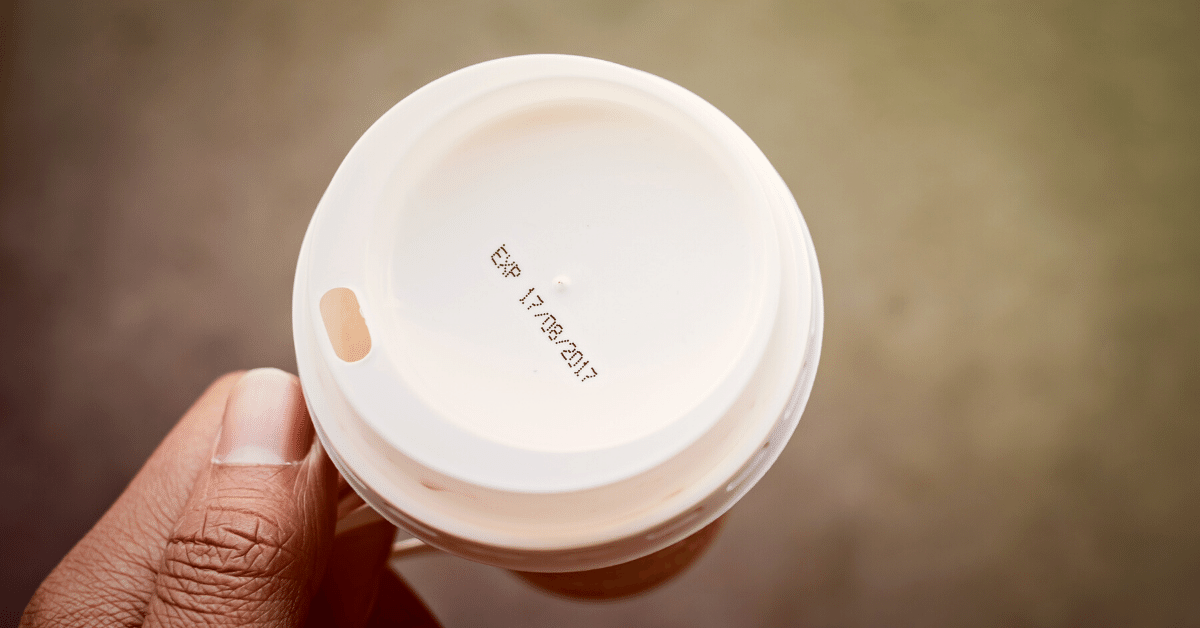
Dry coffee can often be used after its “best by” date if it stayed dry, the package is intact and there are no signs of spoilage. The date usually marks expected quality, not an automatic safety cutoff. Old beans or grounds are more likely to taste flat than to become dangerous.
Do not use coffee that is damp, moldy, pest-contaminated, smells abnormally musty or rancid, or came from damaged packaging. Brewed coffee with milk or creamer is perishable and follows a different rule.
Does Coffee Expire?
Coffee loses freshness over time as oxygen, heat, light and moisture affect its aroma and flavor compounds. That quality decline is different from food becoming unsafe.
The FDA says most packaged-food date labels are not federally required and commonly tell consumers when a product should retain its best flavor and quality. USDA guidance similarly says “Best if Used By” is a quality date, not a safety date. Storage conditions and signs of spoilage matter more than the calendar alone.
Can You Drink Expired Coffee? Quick Decision Guide
| Coffee type | Past the printed date? | What to check |
|---|---|---|
| Unopened whole beans or grounds | Often usable if properly stored | Package integrity, moisture, mold, pests and abnormal odor |
| Opened whole beans or grounds | May be usable but likely stale | Dry storage, aroma, mold, clumping and contamination |
| Instant coffee | May remain usable if dry and sealed | Follow the manufacturer; discard if damp, moldy or oddly clumped |
| Black brewed coffee | A printed bean date no longer answers this | How long it sat out, cleanliness and refrigerated storage |
| Brewed coffee with milk or creamer | Treat as perishable | Refrigerate within 2 hours—or 1 hour above 90°F |
When in doubt, throw it out. No cup of coffee is worth gambling on visible mold, damaged packaging or unknown storage.
What Happens if You Drink Expired Coffee?
If dry coffee is merely past a quality date and shows no spoilage, the likely result is disappointing flavor: less aroma, a flatter cup and more noticeable stale or papery notes. The date itself does not make coffee toxic.
The answer changes if moisture or contamination entered the package. Mold, pests, floodwater, chemical exposure or a torn and dirty package are reasons to discard the product without tasting it. Brewing is not a reliable way to “rescue” visibly spoiled coffee.
If you drank questionable coffee and develop significant or persistent symptoms, contact a medical professional or local poison-control service. This article cannot diagnose foodborne illness.
Best By vs. Expiration Date
- Best if used by/before: generally indicates peak flavor or quality.
- Sell by: primarily helps a retailer manage inventory.
- Use by: commonly indicates the maker’s recommended period for peak quality; federal terminology is not uniform for most foods.
- Roast date: tells you when the coffee was roasted and is useful for judging freshness, not safety.
FDA and USDA currently encourage “Best if Used By” wording for quality-based dates. The agencies also advise consumers to evaluate food for spoilage and follow storage directions on the package.
How to Tell if Coffee Has Gone Bad
- Visible mold: discard the entire package.
- Moisture or unexpected clumping: discard it when water may have entered.
- Musty, rotten or sharply rancid odor: do not brew it.
- Insects, webbing or droppings: discard and inspect nearby pantry goods.
- Torn, swollen, leaking or contaminated packaging: do not use it.
- Weak aroma only: this usually signals staleness rather than proving a safety problem.
Bean shininess and color are unreliable safety tests. Dark roasts can naturally look oily, and dry-looking coffee is not necessarily spoiled. Focus on moisture, mold, contamination and abnormal odors.
How Long Does Coffee Last?
There is no responsible universal number for every coffee. Whole beans, grounds, instant coffee, vacuum-sealed packages and flavored products use different packaging and manufacturer tests. The printed date and storage directions on your specific package are better guides than a generic internet chart.
For flavor, opened ground coffee declines faster than whole beans because much more surface area is exposed to air. Buy an amount you can use while it still smells lively, and grind whole beans shortly before brewing when practical. For a deeper quality guide, see how long coffee beans stay fresh.
What About Brewed Coffee?
Freshly brewed black coffee loses desirable flavor quickly, but a bag’s best-by date does not determine the safety of the finished drink. Use clean equipment, avoid leaving the carafe uncovered, and refrigerate promptly if you intend to save it.
If the drink contains dairy milk, refrigerated liquid creamer or another perishable ingredient, follow the FDA two-hour rule: refrigerate within two hours, or within one hour when the temperature is above 90°F (32°C). Keep the refrigerator at or below 40°F (4°C). When storage history is uncertain, discard it.
See our separate guide to how long brewed coffee can sit out for drink-specific handling.
How to Store Coffee Safely and Preserve Flavor
- Keep beans or grounds in a clean, dry, food-safe container with a tight seal.
- Store them in a cool, dark cupboard away from the stove, sink and direct sun.
- Use a dry scoop; never introduce water into the container.
- Keep the original label or record the product and lot information in case of a recall.
- Follow any refrigeration or storage directions printed by the manufacturer.
Opening a container repeatedly introduces air and humidity. Dividing a large supply into smaller sealed portions can reduce exposure, but only freeze coffee when the package protects it from condensation and odors.
Expired Coffee FAQ
Do coffee grounds expire?
They become stale, and they can spoil if moisture or contamination is introduced. A passed best-by date alone does not prove they are unsafe; inspect the product and follow its package directions.
Can you drink coffee one year after its date?
There is no blanket yes-or-no answer. An intact, properly stored shelf-stable package may simply have poor flavor, while an opened, damp or damaged package should be discarded. Ask the manufacturer when the storage history or label meaning is unclear.
Can expired coffee make you sick?
A quality date itself does not cause illness. Contamination, mold, unsafe add-ins or improper handling can. Discard coffee with signs of spoilage and treat milk-containing drinks as perishable.
Bottom Line
Dry coffee past a best-by date is often a quality problem rather than an automatic safety problem. Use it only when it stayed dry, its packaging is sound and it shows no spoilage. Discard moldy, damp, contaminated or abnormal-smelling coffee, and apply normal refrigeration rules to brewed drinks containing milk or creamer.
Sources: FDA food date-label guidance, USDA food product dating guidance, and FDA safe-storage guidance.