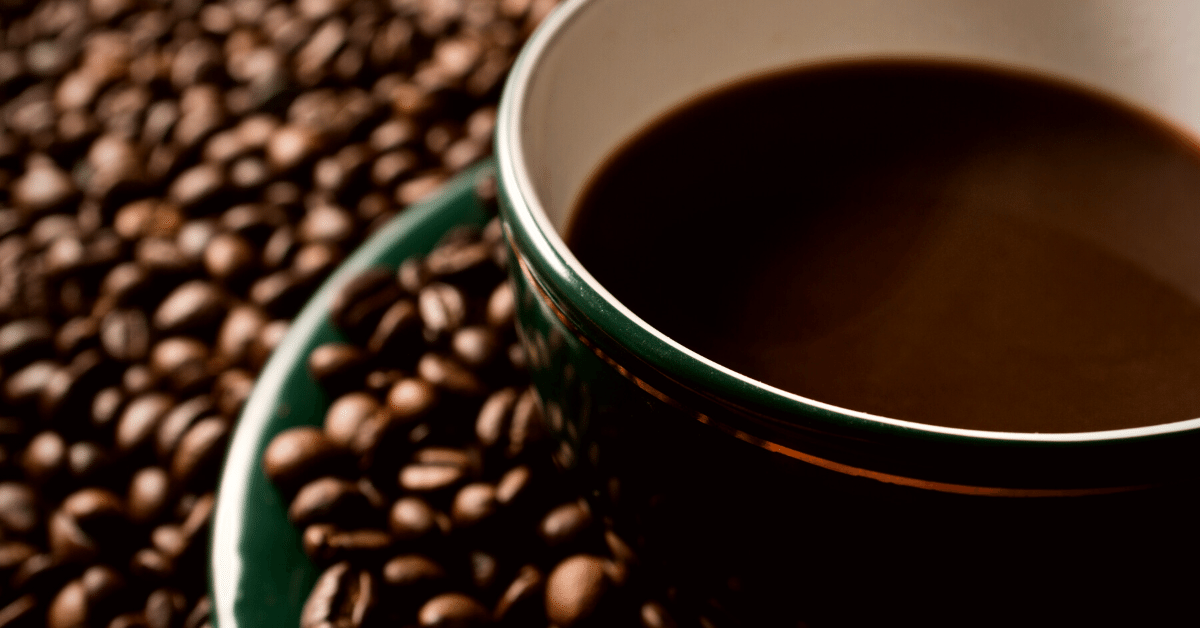
Volcanica Low Acid Coffee is our best overall low-acid coffee pick for 2026. The company publishes a brewed-coffee pH of 5.3 for this medium-roast blend and offers whole-bean plus multiple grind options. That gives shoppers more useful information than a vague “smooth” or “stomach-friendly” label.
Shop the top low-acid coffee picks
Best overall: see Volcanica Low Acid Coffee on Amazon.
Best organic option: see Lucy Jo’s Mellow Belly on Amazon.
Best processed medium roast: see trücup Medium Roast on Amazon.
Important: a low-acid label does not prove that a coffee will prevent heartburn, treat GERD, or agree with your stomach. Coffee and caffeine can trigger symptoms for some people for reasons that are not captured by pH alone. Treat these products as options to compare, not medical treatment.
Best low-acid coffee: quick comparison
| Coffee | Roast or format | Published pH claim | Best for |
|---|---|---|---|
| Volcanica Low Acid Coffee | Medium blend | 5.3 | Best overall |
| Volcanica Low Acid Dark Roast | Dark blend | 5.4 | Dark-roast drinkers |
| Lucy Jo’s Mellow Belly | Organic blend | About 5.6 | Organic whole bean or ground |
| trücup Medium Roast | Processed medium roast | 5.74 | Multiple roast choices |
| Puroast Coffeehouse Blend | Medium roast | 5.82 | Higher published pH claim |
| Lucy Jo’s Mellow Belly Decaf | Water-process decaf | About 5.3 | Reducing caffeine |
Claim note: These pH numbers come from the brands’ current websites. We did not independently test the bags or reproduce the brewing conditions, and pH changes with coffee-to-water ratio, water chemistry, temperature, extraction, and batch. Use the figures to compare the transparency of the claims—not as a guarantee about symptoms.
1. Volcanica Low Acid Coffee: best overall
Volcanica Low Acid Coffee is a medium-roast blend using Arabica coffees from Brazil, Sumatra, and other lower-altitude origins. The brand publishes a pH of 5.3 and describes chocolate, nut, tangerine, and orange notes. It is sold in whole-bean and several grind formats.
It earns the top position because the current product page names the origins, roast, processing, certification, and pH instead of relying only on wellness language. The pH is still a manufacturer result, so your brewed cup may differ.
2. Volcanica Low Acid Dark Roast: best dark roast
Volcanica Low Acid Dark Roast is the bolder companion, with a brand-published pH of 5.4 and caramel, dark-chocolate, and smoky tasting notes. It is a washed Arabica blend and is currently listed in whole-bean and ground options.
Choose it because you prefer dark-roast flavor—not because all dark roasts are automatically safe for reflux. Roast level changes flavor chemistry, but symptoms vary and coffee can still be a trigger.
3. Lucy Jo’s Mellow Belly: best organic option
Lucy Jo’s Mellow Belly comes from a small certified-organic roaster offering several whole-bean and ground low-acid coffees. The company lists Mellow Belly at approximately pH 5.6 and explains that water chemistry affects the final measurement.
This is a useful choice when organic certification and format variety matter. Lucy Jo’s also publishes approximate pH figures for several other coffees, including Sumatra and French roast, making comparison easier. Availability can include backorders, so check the current product status.
4. trücup Medium Roast: best roast range
trücup markets coffee processed to reduce acid and publishes a pH result of 5.74 for its line. Current choices include light, medium, bold, French roast, espresso, half-caff, and pod formats.
The broad range is the advantage: you can choose the flavor and caffeine format you want instead of treating “low acid” as one roast profile. The company’s “up to 60% less acid” statement is its marketing claim and depends on the comparison coffee and test conditions.
5. Puroast Coffeehouse Blend: highest published pH here
Puroast Coffeehouse Blend is a medium roast for shoppers who prioritize a published pH claim. The brand reports pH 5.82 and says university testing supports the result. We have not independently reviewed the complete protocol, comparison samples, or batch data, so we would not translate that number into a symptom guarantee.
Choose it for a smooth medium-roast style and transparent numerical claim. Skip any brand’s medical promise if it goes beyond what the available testing actually establishes.
6. Lucy Jo’s Mellow Belly Decaf: best decaf option
Lucy Jo’s Mellow Belly Decaf is an organic, water-process decaf with a company-listed pH of about 5.3. A decaf option can help you test whether caffeine—rather than beverage pH alone—is part of your personal trigger pattern.
Decaf is not caffeine-free, and it is not guaranteed to prevent symptoms. For more buying options, see our updated decaf coffee guide.
What “low acid coffee” actually means
The phrase is not one standardized federal coffee category. Brands may use it for a measured higher pH, lower titratable acidity, a darker roast, a naturally less bright flavor, a post-processing method, or simply a smoother sensory profile. Those are related ideas, but they are not interchangeable.
pH measures acid strength
The pH scale is logarithmic: a higher number below 7 is less acidic than a lower number. But a coffee’s pH depends on the exact beans, water, ratio, grind, temperature, and extraction. A bag label without a brewing protocol is incomplete evidence.
Titratable acidity measures something different
Titratable acidity estimates the total acid-neutralizing capacity of a beverage. Two coffees can have similar pH values but different total acid composition. A simple “times less acidic” claim may hide which measurement was used.
Flavor acidity is sensory
When coffee professionals call a cup bright, crisp, citrusy, or lively, they are describing flavor. That does not directly diagnose how the drink will affect your digestive system. Our coffee roast guide explains how roast character and origin flavor differ.
Can low-acid coffee help with reflux?
Maybe for an individual, but the label cannot answer that by itself. The National Institute of Diabetes and Digestive and Kidney Diseases lists coffee and other caffeine sources among commonly reported GERD triggers, while emphasizing that triggers differ between people. A higher-pH coffee can still contain caffeine and other compounds that may matter to you.
If coffee appears to trigger symptoms, keep the rest of the experiment simple: try a smaller serving, compare decaf with regular, avoid adding high-fat cream or chocolate if those are triggers, and record what happens. Discuss persistent, frequent, severe, or changing symptoms with a healthcare professional. Low-acid coffee is not a substitute for diagnosis or treatment.
For authoritative guidance, see the NIDDK guidance on diet and GERD.
How to choose low-acidity coffee beans
- Prefer a number plus a method. A published pH with brewing conditions is more useful than “gentle” alone.
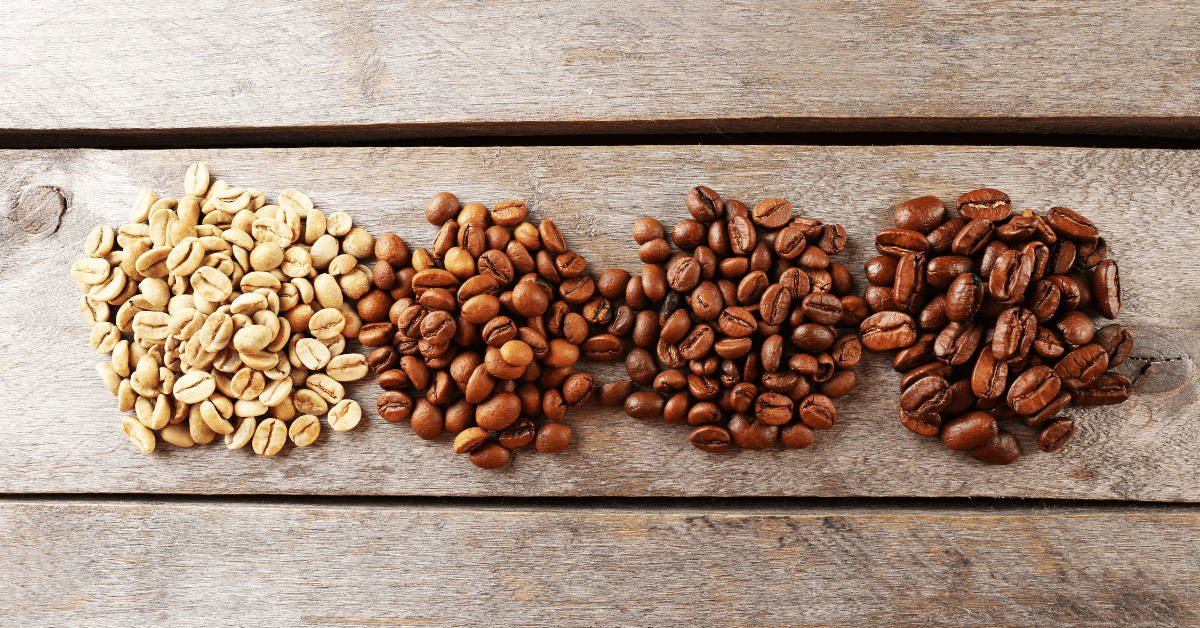
- Choose by flavor too. Dark roast, medium roast, single origin, and processed low-acid coffees do not taste the same.
- Consider caffeine separately. Low acid does not mean low caffeine. Decaf can help isolate that variable.
- Buy a small bag first. Personal tolerance is more important than a long subscription discount.
- Keep brewing consistent. Use the same water, ratio, and serving size when comparing bags.
Low-acid coffee FAQ
What coffee has the lowest acidity?
Among the current manufacturer numbers in this guide, Puroast publishes the highest pH at 5.82, followed by trücup at 5.74 and Lucy Jo’s Mellow Belly at about 5.6. These were not tested under one shared protocol, so they are not a controlled head-to-head ranking.
Is dark roast always lower in acid?
No useful shopping rule is absolute. Roast changes acid composition and flavor, but bean origin, processing, brewing, and the measurement used also matter. Look for product-specific data.
Is cold brew low acid?
Cold extraction changes which compounds move into the drink and often tastes smoother, but recipes and measurements vary. Do not assume every cold brew has a particular pH or will prevent reflux symptoms.
Does low-acid coffee have less caffeine?
No. Acidity and caffeine are separate. Choose decaf or half-caff when caffeine reduction is the goal, and remember that decaf still contains a small amount.
The bottom line
Volcanica Low Acid Coffee is the best starting point because its current page provides a specific pH, origins, processing, roast, and grind choices. Buy a small amount, compare it consistently with your usual coffee, and judge both flavor and your own response. If coffee repeatedly causes reflux or stomach symptoms, seek medical guidance instead of relying on a bag claim.